1. Introduction
The term 'dietary fiber' refers to a diverse group of organic compounds found in edible plants. Dietary fiber is a vital part of a balanced diet and provides numerous health benefits. Dietary fiber is part of food that is not affected by the digestive process in the body. Only a small amount of fiber is metabolized in the stomach and intestine. The rest is passed through the gastrointestinal tract and makes up a part of the stool. Fiber is very important to a healthy diet and can be helpful aid in weight management. A WHO-approved guideline to nutrition labelling, defines dietary fiber as 'carbohydrate polymers with ten or more monomeric units, which are not hydrolyzed by the endogenous enzymes in the small intestine of humans. Indigestibility by endogenous human enzymes is a core property of dietary fibers. Research confirmed that dietary fiber promotes weight control and maintains healthy levels of metabolic markers in humans. Formulators face challenges balancing efficacy with gastrointestinal comfort, especially at higher fiber dosages (≥20g/day). Dietary fibers play an essential role in human health by supporting gut function, modulating blood glucose, and promoting satiety.
However, achieving the right balance of fibers is important. Consuming too little fiber can slow digestion, disturb the gut microbiome, and increase the risk of chronic diseases. On the other hand, excessive fiber intake, especially above 20 g/day without proper hydration, may lead to bloating, discomfort, and reduced nutrient absorption. Because of this, health professionals must carefully consider both efficacy and gastrointestinal tolerance when recommending or incorporating dietary fibers.
2. Types of Dietary Fibers
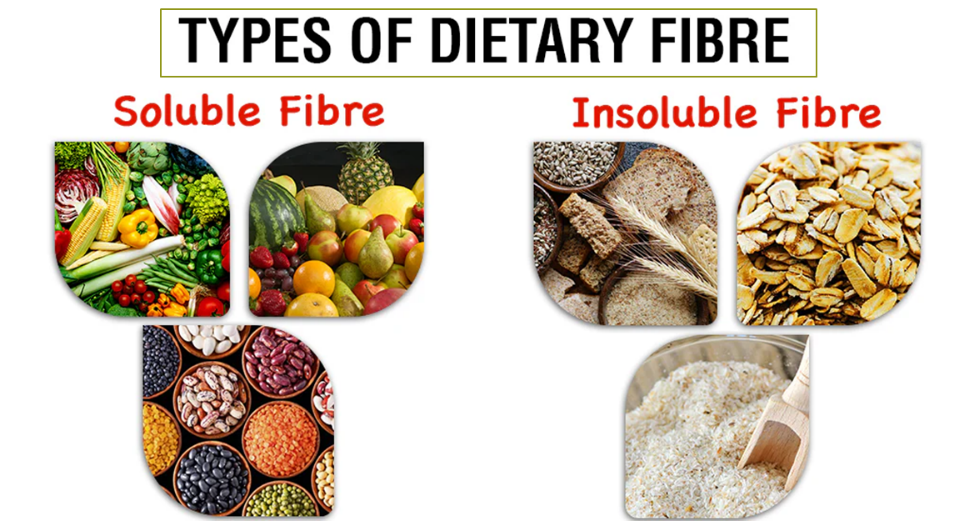
2.1 Insoluble Fiber - "The Tough Stuff"
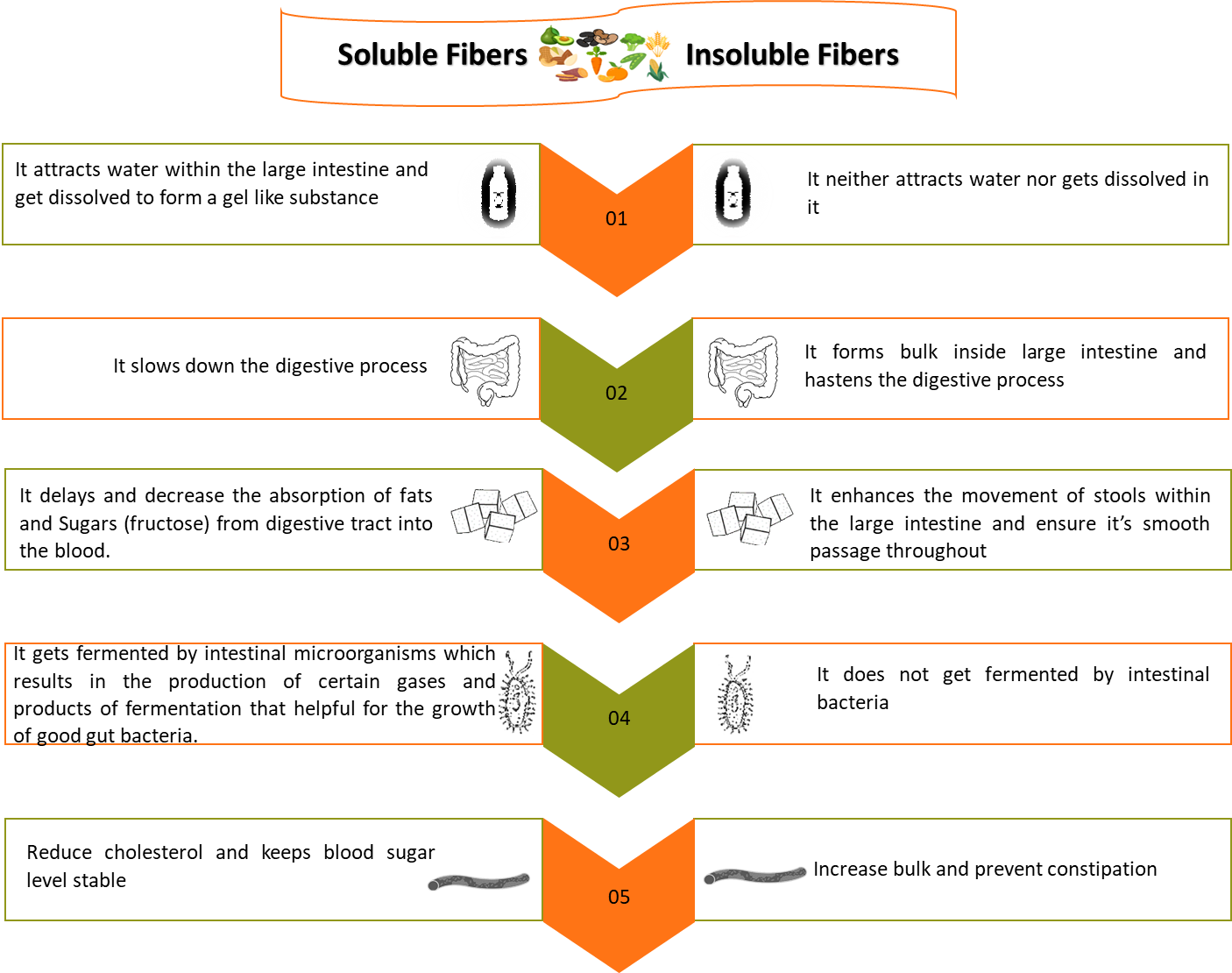
Insoluble fiber is affectionately called "roughage", is called insoluble because it does not dissolve in water. It adds bulk to stool and helps move material through the digestive system, making it helpful for people who have constipation or do not regularly pass stool. It is the stuff that gives tree bark, nutshells and twigs their woody texture. Foods that are in high in insoluble fiber included include grains, seeds, nuts, vegetables and certain fruits. Insoluble fibers are pass through our digestive system largely untouched because even bacteria can't easily digest them. We know that insoluble fiber is good for us because it adds bulky to the contents of our intestines, helping to push things along. We need them to sweep our innards clean of potential toxins.
2.2 Soluble Fiber - "The Swell Gel"
The biggest difference between soluble fiber and insoluble fiber is what their name imply: soluble fiber can partially dissolve in water. Mostly laxatives are made with soluble fiber. Soluble fiber partially dissolves in water and forming the gel like structure. You can see this happen when you stir a soluble fiber supplement into a glass of water. The ability of soluble fiber to hold water and allows fruits and soft vegetable parts to retain water and maintain their firm shape. It supports the movement of material through the digestive system and adds bulk to stool. During digestion, soluble fiber attracts water and forms a gel, which slows digestion.
3. Health Benefits and Mechanisms
3.1 Soluble Fiber: The Gut's Friendly Helper
Fiber that readily dissolves in water is referred to as soluble fiber. It creates a gel-like substance in the gut that aids in slowing down digestion. This creates an environment where good gut bacteria can grow. Prebiotics are types of soluble fiber that act as food for these helpful bacteria.
Soluble fibers undergo fermentation in the colon and producing short chain fatty acids (SCFAs) such as butyrate, acetate, and propionate. These SCFAs nourishes the colonocytes, strengthen the gut barrier, and help modulate systemic inflammation.
Benefits:
- Nourishes beneficial gut microbes (prebiotic effect): Soluble fiber acts as "good" bacteria in your gut like Lactobacillus and Bifidobacterium. These bacteria help maintain a healthy gut microbiome in which supports digestion, boosts immunity, and protects against harmful microbes.
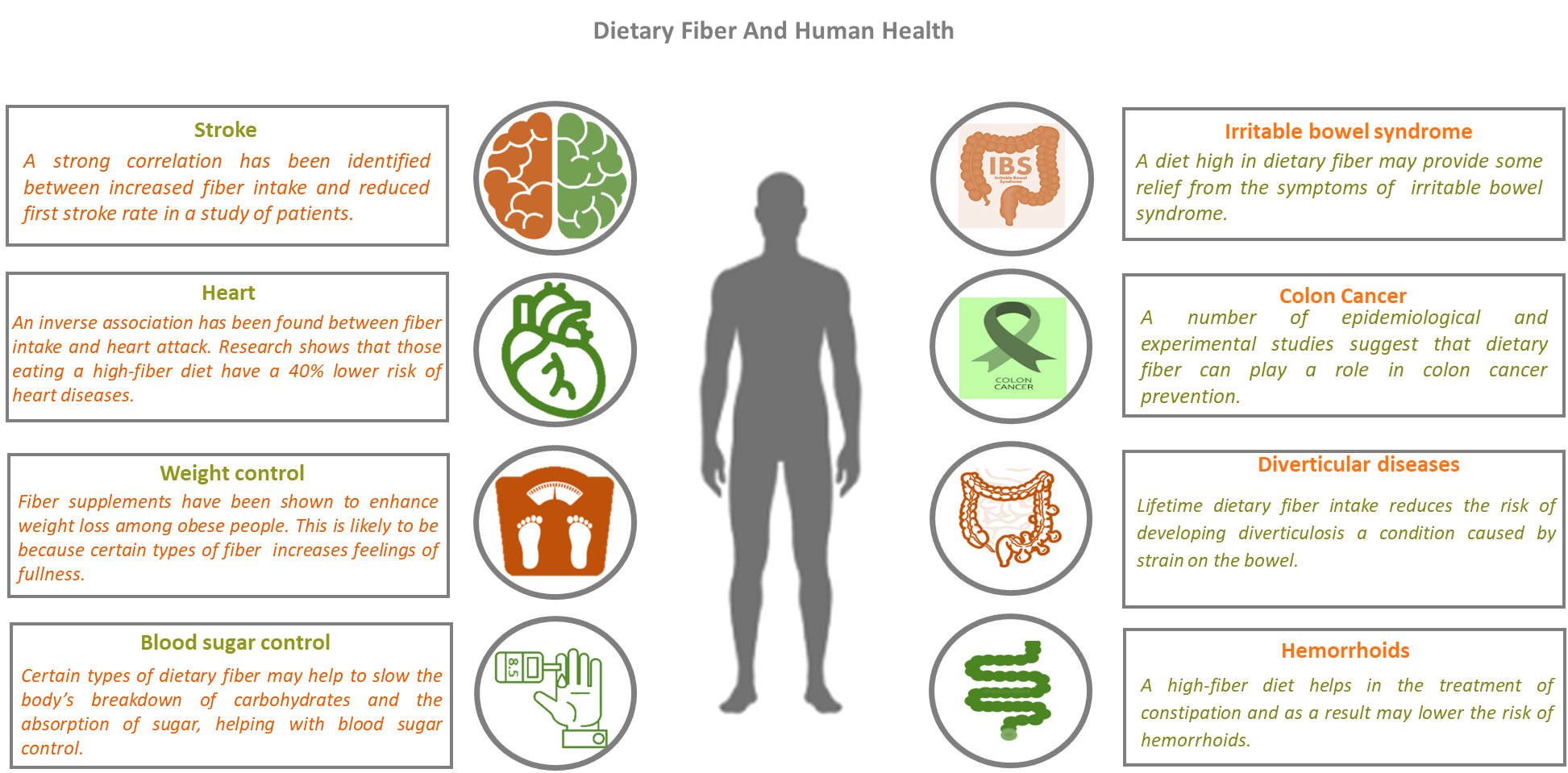
- Reduces cholesterol absorption: The gel formed by soluble fiber binds to bile acids in the intestine (which are made from cholesterol). This reduces the reabsorption of bile, forcing the body to use more cholesterol to form new bile. As a result, soluble fiber can help lower LDL (bad) cholesterol levels.
- Regulates blood glucose levels: Soluble fiber slows down the digestion and absorption of carbohydrates, leading to a gradual rise in blood sugar levels after meals. This helps prevent sudden spikes in blood glucose and is especially beneficial for people with diabetes or insulin resistance.
- Improves stool consistency in diarrhea and IBS: The gel-forming nature of soluble fiber helps absorb excess water in the intestines. This firms up loose stools and making it helpful in managing diarrhea or alternating bowel habits, such as those seen in irritable bowel syndrome (IBS).
- Improves heart health: Soluble fibre intake has been directly linked to improved heart health and lower cholesterol levels. This is great considering the rise of poor diet culture around the world.
3.2 Insoluble Fiber: The Backbone of Gut Regularity
Insoluble fiber doesn't dissolve in water. It adds bulk to your stool and helps food move through your digestive system more easily. This supports regular bowel movements and helps prevent constipation.
It helps move material through the colon by increasing the bulk of stools. Insoluble fiber increases fecal bulk and decreases intestinal transit time and making it effective in managing constipation and maintaining bowel regularity.
Benefits:
- Promotes peristalsis: Peristalsis is the wave-like movement of muscles in the digestive tract that pushes food and waste along. Insoluble fiber helps stimulate this motion and helping your intestines stay active or efficient.
- Prevents constipation: By adding bulk and absorbing water, insoluble fiber softens the stool and making it easier to pass. This reduces straining during bowel movements and lowers the risk of developing hemorrhoids or anal fissures.
- Aids in detoxification via stool elimination: Insoluble fiber helps sweep out waste, toxins and undigested materials from your digestive system through regular bowel movements. This is a natural way your body eliminates unwanted substances.
- Dilutes carcinogens and irritants in the colon: When stool moves through the colon quickly, it reduces the time harmful substances have to interact with the intestinal lining. This may help lower the risk of colon cancer by limiting exposure to potential carcinogens and irritants.
- Reduces chances of haemorrhoids: By stimulating water secreting inside our guts, insoluble fibre also reduces the chances of haemorrhoids by as much as 50%.
Scientist believe that increased fiber intake may have cancer-fighting effects because it leads to a reduction in fecal carcinogens or reduced transit time and bacterial fermentation of fiber produce short-chain fatty acids that have anticarcinogenic properties.
4. Dietary Fiber and Human Health
5. Industrial Applications of Dietary Fibers
5.1 Food Processing
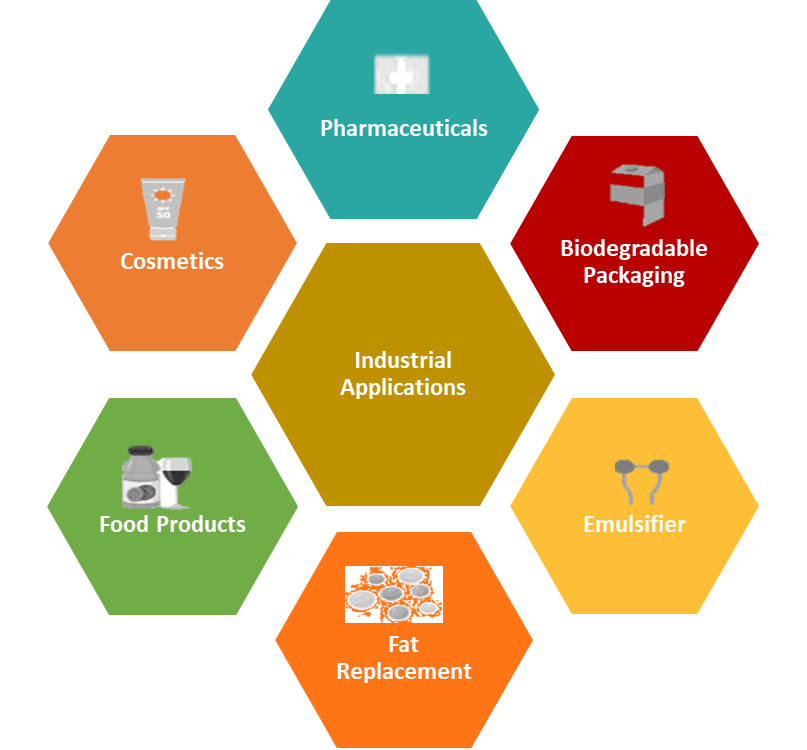
Dietary fiber is widely added to processed foods to improve texture, moisture retention, stability, and shelf life, while also enhancing nutritional value. It is used in baked goods, meat and dairy products, beverages, gluten-free foods, and snacks, often as a fat or sugar replacer. Soluble and insoluble fibers, including prebiotics, also support digestive health, gut microbiota, and blood sugar regulation.
5.2 Thickening and Gelling Agent
Dietary fibers are widely used in the food industry as thickening, gelling, and stabilizing agents due to their ability to absorb water and provide texture. Common fibers like pectin, guar gum, xanthan gum, agar, and carrageenan are used in sauces, jams, desserts, beverages, baked goods, and meat alternatives to improve consistency, moisture retention, and mouthfeel. They also act as fat or sugar replacers in low-calorie and gluten-free products, enhancing both texture and nutritional value.
5.3 Fat Replacement
Dietary fibers are used in the food industry as fat replacers in low-fat or reduced-calorie products, mimicking some of the functional and sensory properties of fat without adding extra calories. They are applied in baked goods, dressings, sauces, dairy products, processed meats, soups, spreads, and gluten-free foods. Using fiber this way helps reduce calories while maintaining taste, texture, and overall product quality, with careful formulation needed to achieve the best results.
5.4 Stabilizers and Emulsifiers
Dietary fibers are used in the food industry as stabilizers and emulsifiers to improve texture, maintain uniform mixtures, prevent ingredient separation, and enhance product quality. They are commonly added to beverages, dressings, sauces, dairy, bakery items, meat and plant-based products, gluten-free foods, and low-fat or reduced-calorie products. Using fiber in this way extends shelf life, maintains consistency, and improves the overall sensory experience, with the type and amount chosen based on the product's needs.
5.5 Pharmaceuticals
Dietary fibers are increasingly used in pharmaceuticals and nutraceuticals for their health benefits, including digestive support, cholesterol reduction, weight management, and blood sugar control. They serve as bulk laxatives, dietary supplements, and tablet/capsule bulking agents, helping with dosage and manufacturing. Both soluble and insoluble fibers are incorporated based on the desired therapeutic effect, with scientific research and regulatory approval guiding their safe and effective use.
5.6 Cosmetics
Some cosmetic products use dietary fibers like oat bran, rice bran, or aloe vera as natural ingredients. They act as exfoliants to remove dead skin cells, moisturisers to soothe and hydrate, and texturizing agents to improve the consistency of creams, lotions, and haircare products. Fibers are also used in color cosmetics to enhance pigment adhesion, longevity, and smooth application, while offering eco-friendly alternatives to synthetic additives.
5.7 Biodegradable Packaging
Dietary fibers are being used to create biodegradable and eco-friendly packaging for food, cosmetics, personal care, and textiles. These materials can replace plastics in items like wraps, pouches, boxes, bags, disposable cutlery, and plates, helping reduce environmental pollution. They are compostable, non-toxic, and reusable, offering sustainable alternatives across industries while supporting a circular economy.
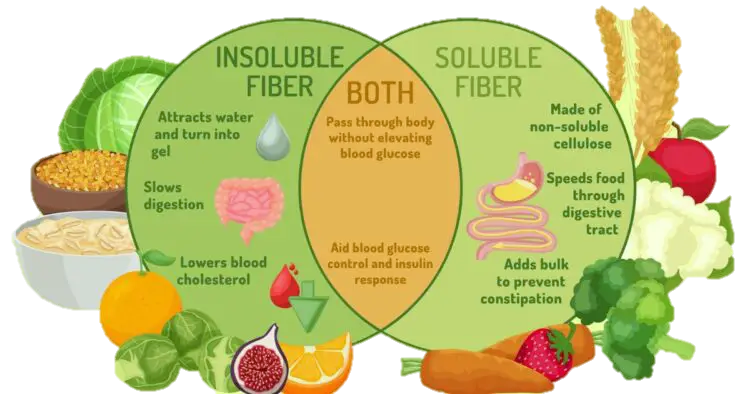
6. Soluble Vs Insoluble Fibers
Neither soluble nor insoluble fiber is inherently "better", as both are equally crucial for overall health and provide different but complementary benefits.
7. Sources of Soluble and Insoluble Fibers
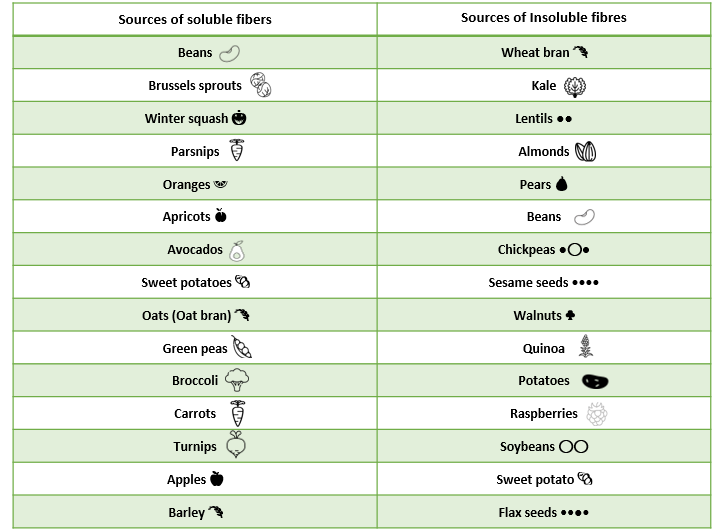
8. Novel Soluble and Insoluble Fibers
8.1 Novel Soluble Fibers

- Resistant Dextrin from Tapioca (Fibersol-2 alternative): Derived From Tapioca Starch; Enzymatically Treated To Produce Soluble Resistant Dextrins. Approved By FDA (GRAS) And EFSA As Dietary Fiber. Low Calorie (<2 Kcal/G), Soluble, Prebiotic Properties. Well-Tolerated At High Dosages without Laxative Effects.
- Soluble Corn Fiber (SCF): Produced via enzymatic hydrolysis of corn starch. Recognized as dietary fiber by FDA and EFSA. Low calorie (~2 kcal/g), highly soluble, stable in food matrices. Shown to support gut health without intolerance.
- Partially Hydrolyzed Konjac Glucomannan (PHKG): Derived from konjac root, hydrolyzed to reduce viscosity. EFSA and JECFA approved; recognized as dietary fiber. Soluble fiber, low calorie, non-laxative at recommended doses. Promotes satiety and gut microbiota modulation.
- PolyGlycopleX (PGX): Proprietary soluble fiber blend from konjac, xanthan, and sodium alginate. FDA GRAS and Health Canada approved. Viscous soluble fiber, low calorie, supports glycemic control. Well tolerated in clinical trials.
8.2 Novel Insoluble Fibers
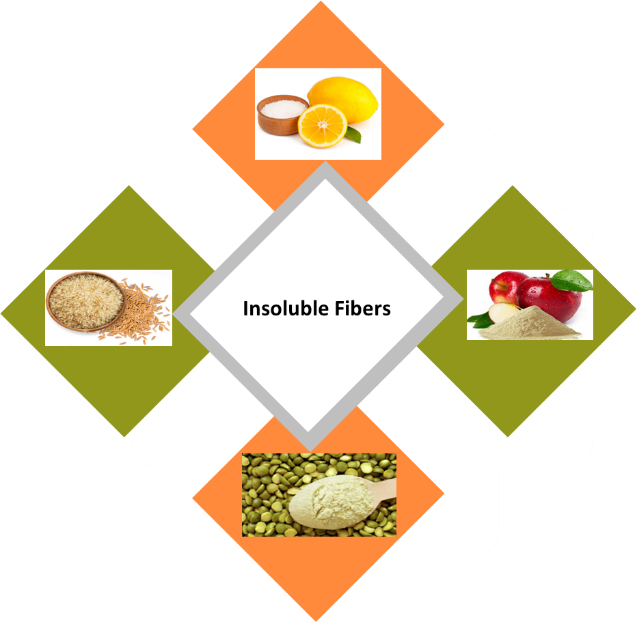
- Micronized Citrus Fiber: From citrus peel; processed to reduce particle size below 30 microns. Approved as food ingredient by FDA and EFSA. Insoluble fiber with high water-binding capacity; improves texture and fiber content. Clean label, low calorie, and good digestibility profile.
- Pea Hull Fiber: Derived from outer hull of peas; micronized for finer texture. Recognized as dietary fiber by FDA and EFSA. Insoluble fiber, neutral taste, non-laxative at normal doses. Supports digestive health and product texture.
- Apple Fiber (Micronized Cellulose-rich fraction): Sourced from apple pomace; micronized for smooth mouthfeel. Approved by FDA and EFSA as a dietary fiber ingredient. Insoluble fiber with some soluble fraction, enhances product fiber content.
- Rice Bran Fiber: Byproduct of rice milling; refined and micronized. Recognized by regulatory authorities for food use. Insoluble fiber with good water-holding capacity and texture benefits.
9. Role of Fibers in Gut Modulation
The human gastrointestinal tract is home of a vast and diverse community of microorganisms, collectively known as the gut microbiota. These trillions of microbes play a crucial role in maintaining overall health by aiding in digestion, modulating the immune system, and even influencing brain function and behavior through the gut-brain axis. Among the dietary components that shape the composition and activity of gut microbiota. Compounds that selectively stimulate the growth and activity of beneficial microbial species, notably Lactobacillus and Bifidobacterium. When these microbes ferment soluble fibers, they produce short-chain fatty acids (SCFAs) such as acetate, propionate, and butyrate. SCFAs lower the pH of the colon, inhibiting pathogens and enhancing gut barrier integrity.
10. Why Fiber Balance Matters: Risks of Too Little or Too Much Fiber
For a good gut health, it's important to maintain a balance between soluble and insoluble fiber. In combination these two fibers promote smooth digestion, proper nutrient absorption, and a healthy gut microbiome. An imbalance, such as having too much of one type or not enough of another, can cause digestive pain, such as bloating, gas, or constipation. Eating a fiber-rich diet keeps the gut nourished and working at its best.
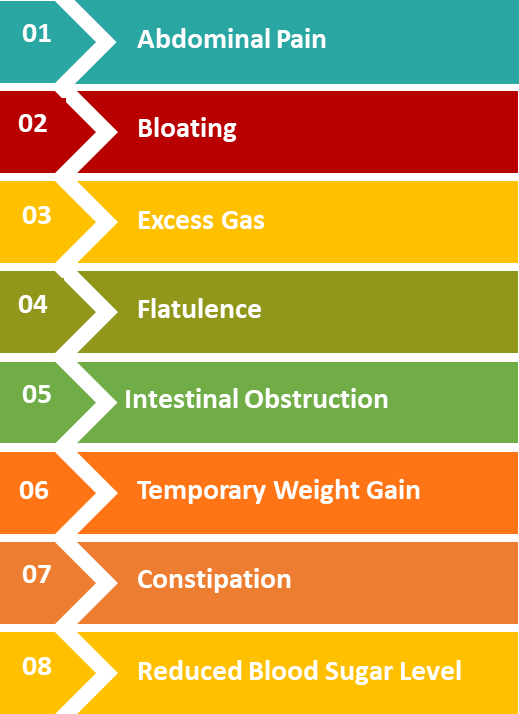
10.1 Risks of Too Much Fiber
While fiber is essential for gut health, consuming too much can sometimes lead to uncomfortable or even serious side effects. Eating too much fiber may cause:
10.2 Risks of Too Little Fiber
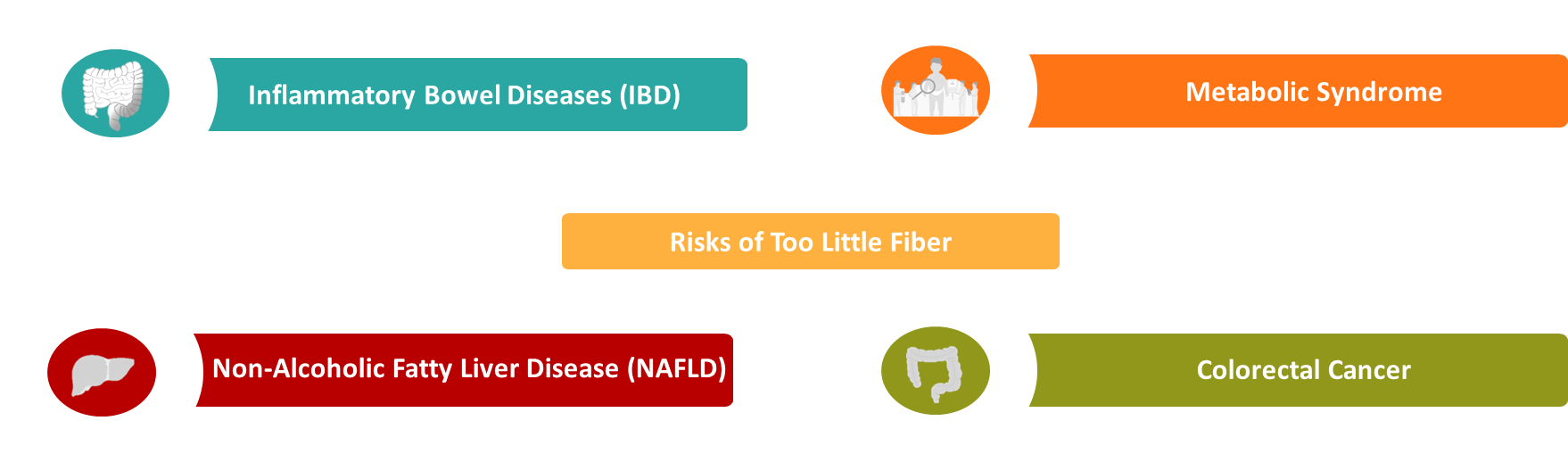
Not getting enough fiber can lead to dysbiosis (microbial imbalance) and other health issues:
- Inflammatory Bowel Diseases (IBD): Conditions like Crohn's disease and ulcerative colitis worsen when the gut barrier is weak due to low fiber, allowing harmful substances to trigger chronic inflammation.
- Metabolic Syndrome: Low fiber intake may contribute to obesity, high blood pressure, insulin resistance, and increased risk of heart disease and diabetes. SCFAs from fiber improve insulin sensitivity and reduce inflammation.
- Non-Alcoholic Fatty Liver Disease (NAFLD): Harmful compounds produced by gut bacteria can pass through a weakened gut barrier to the liver, causing fat buildup and inflammation.
- Colorectal Cancer: Fiber helps flush out toxins and carcinogens. Low fiber allows harmful compounds to linger in the colon longer, increasing cancer risk.
10.3 Modern Diets and Fiber Deficiency
Modern diets that are low in plants and high in processed foods are often dangerously low in fiber. This slows intestinal transit time, impairs toxin clearance and contributes to microbial imbalances that further strain the gut-liver axis.
- Estrogens and bile acids that would normally bind to fiber for excretion may instead be reabsorbed and increasing the body's toxic burden and disrupting hormone balance.
- Pathogenic bacteria can proliferate, when transit slows and microbial diversity is reduced.
- Detoxification pathways can become congested, placing additional strain on the liver and impairing efficient clearance.
- This is why supporting detoxification doesn't require complicated protocols it begins with simple, consistent shifts in your daily meals using whole fiber-rich foods.
11. How Much Fiber Do We Need?
The current dietary guidelines recommend that healthy adults get a minimum of 14 grams of dietary fiber for every 1,000 calories.
- For adult females, this is at least 21 to 25 grams of fiber a day.
- For adult males, this is at least 30 to 38 grams a day.
- Young females ages 9 to 18 should aim for about 26 grams of fiber per day.
- Young males ages 9 to 18 should get 31 to 38 grams per day.
- Children 1 to 8 years of age should get 19 to 25 grams of dietary fiber daily.
12. Soluble Dietary Fibers as Anti-hyperlipidemic Agents
Dietary fiber is a non-digestible form of carbohydrates, due to the lack of the digestive enzyme in humans required to digest fiber, and is classified according to its water solubility properties as either soluble (SDF) or insoluble dietary fiber (IDF). Consumption of SDF is associated with several health benefits such as reduced lipid levels, lower blood pressure, improved blood glucose control, improved immune function, and reduced inflammation. SDF has been shown to lower blood cholesterol by several action mechanisms including directly due to the gelling, mucilaginous, viscous fiber nature, and indirectly due to its fermented products and modulation of the gut microbiome.
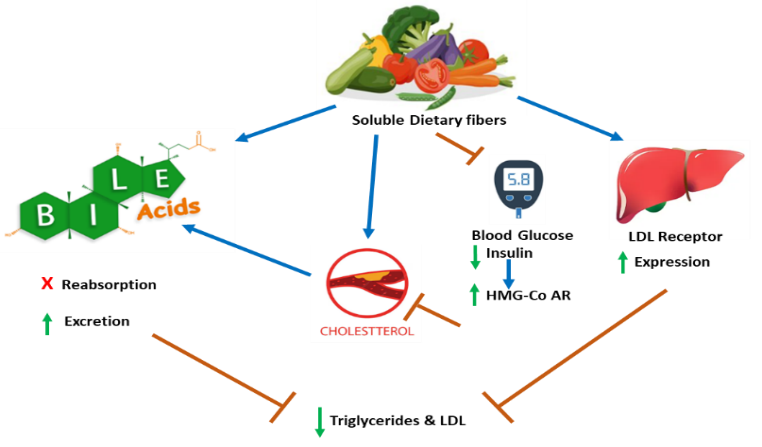
The water holding capacity of SDF increases the bulk weight and dilutes the nutrients inside the intestine due to the presence of water inside involving carbohydrates and lipids and their movement via the intestinal wall. These bulking and viscosity features of SDF prolong satiety and decrease food consumption, which was considered as one of the important mechanisms of lipid lowering. Another underlying principle behind the reduction of lipid by SDF is attributed to the ability of fibers to bind to bile acids/salts and prevent their reabsorption into the enterohepatic circulation as well as enhance their excretion into feces. Hence, formation of new bile salts from cholesterol occurs, so dropping blood cholesterol levels and having a lipid-lowering effect.
Main lipid lowering action mechanisms of soluble dietary fiber. Brown lines point to blocking actions, and blue arrows point to stimulating actions.
13. Developing a Novel Dietary Fiber with Modified Functional and Improved Prebiotic Properties
Cassava also known as tapioca, is a major carbohydrate source for the global population and is widely cultivated in Southeast Asia, tropical Africa and Central America. A novel cassava pulp derived from dietary fiber (CPDF) was developed by converting the residual starch in cassava pulp (CP) into resistant maltodextrin (RMD) through pyrodextrinization followed by enzymatic hydrolysis. This process produced a novel dietary fiber with distinct properties, containing both insoluble and high levels of soluble fibers. The CPDF product obtained from pyrodextrinization at 200 °C (pH 3 for 4 h) and subsequent enzymatic hydrolysis (CPDF-200) exhibited a significant soluble fraction content of 25.8 g per 100 g of product (43.3 % yield). This innovative application of pyrodextrinization and enzymatic hydrolysis to the residual starch in CP enhanced the soluble fiber content in the newly developed dietary fiber. The study successfully demonstrated a novel approach that combines pyrodextrinization and enzymatic hydrolysis of the residual starch in CP, resulting in enhanced soluble fiber content in the newly developed CPDF.
14. Future Aspects
Future research on fiber will focus on the gut microbiome, the precise effects of specific fiber types and their ratios on metabolic health, and the development of targeted dietary fiber interventions for disease prevention and treatment. Future aspects also include a deeper understanding of how specific fiber sources and their interactions with gut microbes influence human health, particularly in the management of obesity, diabetes, and cardiovascular disease. Also scientists discovered about the Physicochemical characteristics such as molecular structure, types of bonding, chain length, ion exchange capacity, water holding capacity and ferment-ability critically affect the physiological behaviors of dietary fiber. In future research, efforts on the physicochemical/physiological relationships will help the food industry and the public choose dietary fiber sources with the greatest potential health benefits for food formulation and consumption.
15. Conclusion
Dietary fiber is an essential component of a healthy diet and provides numerous benefits for human health and well-being. They are non-digestible carbohydrates found in variety of plant-based foods and exist in soluble and insoluble forms, each offering unique advantages. Dietary fibers help promote regular bowel movements, prevent constipation, and reduce the risk of digestive disorders. Soluble fibers can help manage diarrhea by absorbing excess water. Since dietary fiber showed its chemo protective property in both soluble and insoluble forms, according to studies. Overall, this white paper provides a comprehensive and forward-looking analysis of dietary fiber, encompassing not only its health benefits but also its sustainability and future applications in improving human well-being.
-Sensors-Next-Generation-Flexible-Devices/Wrinkled-Silver-Nanowire-AgNW-Sensors-Next-Generation-Flexible-Devices.png)


-Innovative-Applications-and-Insights.jpeg)


