1. Introduction
Our cells are not passive element of the body, they play an active role in how our bodies function, responding to all sorts of signals whether it’s physical, chemical and even light-based signals. Advancement in molecular biology have revealed how some specific wavelength of red and near-infrared light can impact on cellular processes. They help in energy production in our mitochondria, reducing lower oxidative stress, and even kick-start anti-inflammatory responses.
So let’s talk about photobiomodulation (PBM) a non-invasive therapy that uses Low-intensity red or near-infrared light to help with healing and regulate functioning of our cell. Now, PBM isn’t exactly new. It’s been around for quite a while, but recently, there have been some exciting developments made it far more precise and accessible. The rise of quantum-dot LED (QLED) technology has allowed researchers to design highly tuneable, compact light sources suitable for medical use. While wearable NIR devices now deliver continuous, tissue-penetrating light in real time, enabling treatment of deeper targets such as muscle and brain. These innovations are transforming PBM from a limited clinical procedure into a scalable, AI-integrated therapy platform with growing applications in neurodegenerative disease, chronic pain, mental health, and general wellness.
2. What is Photobiomodulation?
Photobiomodulation (PBM) is considered a phototherapy that applies light emitting diodes (LED) or low-powered lasers to preferentially deliver certain wavelengths of visible light including near-infrared (NIR) wavelengths without causing thermal damage. Endre Mester's discovery in the 1960s has grown over the years with new light sources, including LED and laser systems. In invasive treatment, PBM can be applied systemically (for example, through blood) or as adjunctive therapy to facilitate healing after surgery or other invasive treatments. In contrast to photodynamic therapy (PDT), which uses photosensitizers and is invasive for deeper tissues, PBM is drug-free and meant for bio stimulation. Photobiomodulation (PBM) can be defined as the purposeful application of clinically low-power laser, or light-emitting diode light in the visible and near-infrared light spectra as a medical application to living biological tissues.
There are several important parameters of PBM, including wavelength, energy density, (e.g., 1-5 J/cm²), power output, and application mode (the light either continuously for several seconds or in a pulsed fashion). Each of these parameters affects penetration depth and cellular process response. Recent research has focused on the role of PBM in treatment of complications from a surgical/burn injury, including post-surgical pain, inflammation, and tissue regeneration.
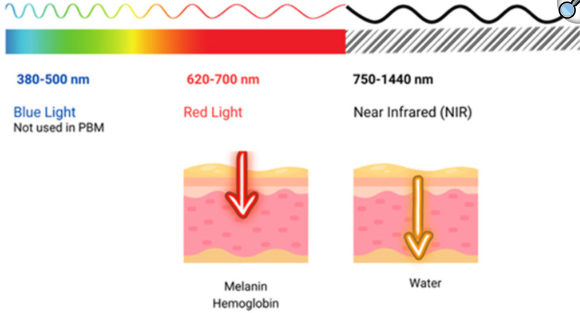
Fig. 1 Shows the penetration of light at different wavelengths throughout the visible and near-infrared (NIR) spectrum.
3. Why PBM Outpaces Other Light Therapies?
This table represents the comparison of PBM with other light therapies.
| Therapy | Mechanism | Invasiveness | Target Precision | Side Effects | Clinical Use | Limitations |
|---|---|---|---|---|---|---|
| Photobiomodulation (PBM) | Red/NIR light enhances mitochondrial function (non-thermal, non-ablative) | Non-invasive | Monochromatic light with deep penetration (up to 5 cm) | Rare, minimal (no ionizing radiation) | Pain, inflammation, wound healing, neurorehab | Requires correct dosing (biphasic dose response) |
| Ultraviolet (UV) Therapy | DNA damage to suppress immune response or kill cells | Moderate risk; Non-invasive | Shallow skin penetration | DNA damage, cancer risk, burns | Psoriasis, eczema, vitiligo | Carcinogenic with prolonged exposure |
| Intense Pulsed Light (IPL) | Broad-spectrum light targeting melanin and hemoglobin | Non-invasive | Surface to shallow dermis (~1–2 mm) | Burns, hyperpigmentation, redness | Hair removal, skin rejuvenation, rosacea | Less effective for deep tissue or anti-inflammatory purposes |
| Photodynamic Therapy (PDT) | Light-activated drug generates ROS to kill targeted cells | Moderately invasive | Variable depth, depending on drug and light | Photosensitivity, localized tissue damage | Cancer, acne, actinic keratosis | Invasive, limited to cytotoxic effects |
| High-Intensity Focused Ultrasound (HIFU) | Focused ultrasound causes thermal coagulation | Minimally invasive | Deep tissue (up to several cm) | Pain, swelling, burns | Tumor ablation, cosmetic lifting | Risk of overheating and collateral tissue damage |
4. Mechanism of Action
Photobiomodulation Therapy (PBMT), also called Low-Level Laser Therapy (LLLT), helps in repair cells and regenerate tissues by targeting the mitochondrial electron transport chain (ETC). Light in the red and near-infrared range is absorbed by chromophores like Cytochrome c Oxidase (CcO), which is an enzyme containing iron and copper and is essential for the ETC. When CcO absorbs light, it gets activated, which allows nitric oxide (NO) to separate. This NO was inhibiting mitochondrial respiration in cells exposed to hypoxia or stressed. The released NO causes vasodilation, improving the supply of oxygen and nutrients to tissues. Additionally, CcO activation improves the production of ATP (adenosine triphosphate), the cell’s major energy source, and decreases reactive oxygen species (ROS). Reducing oxidative stress enhances cell energy, oxygen levels, and the balance of redox signaling. These processes induce protective gene expression and transcription factors, which ultimately regulate inflammation, tissue repair, and immune regulation. PBMT dose also modifies nerve activity to relieve pain and limit neurogenic inflammation.
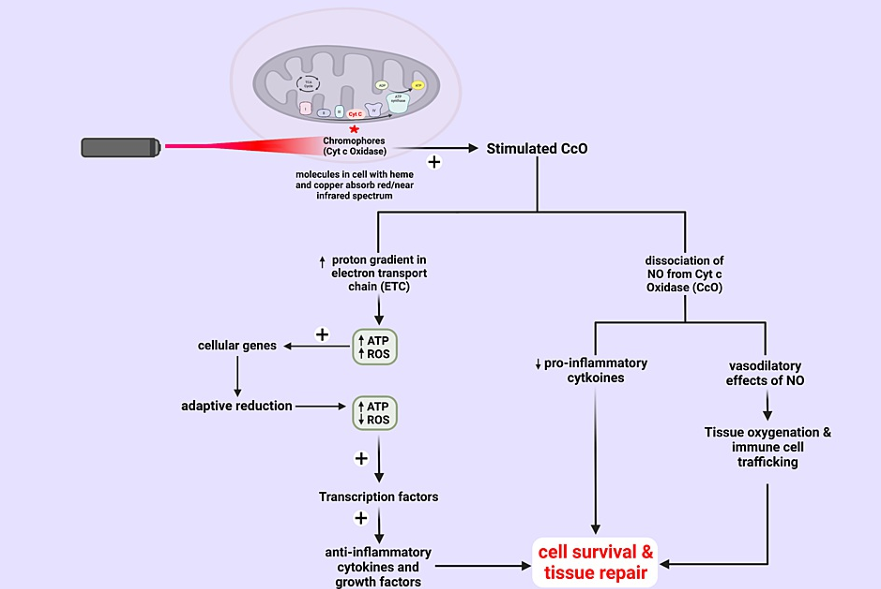
Fig. 2 Mechanism of action of PBM
5. Advances in PBM Technology
Emerging Next Generation PBM leverages colloidal quantum dots (CQDs) embedded in light emitting diodes (LEDs), enabling flexible, tuneable, and efficient NIR light sources suitable for wearable and implantable medical devices.
5.1 Quantum Dot LEDs in Photobiomodulation
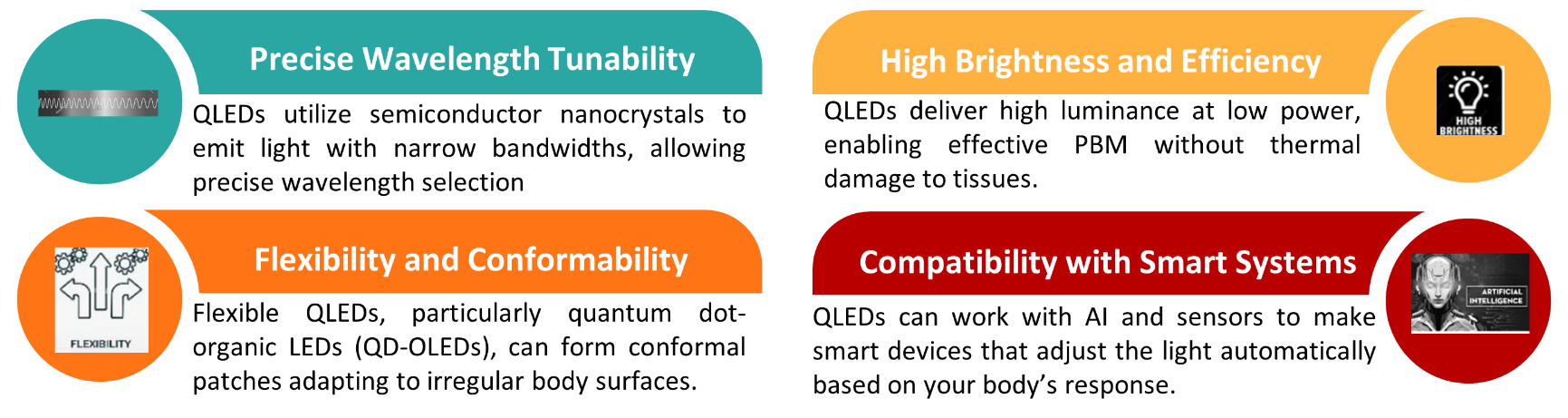
Quantum dot light-emitting diodes (QLEDs) represent an innovative advancement in light sources for photobiomodulation (PBM) that possesses unique benefits to traditional light-emitting diodes (LEDs) and organic LEDs (OLEDs). QLEDs utilize nanoscale semiconductor particles that emit light at extremely narrow wavelengths with unmatched precision. The tight spectral output of QLEDs are especially useful for use in PBM because certain wavelengths excite activity in cells through pathways that utilize mitochondria. For example, wavelengths around 630 nm are commonly used to stimulate cellular activity for skin repair and wound healing, while near-infrared (NIR) wavelengths around 810 nm penetrate tissues and are beneficial for muscle, joint, and nervous recovery.
In addition to spectral tunability, QLEDs are extremely efficient and flexible. Their lightweight, thin, and flexed forms facilitate their integration into wearable PBM devices such as patches or smart bandages. These formats are particularly beneficial for topical treatments of long-term conditions like diabetic ulcers, inflammation, and musculoskeletal pain without the use of cumbersome equipment or repeated clinical visits. The latest developments in QLED technology have centred on material, substrate, and encapsulation optimization to increase durability, stability, and skin compatibility. These advances enable QLEDs to transmit consistent doses of light safely and accurately matched to biological targets. They operate with low voltage and minimal heat output, making them suitable for long-term or multiple therapeutic applications.
The intrinsic flexibility of QLEDs also enables the creation of conformal devices such as quantum dot-organic LED hybrids (QD-OLEDs), which enable high-power, wavelength-selective illumination for dermatological and wound care treatments. Research has shown their application in skin rejuvenation, treatment of acne, and prevention of scars with stable performance even under bending stress. Additionally, QLEDs' narrow emission spectra enable electrophysiological modulation and tissue regeneration, in accordance with quantum physics principles utilized in clinics.
Current patents and innovations target improving electron injection layers to make devices brighter and more efficient, placing QLEDs as a cost-efficient and transportable option for individualized PBM treatments. In general, QLED technology fills the gap between cutting-edge display engineering and photomedicine with the ability to provide tunable light sources that enhance therapeutic accuracy and patient results.
5.1.1 Advantages of Quantum Dot LEDs in Photobiomodulation
5.2 Wearable NIR Devices in Precision Medicine
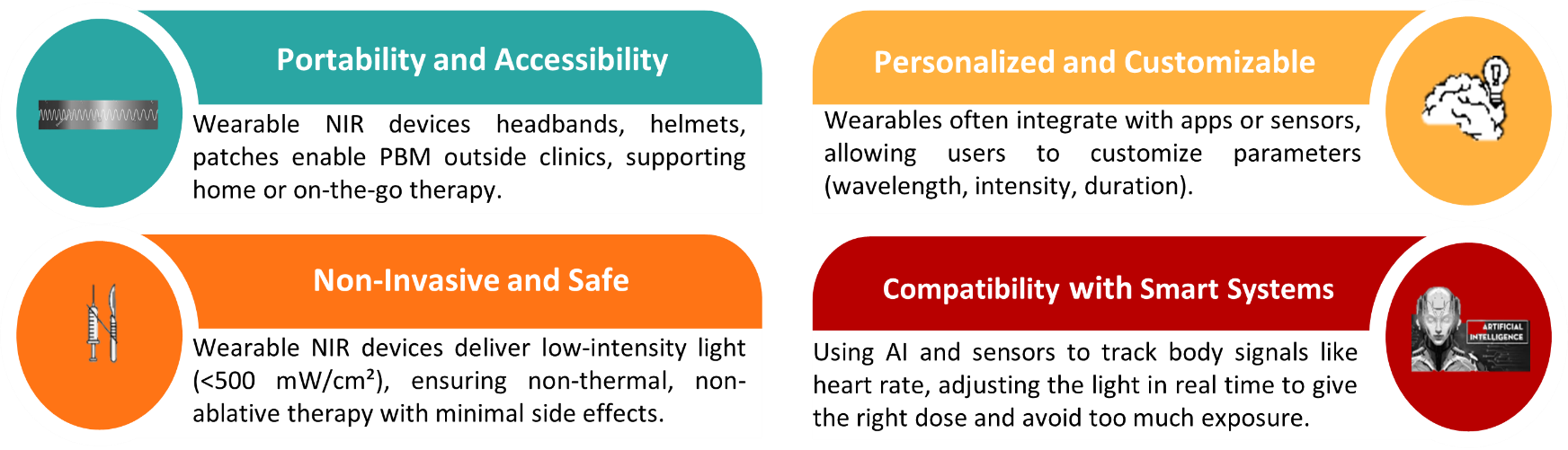
Wearable near-infrared (NIR) light devices are revolutionizing light therapy in that they are easy-to-use, effective, and portable. Wearable NIR devices come with flexible light-emitting diodes (LEDs) or small micro-LEDs, both emitting light in the NIR range of 700 to 1400 nm, which is a specific range of light that activates cells in the body. NIR light has several biological stimulatory effects, such as enhancing healing time, reducing pain sensitivity, even improving cognitive function. Wearable devices are designed unlike the traditional photobiomodulation systems that are large and must be used at a clinical setting, but come in the form of headbands, helmets, patches and bandages that are easy to wear and are adaptable to home, exercise, or other moving instances.
The benefit of NIR light emerging from these devices is its ability to penetrate deeply into tissues where it exerts its effects inside the cells by functioning on designated cellular molecules (e.g., cytochrome c oxidase in the mitochondria). Because energy production is increased as well as the reduction of mitochondrial oxidative stress while reducing inflammation, there is repair, the formation of new tissues, and reduction of pain without inducing heat damage.
Wearable NIR devices are composed of several layers which must be carefully constructed using flexible light sources, power-saving materials, skin-comfortable adhesives, and protective coatings that will block moisture and oxygen. The use of materials like indium tin oxide on flexible plastics creates degradation in performance and allows for stretching and snugly fitting.
5.2.1 Design and Technology of Wearable NIR Devices
Wearable NIR devices are becoming a powerful tool for continuous and non-invasive therapies. These devices come in forms such as flexible patches, bands, or even implants and utilize advanced light sources and sensors to interact with body tissues.
Key components and features:
- Light Sources:
QLEDs and Micro-LEDs (µLEDs) QLEDs: Tunable emission (e.g., 630–924 nm) with high quantum yields and narrow bandwidths (FWHM ~20–80 nm). Heavy-metal-free materials (e.g., InP or ZnSe) ensure biocompatibility. - Flexible Substrates:
Materials like PET, PDMS, or polyimide enable flexibility and stretchability, ensuring skin conformity. These substrates support integration of QLEDs and sensors without compromising mechanical integrity. - Sensors for Monitoring:
- PPG Sensors: Monitor heart rate and oxygen saturation, critical for cardiovascular or neurological applications.
- Electrochemical Sensors: Detect pH, glucose, or lactate for wound or metabolic monitoring.
- Spectroscopic Sensors: Measure tissue optical properties (e.g., absorption, scattering) for oncology or skin therapy.
- fNIRS/EEG: Track brain activity for transcranial PBM, enabling closed-loop neurological treatments.
- AI Integration: By enabling individualized treatment protocols, the integration of artificial intelligence (AI) and machine learning (ML) has the power to truly revolutionize PBMT. AI algorithms can be trained to optimize treatment parameters for specific patients and conditions by collecting information from wearable patches such as treatment time, power density, wavelength, and patient response (for example, through integrated sensors peripheral monitoring physiological parameters, or patient reporting of outcomes). In the case of individualizing treatment parameters in real time, this may mean changing the chronological order of parameters such as wavelength, power density, and treatment duration based on real-time data collected from a wearable patch. Predictive models could be created to anticipate each patient's response and adjust treatment regimens. The synergistic application of AI and wearable sensors may allow for closed-loop applications that autonomously alter the treatment light dose based on the patient's physiological state as has been demonstrated in other therapeutic wearable applications.
5.2.2. Real-World Examples
- Flexible patches: These are thin, lightweight and flexible patches that stick to your skin that have tiny LEDs or OLEDs. Flexible red OLEDs are ultra-thin and provide good contact with the skin, even if they are bent and stretched, and the wavelength of the light can be exactly controlled. Flexible red-wavelength OLEDs, for example, are ultra-thin and lightweight measuring under ~700 µm and provide uniform skin contact, controlled wavelength tuning, and stable operation under bending conditions.
Fig. 3 NIR QD–OLED patch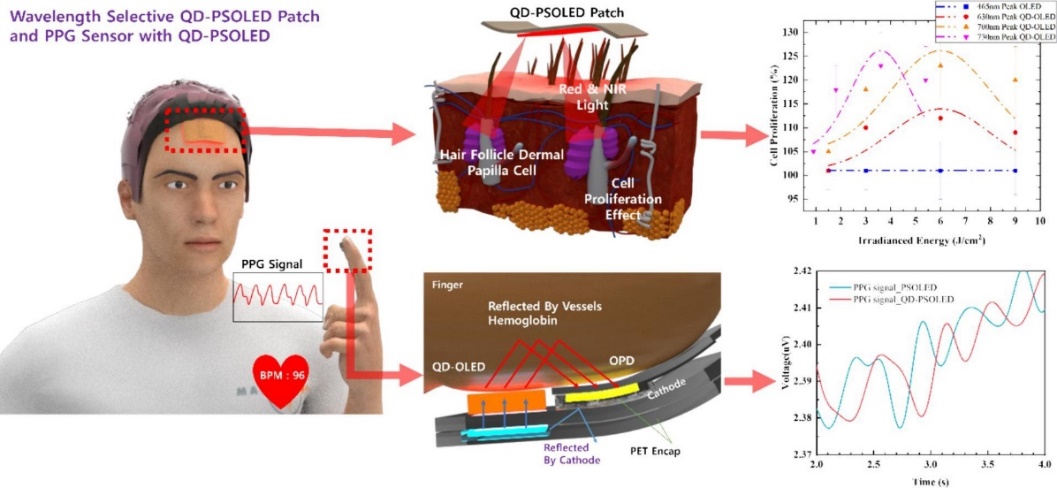
- Wearable Helmets: These devices designed to deliver transcranial NIR light, such as the Vielight Neuro Alpha 2 let, establish configurations based on cognitive improvements to accomplish a therapeutic delivery through the application of a regular protocol and the customization of physical treatment protocols through mobile applications for dosing based on the individual's biomarker data.
Fig 4. the Vielight Neuro Alpha 2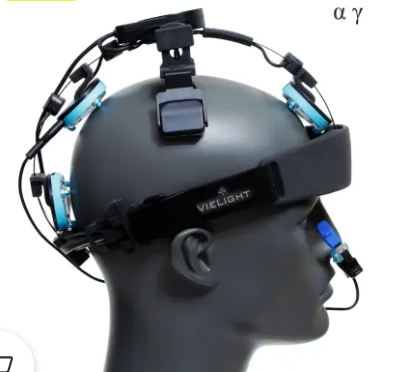
Wearable NIR devices allow for continuous and unobtrusive monitoring and therapy of photonic nanomaterials involved in health determinant processes with photobiomodulation. The outcomes have been promising in decreasing sleep disorders as they induce photochemical interactions within biological substrates to positively drive circadian rhythms in the body's physiology. Home-use LED torches and helmets that house valued therapeutics, such as the MitoMIND™ which contains tunable OLEDs (700-800 nm) for biomedical wearable and implantable devices.
5.2.3 Advantages of NIR wearable devices in Photobiomodulation
6. Clinical Applications
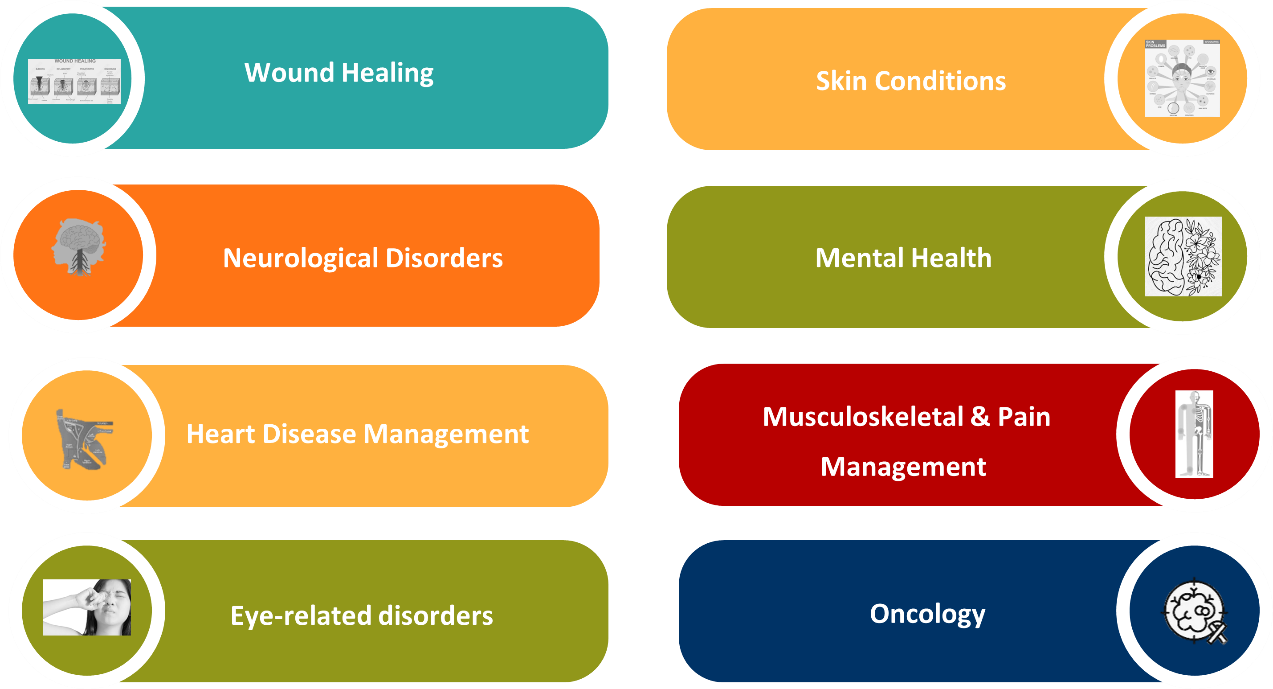
There are some clinical applications of next-generation photobiomodulation technologies, including quantum-dot LEDs and wearable near-infrared devices, in areas such as wound healing, pain management, and neurological disorders, etc.
1. Wound Healing
Our body naturally heal the wound but sometimes healing is slow especially in people with conditions like diabetes or poor circulation. Photobiomodulation (PBM) is a therapy that uses near-infrared (NIR) light to help the body heal faster and reduce inflammation. QLEDs provide precise NIR wavelengths (e.g., 980 nm) to penetrate deeper tissues, while wearable patches using a flexible red-wavelength OLED light source demonstrated significant in vitro wound healing potential by increasing fibroblast proliferation and enhancing cellular migration. PBM supports healing by promotes angiogenesis, collagen synthesis, boosting ATP reducing inflammation and infection in chronic wounds like diabetic ulcers.
2. Skin Conditions
Near-infrared (NIR) light is becoming a popular technology in beauty and skincare because of its ability to naturally stimulate the skin through photobiomodulation. Its applications in beauty and skincare primarily focus on anti-aging, improving skin texture, correcting pigmentation issues, and treating skin inflammation and lesions. PBM targets acne by reducing Propionibacterium acnes via reactive oxygen species (ROS) and aging by boosting collagen. QLEDs’ wavelength control ensures optimal wavelengths (e.g., 627 nm for epidermis), while wearables enable daily, low-dose therapy with real-time skin monitoring, enhancing outcomes for diverse skin types.
CASE STUDY:
The Jmoon Transdermal Collagen Light device, developed under the guidance of Nobel Laureate physicist Theodor W. Hänsch, uses a combination of near-infrared (NIR) light waves short wave (760–1400 nm) and long wave (1400–1940 nm) to deeply penetrate the skin up to 4.5 mm. This allows it to stimulate collagen production across all layers of the dermis (superficial, middle, and deep), resulting in strong anti-aging effects such as improved skin elasticity, firmness, and wrinkle reduction.
Unlike traditional home-use radiofrequency (RF) devices, which typically reach only 3.5 mm depth and treat small skin areas (around 3 cm²), the Jmoon device penetrates deeper and covers a larger treatment area (7 cm²) with a uniform, focused light field. This ensures more efficient heating of the dermis with less energy loss and enhances collagen regeneration through dual mechanisms: thermal stimulation and light-activated biological effects that boost fibroblast activity and ATP production.
The device offers two modes for skin rejuvenation:
- Collagen Regeneration Mode: Uses combined IRA and IRB wavelengths to promote deep collagen synthesis and restore skin firmness and elasticity through photothermal stimulation.
- V-Lift Mode: Employs microcurrent technology to lift and firm facial skin, creating a youthful V-shaped contour by tightening fascia and skin layers.
Clinical reports show that users experience noticeable skin lifting after a one session, with significant wrinkle reduction after seven treatments, making this device an effective and non-invasive solution for anti-aging skincare.
Fig 6. Before and after Using Jmoon Transdermal Collagen Light for Home Cosmetic Treatment
3. Neurological Disorders
Photobiomodulation therapy (PBMT) is gaining attention for neuroprotection, cognitive function improvement, and stroke rehabilitation. Transcranial PBM has been able to enhance blood flow in various conditions such as traumatic brain injury, depression, and Parkinson's disease. The primary mechanisms are the amplification of ATP generation and augmentation of cerebral circulation, favoring neural recovery. Evidence also indicates that transcranial infrared laser stimulation enhances attention, memory, and executive function. This process is believed to be achieved through the activation of cytochrome oxidase, enhancing brain energy metabolism. QLEDs deliver high-intensity NIR, while wearable helmets with fNIRS/EEG sensors provide neural feedback, enabling AI to predict and optimize therapy for responders, critical for personalized neurological care.
4. Musculoskeletal & Pain Management
PBM helps in reduce pain and speed up tissue recovery in arthritis and oral conditions. PBMT, including the treatment delivered through patches, has been studied for its use in pain relief and musculoskeletal disorders. The mechanisms behind these involve inflammation reduction, analgesia induction, and healing of musculoskeletal pathologies. For example, a study describes the application of a new light patch system with 450 and 640 nm micro diodes for pre and postoperative PBMT in knee arthroplasty to help lower the pain, reduce swelling and speed up recovery. The absorption of red light by CCO within mitochondria and increased ATP synthesis, while the blue light improves blood flow. Some studies suggest that the photobiomodulation, is safe and effective for reducing pain and improving function in knee osteoarthritis. However, frequent clinic visits can be difficult, so home-use light patches are being developed. These patches can be controlled by patients to manage pain and swelling after knee replacement surgery. QLEDs in these devices emit light that reaches different tissue depths, and wearable bands with sensors adjust the treatment for optimal recovery at home.
5. Mental Health
PBM also used in treatment of mood and anxiety disorders. Because of its low cost, and ease of self-administration, transcranial-PBM could become widely accessible. PBM modulates brain activity, improving mood via increased cerebral oxygenation and neural connectivity. QLEDs ensure precise NIR delivery, while fNIRS wearables monitor mental states, enabling AI-driven personalization for depression and anxiety, with potential for daily home use.
6. Heart Disease Management
Photobiomodulation (PBM) using near-infrared (NIR) light and QLEDs (quantum dot LEDs) is gaining attention as useful tool in treating heart conditions. These light therapies can reach deep into the body without surgery and help heart cells work better by boosting energy production (ATP), reducing fibrosis, and improving how heart muscle cells handle calcium which is key for proper heartbeats. QLEDs allow for more precise and safer delivery of this light. and wearables providing continuous bio signal monitoring (e.g., PPG for heart rate).
7. Eye-related disorders
PBM is gaining attention in the field of eye care as it is used for treatment of various eye related disorders that is retinal diseases, including macular degeneration, diabetic retinopathy, and genetic eye conditions. These light therapies used to treat these disorders without causing any harm to our body tissues.
8. Oncology
Photobiomodulation uses special light activated substances to kill cancerous cell and help in healing tissues after surgery. using QLeds in therapy can increase cell metabolism because they emit strong, precise wavelengths of light. NIR wearable devices equipped with sensors can provide real time monitoring of tumours while delivering light that deeply penetrates into the skin. PBM therapies help to prevent the development of cancer therapy associated side effects, especially oral mucositis.
7. Challenges
Despite of advantages these integrating QLEDs and wearable NIR devices into PBM faces multiple challenges:
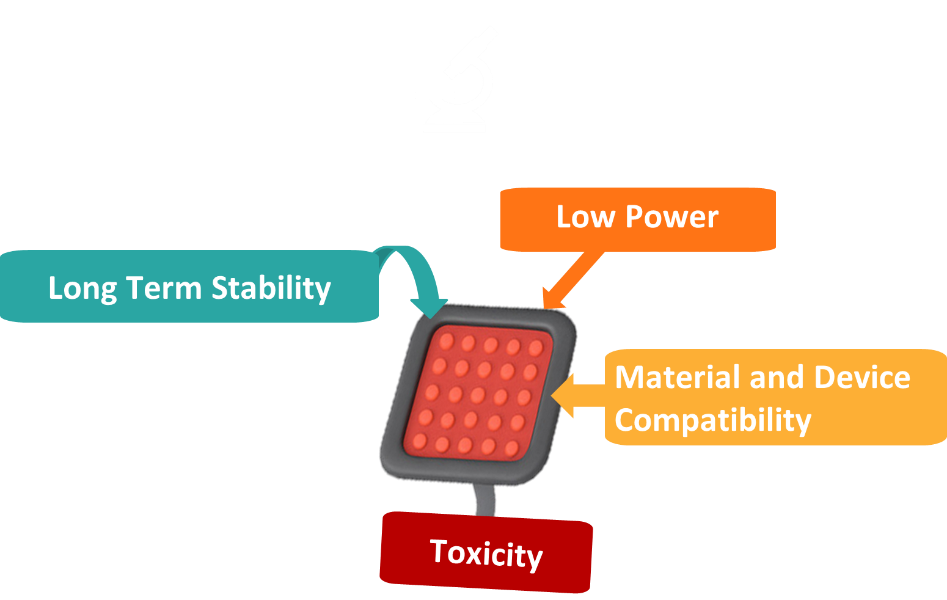
- Material and Device Compatibility
The materials used in QLEDs and NIR devices don’t always work well together. If they’re not matched properly, the device may not work efficiently or last very long especially if it needs to be flexible or stretchable for wearable use. - Long-Term Stability
These devices can wear out over time, especially when they're used at high power levels. Keeping them stable and working well for a long time is still a challenge. These devices need to work reliably over the long term, but exposure to sweat, movement, heat, and moisture all common in wearables can cause them to break down or stop working properly. - Toxicity
Some of the materials used in these devices can be harmful inside the body, making safety a concern for medical applications. - Low Power
LEDs usually don’t produce as much power as lasers, which can make them less effective for certain types of therapy.
8. Future Outlook
Future LED phototherapy equipment will be smart, adaptive, and designedto fit to the body with ease using soft substrates such as textiles, hydrogels, and polymers. Advanced fabrication methods protect the delicate components during manufacturing. Emerging light sources like µLEDs, OLEDs, and QLEDs are optimized for performance and stretchability, and thin protective films keep devices dry. Power choices includes small batteries, wireless power, and nanogenerators, so these devices can be worn and implanted easily. One of the innovations is the incorporation of temperature, oxygen, and light absorption sensors that communicate with AI to change treatments in real time for individualized care.
Future devices may integrate photobiomodulation with drug delivery, electrical stimulation, or biomaterials to enhance healing and address difficult medical issues. Some possible examples include patches that release drugs in response to light, incorporate light with electrical therapy to enhance cancer therapy, or be used in conjunction with antimicrobial agents to combat infection while healing the tissue.
9. Conclusion
Near-infrared (NIR) wearable devices and QLED technology are driving the next wave of photobiomodulation (PBM) therapy with the promise of portable, accurate, and personalized treatment. Their deep tissue penetration with the high efficiency and adaptability of QLEDs is making therapy more effective in various applications ranging from wound healing to neurological health. Smart technologies integration also improves flexibility as well as real-time monitoring. Despite challenges in materials and power, QLEDs and wearable NIR devices are driving PBM toward a smarter, more personalized future in medicine.


-Innovative-Applications-and-Insights.jpeg)


