1. Executive Summary
As the global energy sector faces increasing pressure to decarbonize, digitalize, and decentralize, artificial intelligence (AI) emerges as a game-changing technology for optimizing smart grids. This white paper investigates how AI applications are reshaping the power industry—from predictive maintenance and load balancing to renewable energy integration and grid automation. The smart grid of the future is not just digitally connected; it is contextually aware and capable of making autonomous decisions in real-time.
With growing investment in AI-driven solutions by industry leaders such as ABB, Siemens, Schneider Electric, and GE Vernova, and with a steep increase in AI-related patents and R&D funding, the momentum is clear. However, challenges like regulatory ambiguity, high capital requirements, and cybersecurity threats remain.
This paper delivers a holistic view of the current landscape, technological advancements, deployment challenges, and future outlook.
2. Introduction
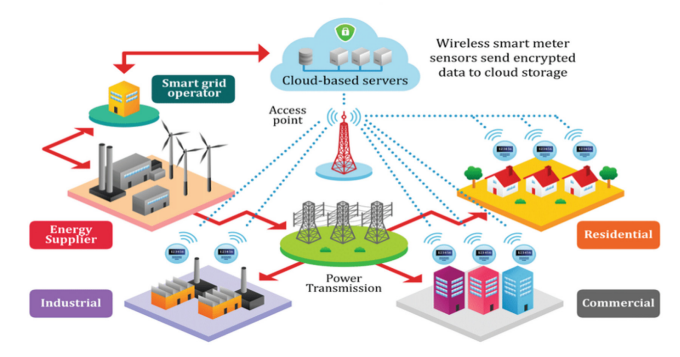
The traditional electrical grid, while foundational to modern civilization, is increasingly strained by the demands of a digitized and decarbonized future. Rapid urbanization, the proliferation of electric vehicles, and the integration of intermittent renewable energy sources have exposed the grid's vulnerabilities. These complexities demand a shift toward smart grids—electrical systems enhanced by advanced sensing, automation, and data-driven intelligence.
At the heart of this evolution lies AI. Artificial intelligence enables dynamic forecasting, real-time optimization, and proactive system management across distributed energy resources. By applying machine learning models to massive data streams from smart meters, IoT sensors, and DERs, AI unlocks efficiencies previously unattainable.
This white paper explores how AI not only supports grid modernization but is becoming indispensable to its future.
3. Problem Statement
Electricity grids are undergoing unprecedented transformation, but their core infrastructure often remains analog, centralized, and reactive. These legacy systems struggle with real-time responsiveness, suffer from inefficiencies in power distribution, and face mounting challenges in integrating distributed renewable energy.
The unpredictable nature of solar and wind energy generation compounds the issue, leading to imbalance risks and load forecasting errors. Traditional systems are also inadequate in identifying and responding to grid faults quickly, resulting in downtime, energy loss, and reduced reliability.
Cybersecurity threats are escalating as grids become increasingly digitized, yet defensive capabilities lag behind. Additionally, data silos and regulatory fragmentation hinder holistic visibility and collaboration across the energy ecosystem.
Addressing these problems requires a shift to intelligent, adaptive infrastructure powered by artificial intelligence.
4. Technology Attributes
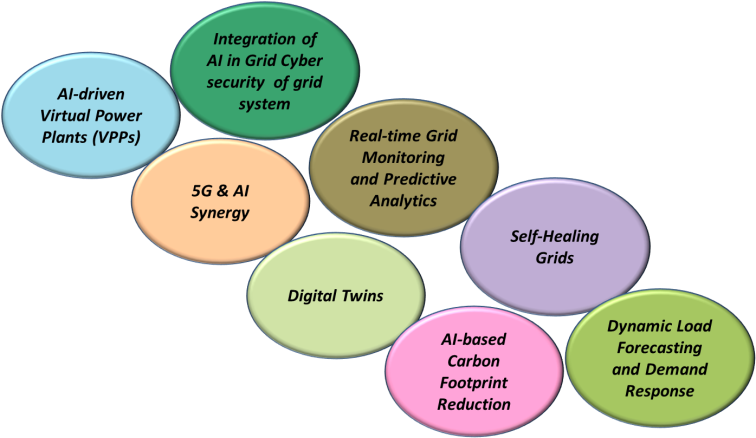
Smart grid systems leverage a convergence of Artificial intelligence (AI), machine learning (ML), Internet of Things (IoT), and communication technologies to optimize power generation, distribution, and consumption. AI enables intelligent forecasting, anomaly detection, and automated decision-making, allowing utilities to respond swiftly to changing conditions.
Through real-time data collected from IoT-enabled sensors, substations, smart meters, and transformers, these systems support precise load balancing and predictive maintenance. Integration with renewable energy sources like solar and wind—often intermittent by nature—is made more efficient through AI models that can predict supply variability and adjust grid operations accordingly.
Additionally, AI strengthens cybersecurity through pattern recognition and threat detection, enhancing grid resilience. These technology attributes are pivotal in transitioning from traditional power systems to adaptive, data-driven smart grids.
5. Stage of Development
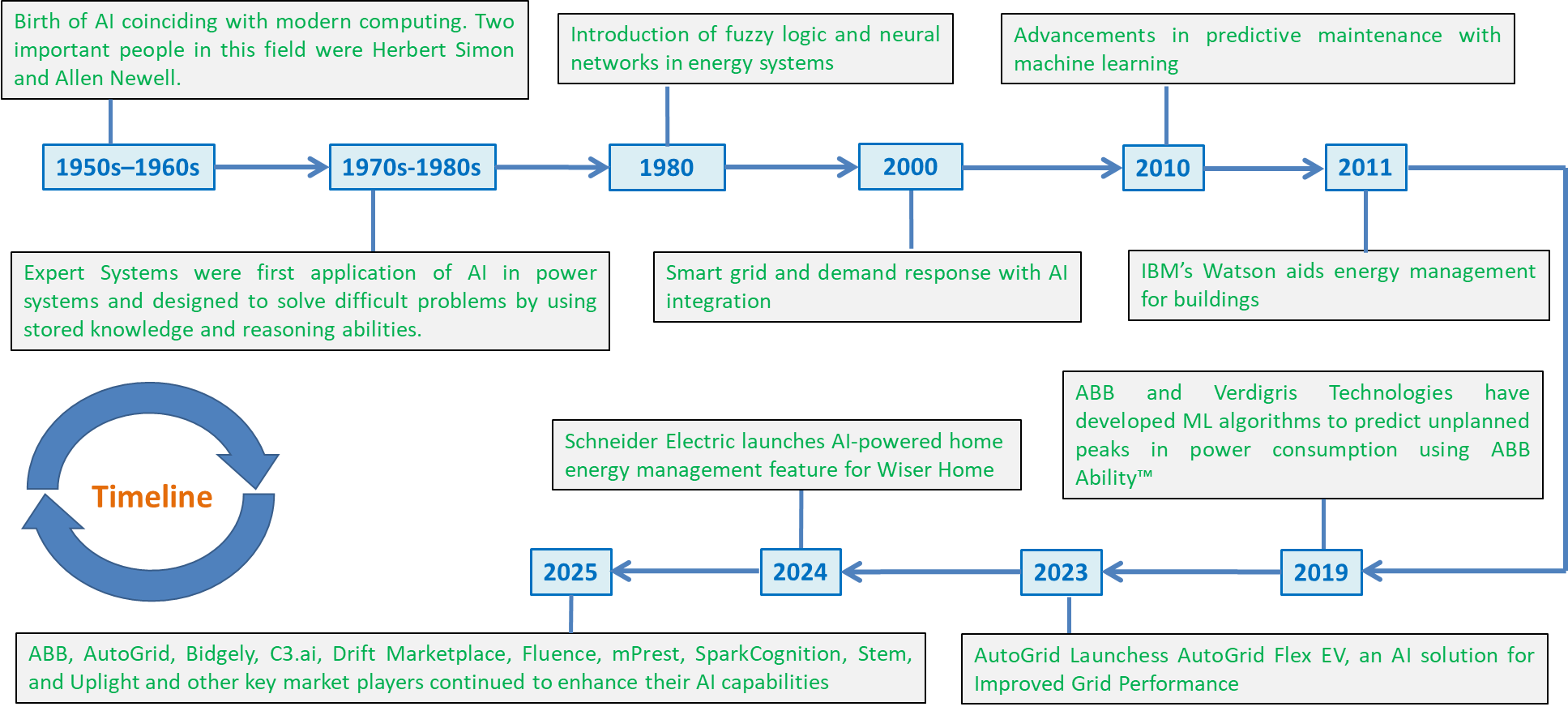
The development and deployment of AI technologies in electrical systems have accelerated markedly over the past decade. From 2011 to 2024, there has been consistent growth in patent filings and granted applications related to AI in power systems, signaling a strong innovation pipeline.
Commercial applications are now emerging across the globe, with AI being used for predictive maintenance, power flow optimization, renewable integration, and anomaly detection. Leading energy firms such as ABB, Schneider Electric, Siemens, and GE are not only investing in AI research but also forming strategic partnerships with startups to co-develop advanced energy management tools.
5.1 Market Analysis
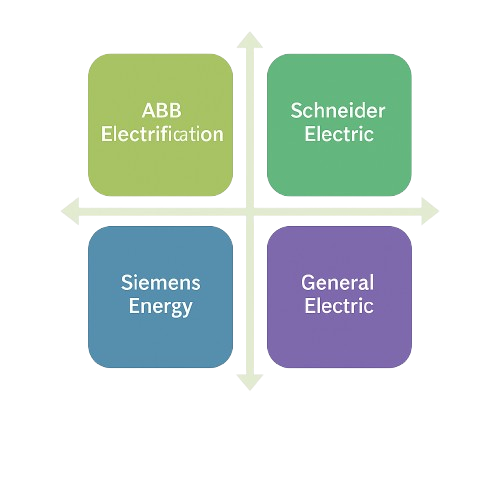
ABB Electrification
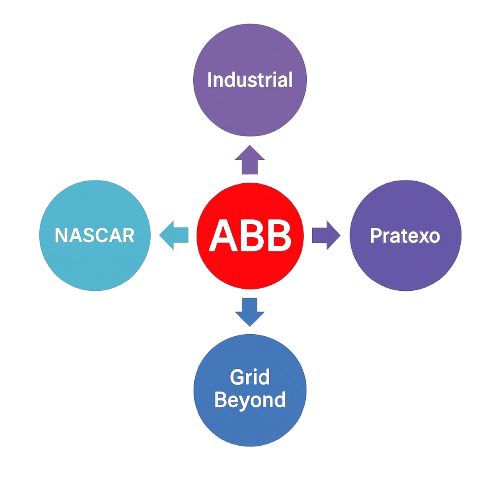
- ABB Electrification is partnering with startups to accelerate delivery of AI-powered energy management solutions for managing both energy demand and supply.
- In 2024, ABB Electrification partners with Ndustrial, a startup whose unique AI-driven energy management solution brings industrial customers precise visibility to the energy intensity of their production.
- ABB completes second investment in edge-to-cloud solution provider Pratexo. ABB and Pratexo co-developing digital solutions for next generation analytics to enable deeper understanding of complex power systems for maximum resilience and reliability.
- ABB invests $35 million in new U.K. earthing and lightning protection factory. The new state-of-the-art site is expected to open in early 2025 and will integrate advanced technology, flexible automation, R&D and testing, and digital processes to boost production capacity and enhance efficiency and sustainability.
Schneider Electric
- Schneider is using AI to transform energy management, reduce energy consumption, optimize energy demand, and support clean energy adoption. Their AI-driven solutions, like the EcoStruxure Microgrid Advisor, help manage energy systems more efficiently, contributing to sustainability goals.
- Starting with strategic projects like 3S-CS and DREAM, the momentum has grown through substantial EU-funded programs (e.g., ELECTRON, FLEXITRANSTORE, SABINA), each fostering advanced innovations in energy systems, cybersecurity, digital twins, and AI integration.
- ETAP and Schneider Electric Unveil World's First Digital Twin to Simulate AI Factory Power Requirements from Grid to Chip Level Using NVIDIA Omniverse.
Siemens Energy
- Since launching MindSphere in 2017—a cloud-based platform designed for energy management in grids—Siemens has continuously advanced its integration of AI in the energy sector.
- In 2018, Siemens partnered with SparkCognition, a global AI company, to deploy cutting-edge artificial intelligence solutions on the MindSphere platform.
- Most recently, in 2024, Siemens Energy advanced its AI innovation further by creating AI surrogate models using NVIDIA PhysicsNeMo, reinforcing its commitment to intelligent, scalable solutions for the future of energy.
- In 2025, Siemens Energy secured a landmark $1.6 billion power plant project in Saudi Arabia, where it will provide critical technologies—further reinforcing its role in shaping the future of global energy systems.
6. Benefits
The implementation of AI in smart grids brings a multitude of benefits to both utilities and consumers. Chief among these is the reduction of energy waste through optimized energy distribution and load management, leading to significant cost savings.
AI enables real-time monitoring and control of the grid, increasing responsiveness to demand fluctuations and improving the reliability and efficiency of power delivery. Enhanced flexibility in managing the power supply allows for better integration of renewable energy sources, supporting environmental sustainability efforts.
Additionally, AI contributes to improved energy storage optimization and periodic maintenance scheduling, ensuring smoother operations and fewer unplanned outages. These capabilities collectively promote a more sustainable and intelligent energy ecosystem.
7. Barriers and Challenges
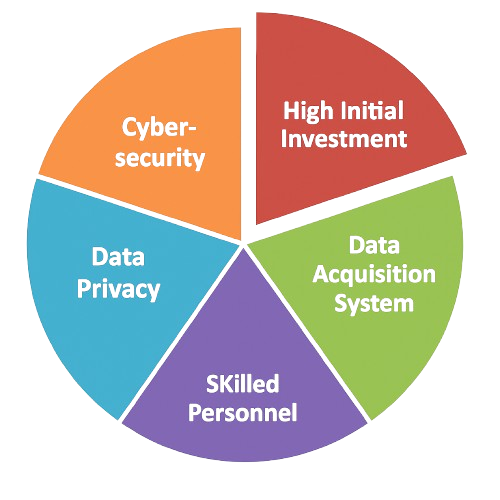
Despite its potential, the widespread adoption of AI in smart grids faces several technical, socio-economic, and regulatory hurdles. One of the primary challenges is the high initial investment required for infrastructure upgrades, data acquisition systems, and skilled personnel.
Furthermore, data privacy and cybersecurity concerns pose significant risks, especially with the increasing volume of sensitive information collected and transmitted across grid networks.
Regulatory frameworks in many regions are not yet fully aligned with the dynamic requirements of smart grids, creating uncertainties around compliance and implementation. There are also difficulties in managing the massive volumes of data generated, including issues related to data storage, accessibility, and quality.
Compounding these issues is the shortage of a skilled workforce capable of deploying and maintaining AI-driven solutions in power systems. The potential risk of cybersecurity attacks remains an ongoing threat, requiring robust, proactive security measures.
8. Conclusion
Artificial intelligence represents the linchpin of the smart grid revolution. It transforms passive energy systems into intelligent, self-optimizing networks capable of responding to dynamic grid conditions and user demands. From reducing operational costs and enhancing sustainability to improving power quality and reliability, AI delivers multifaceted value.
As this paper has outlined, major players in the industry are already leveraging AI to reshape the energy landscape. Yet, realizing AI's full potential demands addressing persistent challenges: high implementation costs, regulatory uncertainties, and cybersecurity risks.
A coordinated effort—combining policy reform, innovation funding, public-private collaboration, and workforce development—is essential. The roadmap to a resilient, efficient, and intelligent energy future is clear, and AI is the force driving it forward.


-Innovative-Applications-and-Insights.jpeg)


