1. Introduction
Our skin serves as a protective barrier and is an important body part in regulating bodily functions and well-being. Recent research has shown that the skin is a source of neurotransmitters, hormones, and peptides—once thought to exist only in the brain and nervous system. Skin cells like keratinocytes, fibroblasts, and melanocytes are all involved in this process, which help the skin to respond to both internal and external changes.
This discovery has led to the development of neurocosmetics, a new approach to skincare that focuses on the connection between the brain and the skin also called the skin-brain axis. Unlike traditional products that often contain harsh ingredients like alcohols, sulfates, and parabens which can damage the skin’s natural barrier, neurocosmetics aim to support the skin’s natural functions.
Neurocosmetics not only improve how the skin looks but also influence how it feels by helping in modulating stress, inflammation, or even muscle tension. As more people look for skincare that supports both appearance and overall well-being, neurocosmetics open new possibilities. This shift reflects a growing demand for skincare that goes beyond short-term solutions and focuses on long-term skin health and balance.
2. Neurocosmetics vs. Traditional Skincare Products
| Aspects | Neurocosmetic Products | Traditional Skincare Products |
|---|---|---|
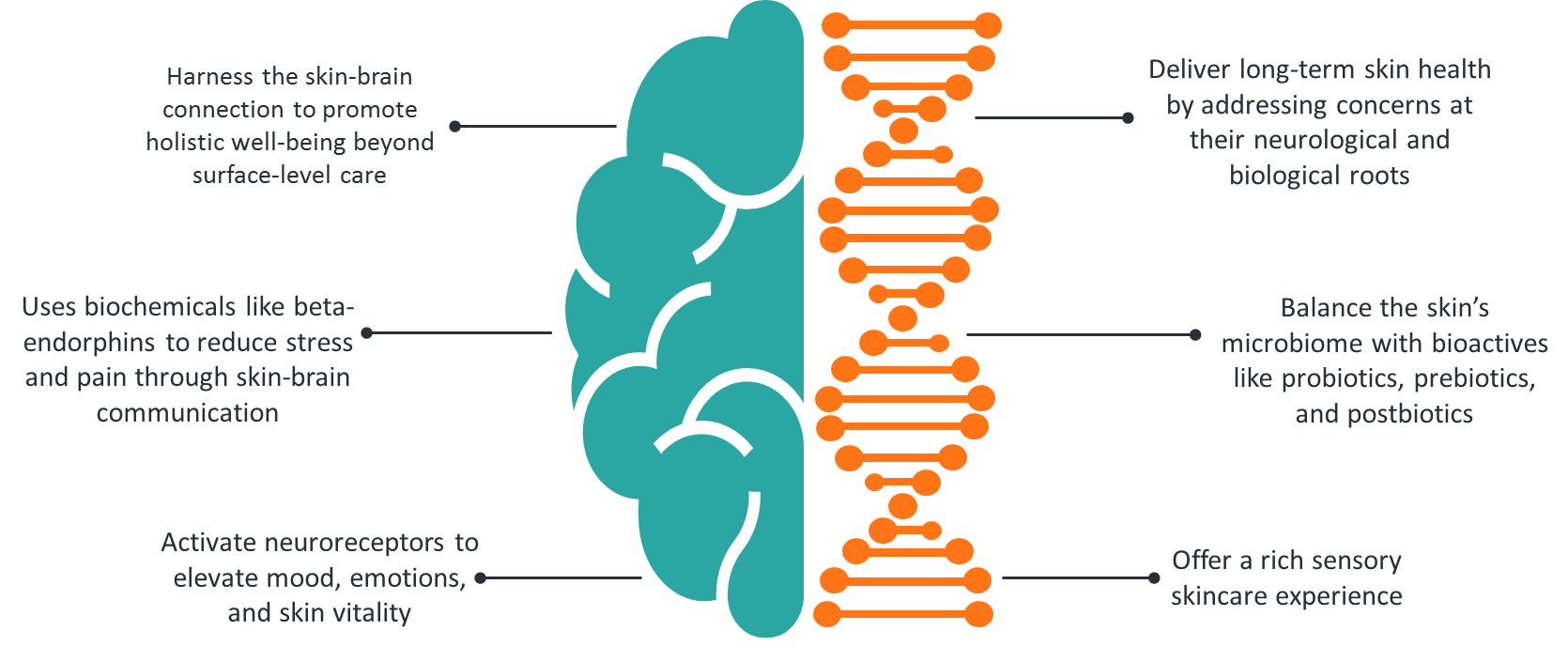
| Skin-Brain Connection | Recognize and harness the deep connection between the skin and the brain, promoting holistic well-being. Go beyond surface-level care, addressing deeper skin concerns through the brain-skin Connection. | Concentrates on applying products directly to the skin, often overlooking how these routines might affect mental well-being. Focus solely on surface-level concerns without addressing deeper, overall wellness. |
| Biochemical Products | Uses biochemicals like beta-endorphins to facilitate communication between the skin and brain, helping to relieve pain, and reduce stress. | Limited focus on using biochemicals. |
| Mechanism of Action | Engage with neuroreceptors to improve mood, emotions, and the overall health of the skin. | Typically do not target neuroreceptor interactions and instead focus only on the skin's surface layers. |
| Long-Term Skin Benefits | Offer long-term benefits by targeting skin concerns at their root, supporting deeper healing. | Provide short-term solutions that overlook the root causes, which can result in recurring skin issues over time. |
| Bioactive Ingredients | Uses bioactive ingredients like probiotics, prebiotics, and postbiotics to support and balance the skin’s natural microbiome. | Often contain chemical additives such as sulfates, alcohols, and parabens, which can disturb the skin’s natural balance. |
| Sensory Experience | Provides a sensory-rich skincare experience, recognizing the skin as a dynamic, living organ that responds to both physical and emotional care. | Mainly concentrates on the practical functions of skincare, often overlooking the sensory elements. |
3. How Stress Affects the Skin: The Role of Cortisol
Emotions, moods, and sensations are processed in the brain, which then communicates with the rest of the body—including the skin—via biochemical signals that can trigger physiological changes. When stress becomes chronic, skin cells continue to produce cortisol, also known as the stress hormone, leading to persistently high levels that can disrupt normal skin function. This sustained cortisol production can disturb the skin homeostasis, resulting in inflammation and a fatigued appearance. Restoring balance requires the activation of feedback mechanisms that reduce cortisol levels and reverse their effects, allowing the body to return to a normal physiological state.
Neurocosmetics may play a role in this process. Specifically, cortisol release is regulated by the hypothalamic–pituitary–adrenal axis. Because the skin and brain originate from the same embryonic tissue, skin cells can also generate cortisol in response to external stressors. The enzyme 11β-hydroxysteroid dehydrogenase type 1 (11β-HSD1) is responsible for converting inactive cortisone into active cortisol, thereby elevating cortisol levels in the skin under stress. This increase leads to collagen degradation and a reduction in cell proliferation. In aged skin or skin that is exposed to UV radiation, 11β-HSD1 activity tends to be higher, intensifying cortisol production. As stress levels rise, so does cortisol, potentially creating a cycle where visible signs of stress on the skin encourage a physiological stress response inside the body.
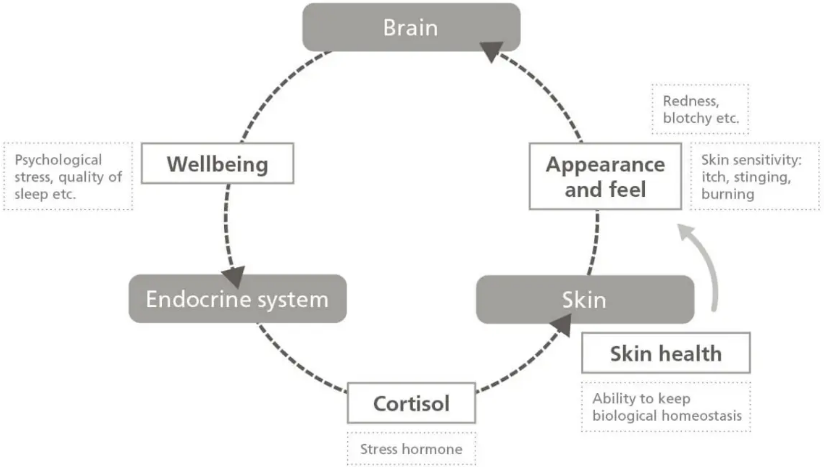
A key component in the skin-brain communication network is the endocrine system. This system functions as a hormonal messaging network, involving feedback loops where hormones are secreted by internal glands directly into the body. These hormones significantly impact the functioning of organs, including the skin.
4. How Neurocosmetics Work: Underlying Mechanisms
1. Neurotransmitter Interaction: The skin has a range of neurotransmitter receptors and neuromediators like serotonin, dopamine, corticotropin-releasing hormone, substance P, and β-endorphins. These molecules are found in the nerve endings of the skin and are also produced by cells such as keratinocytes, melanocytes, and immune cells suggesting a locally controlled neuroendocrine system within the skin itself. Applying certain compounds topically like peptides that act as acetylcholine antagonists for example, acetyl hexapeptide-8 or ingredients that elevate β-endorphin production, has been shown to reduce stress-induced skin sensitivity and muscle tension, leading to visible improvements and a sense of psychological comfort.
2. Receptor Agonism: Cannabinoid receptor agonists that target CB1 and CB2 receptors in the skin have demonstrated potential in relieving itching, pain, and inflammation, while also influencing mood. The field of neurosensory cosmetics has grown to incorporate active ingredients that impact skin mechanoreceptors and transient receptor potential channels, which play a role in thermal sensation and tactile perception. This kind of sensory stimulation may help in regulating emotions through skin application, particularly when paired with smell and touch sensations.
5. Active Ingredients Commonly used in Neurocosmetic Formulations
| Category | Ingredient | Effects |
|---|---|---|
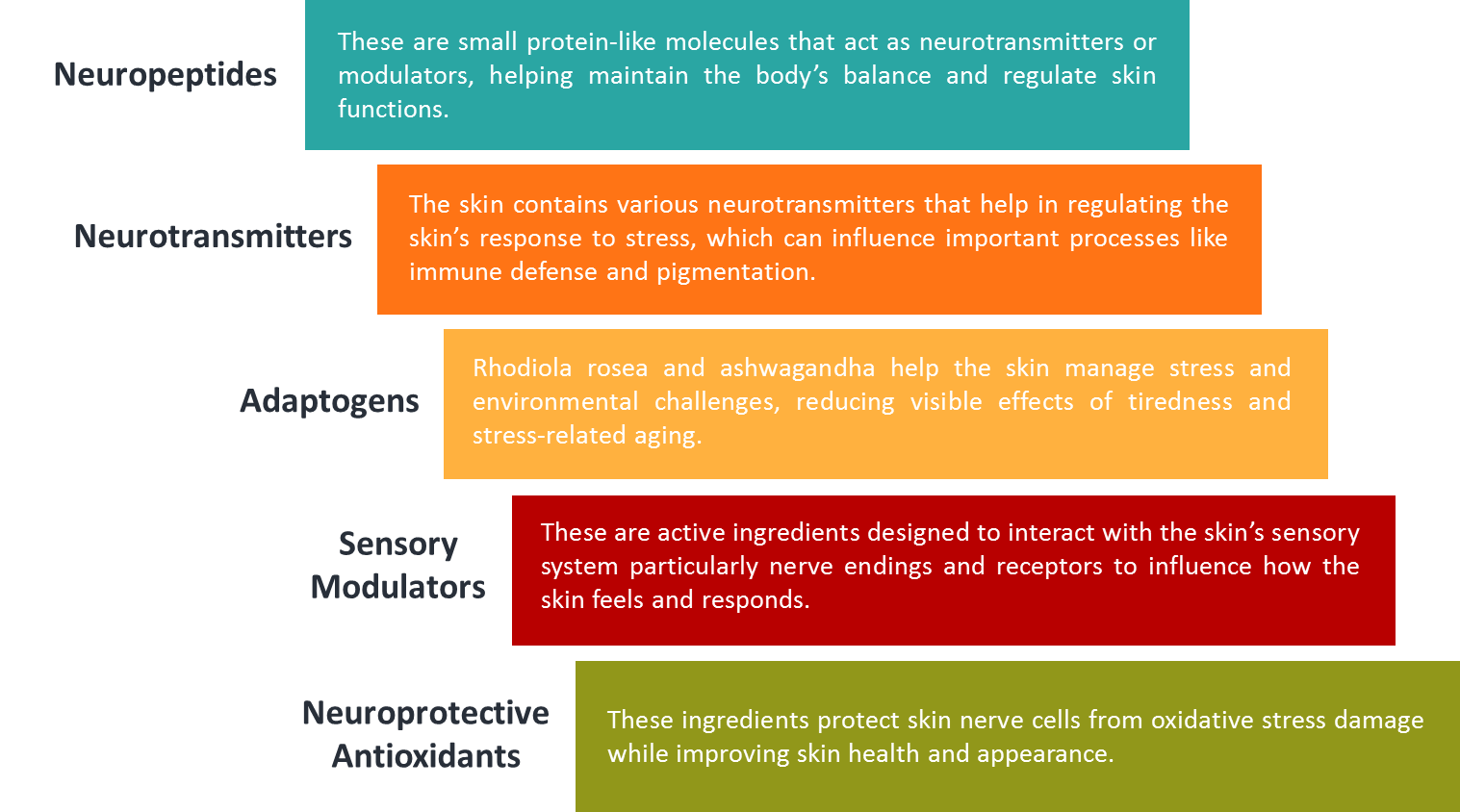
| Neuropeptides | Acetyl hexapeptide-8 (argireline) | Mimic the effect of botulinum toxin as it prevents the formation of wrinkles by inhibiting the release of the neurotransmitter at the neuromuscular junctions. |
| Palmitoyl peptides | Possess anti-inflammatory effects and help strengthen the skin’s resilience and promote its repair. | |
| Copper tripeptide-1 | Enhances hydration, minimizes water loss through the skin, and aids in skin renewal. | |
| Sh-pentapeptide-5 | Functions as a biomimetic endorphin and presynaptic muscle relaxant, producing a smoothing effect similar to botulinum toxin. | |
| Neurotransmitters/Modulators | Gamma-aminobutyric acid | Calms the skin by controlling keratinocyte proliferation and reducing neurosensory activity. |
| Niacinamide (vitamin B3) | Promotes neurotransmitter function, aids in repairing the skin barrier, and reduces inflammation. | |
| Plant Adaptogens and Extracts | Ashwagandha extract | Decrease cortisol levels and improve stress-induced skin aging. |
| Rhodiola extract | Increases endorphin levels, uplifts mood, and comforts the skin. | |
| Cannabidiol | Display anti-inflammatory properties and regulate the skin’s endocannabinoid system. | |
| Lavender and chamomile essential oils | Provide aromatherapeutic benefits that encourage relaxation and helps reduce anxiety. | |
| Sensory Modulators | Vanillyl butyl ether | Stimulates thermoreceptors, causing warming and increased blood flow. |
| Neuroprotective Antioxidants | Melatonin | Contains antioxidants and may affect mood as well as circadian regulation. |
| Lycopene | Acts as a powerful antioxidant, shielding the skin from oxidative stress and environmental damage. |
6. Skin Health Challenges and Neurocosmetic Solutions
6.1 Skin Barrier Function
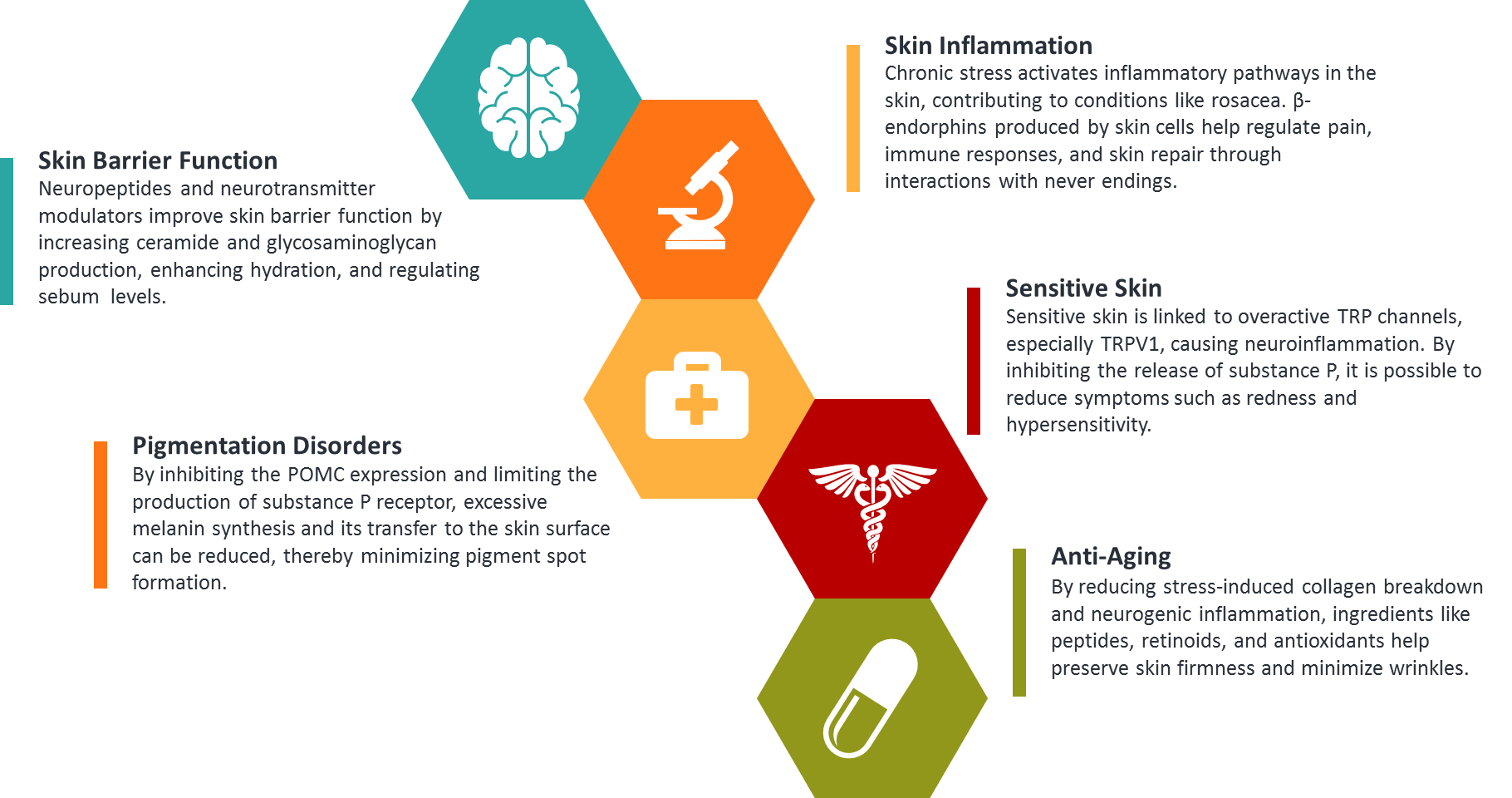
Targeting neuronal pathways has emerged as a promising approach to enhance skin barrier function and hydration. Neuropeptides like Skinasensyl have been shown to stimulate the synthesis of barrier lipids, including ceramides, which are essential for maintaining skin integrity and moisture retention. Additionally, the regulation of neurotransmitters plays a role in controlling sebum activity; for instance, compounds that interact with the endocannabinoid system, such as cannabidiol (CBD), have been found to help balance sebum production and improve the appearance of acne-prone skin. Furthermore, neuropeptides such as copper tripeptide-1 Glycyl Histidyl Lysine-Cu (GHK-Cu) can enhance skin hydration by promoting the production of glycosaminoglycan, thereby reducing transepidermal water loss.
6.2 Pigmentation Disorders
One of the most noticeable signs of aging and skin damaged by sun exposure is the appearance of pigment spots. Recent research highlights that cellular stress within the skin plays a key role in the development of these dark spots. The protein p53, often referred to as the “stress protein” due to its increased levels during cellular stress, is crucial for cell survival. Studies have shown that p53 directly controls the expression of proopiomelanocortin (POMC), a precursor for α-Melanocyte-Stimulating Hormone (α-MSH), which activates the process of melanin production called melanogenesis. By inhibiting POMC expression, the excessive production of melanin can be prevented, thereby reducing the formation of pigment spots. Melanin is produced within melanocytes, which transfer the pigment to keratinocytes through dendritic extensions. These melanocytes are also connected to nerve fibers that release neuropeptides. When neuropeptides bind to their specific receptors on the surface of melanocyte dendrites, they stimulate melanin synthesis and/or its transfer to keratinocytes. Specifically, the neuropeptide substance P binds to the tachykinin receptor 1 (TacR1), also known as neurokinin 1 receptor (NK1R) or substance P receptor (SPR), located on melanocyte dendrites. This interaction promotes the movement of melanin to the skin’s upper layers. Limiting the length of dendrites and the production of substance P receptors may reduce the amount of melanin transferred to the skin surface, thereby diminishing pigment spot formation.
Agents that influence serotonin pathways have proven beneficial in managing melasma and various other pigmentation disorders. Oligopeptide-34, a synthetic peptide, works by inhibiting tyrosinase activity, which in turn decreases melanin synthesis. This represents a new neurocosmetic approach for achieving skin lightening.
6.3 Skin Inflammation
Chronic stress has been reported to influence the activity of NF-κB (nuclear factor kappa-light-chain-enhancer of activated B cells), a key transcription factor in skin keratinocytes. This can lead to elevated levels of cytokines, chemokines, and inducible nitric oxide synthase (iNOS), resulting in cell inflammation, redness, dehydration, and a dull skin appearance. These effects can be seen in individuals with rosacea-prone skin. Research suggests that antagonists of Corticotropin-Releasing Hormone (CRH) may help counteract stress-related skin inflammation and may be a potential treatment for conditions like rosacea.
The skin produces β-endorphins, the opioid peptides that also function in the central nervous system to relieve pain. These peptides act on opioid receptors to block pain signals from the source of the pain (nociceptor), to reaching the spinal cord and are linked to feelings of euphoria. In addition to their role in the nervous system, β-endorphins interact with immune cells, helping regulate immune responses, and are present in skin cells where they support skin repair and regeneration.
Research by Bigliardi et al. (2002) highlights the role of skin’s β-endorphins in communication with peripheral nerve endings. These findings revealed that keratinocytes expressing β-endorphins tend to cluster near the endings of afferent C-fibers, nerve fibers responsible for transmitting sensations like pain, heat, and cold to the central nervous system. Additionally, they identified µ-opiate receptors within nerve fibers located in both the dermis and epidermis. This suggests that keratinocytes might directly interact with the nervous system through this opioid receptor system, presenting new possibilities for treating inflammatory skin disorders such as atopic dermatitis and psoriasis.
6.4 Sensitive Skin
The term "sensitive skin" refers to a multifaceted dermatological condition characterized by abnormal sensory symptoms. According to the International Forum for the Study of Itch (IFSI), it is defined as “a syndrome defined by the occurrence of unpleasant sensations (stinging, burning, pain, pruritus, and tingling sensations) in response to stimuli that normally should not provoke such sensations.” These symptoms are believed to be linked to increased activity in the skin’s nerve fibers, particularly due to the over activation of certain transient receptor potential (TRP) channels.
Among these, the TRPV1 (transient receptor potential vanilloid 1) channel is of particular interest, as it plays a key role in neuroinflammation and contributes to persistent inflammation and localized redness. Targeting neurogenic inflammation pathways, particularly by inhibiting the release of pro-inflammatory neuropeptides like substance P, has shown potential in reducing symptoms such as redness and hypersensitivity. Additionally, the development of neurotransmitter modulators offers new ways for alleviating discomfort such as itchiness and pain. Topical cannabinoid receptor agonists have also demonstrated anti-itch properties, presenting a promising neurocosmetic approach to managing pruritic skin conditions.
6.5 Anti-Aging
Neurocosmetics play a significant role in combating the visible signs of aging by targeting stress-related factors that accelerate skin deterioration. Chronic stress is known to break down collagen and elastin fibers which lead to wrinkles, sagging, and loss of skin elasticity. By modulating the skin’s response to stress, neurocosmetic products help preserve collagen levels, maintain firmness, and support overall skin health. Peptides contribute to collagen synthesis and strengthen the skin barrier, enhancing resilience and reducing signs of aging. Other active ingredients such as retinoids and antioxidants help stimulate skin renewal and protect against oxidative damage, which is a key contributor to premature aging.
Stress impacts the skin not only through hormonal changes but also by triggering neurogenic inflammation, which accelerates cellular aging. By inhibiting stress-induced signals and reducing inflammation at the neural level helps diminish fine lines, improve skin tone, and maintain a youthful appearance.
7. Safety and Regulatory Considerations
Neuroactive compounds such as peptides and neurotransmitter modulators may penetrate the skin and enter systemic circulation, posing potential risks. Standardized in vitro and in vivo testing methods, including advanced 3D skin models with sensory neurons, are essential to assess absorption and off-target exposure. Long-term use of neurocosmetic products may disrupt skin balance, potentially causing desensitization, inflammation, or sensitization. Therefore, extended safety evaluations are necessary.
In the European Union, products affecting skin nerves may be regulated as medicinal items, requiring extensive safety and efficacy data. In contrast, the U.S. treats them as cosmetics unless therapeutic claims are made. This creates a regulatory gray area, especially for products targeting neural pathways for anti-aging, pigmentation, or sensitive skin relief.
8. Conclusion & Future Outlook
Neurocosmetics mark a promising shift in skincare by addressing the complex communication between the skin and nervous system. By targeting neurochemical pathways, these products go beyond surface-level care to promote long lasting skin health and emotional balance. While challenges around safety and regulation remain, the growing scientific understanding and consumer interest suggest neurocosmetics will play a vital role in the future of skincare, offering more effective and holistic solutions for a wide range of skin concerns.
As neurocosmetics continue to gain attention, future efforts must focus on transforming current scientific concepts into well validated clinical applications. Involving creating standardized testing protocols to assess the impact of neuroactive topicals on skin neuromediator levels and psychological well-being. Long-term studies integrating both dermatological and emotional outcomes using tools like psychometric assessments will be the key to establishing their efficacy.
Future innovations are likely to emphasize customized solutions that promote both visible skin improvements and inner well-being, making neurocosmetics a key part of treating both the skin and overall well-being together.