Software IP Protection: How to Choose Between Patents and Copyright
Protecting software is one of the most critical concerns for startups, SaaS companies, and independent developers. With increasing competition and rapid innovation, understanding copyright vs. patents for software can help you safeguard your intellectual property and avoid costly legal mistakes.
In this guide, we'll break down the difference between copyright and patent protection, explain how each applies to software, and help you choose the right legal shield for your product.
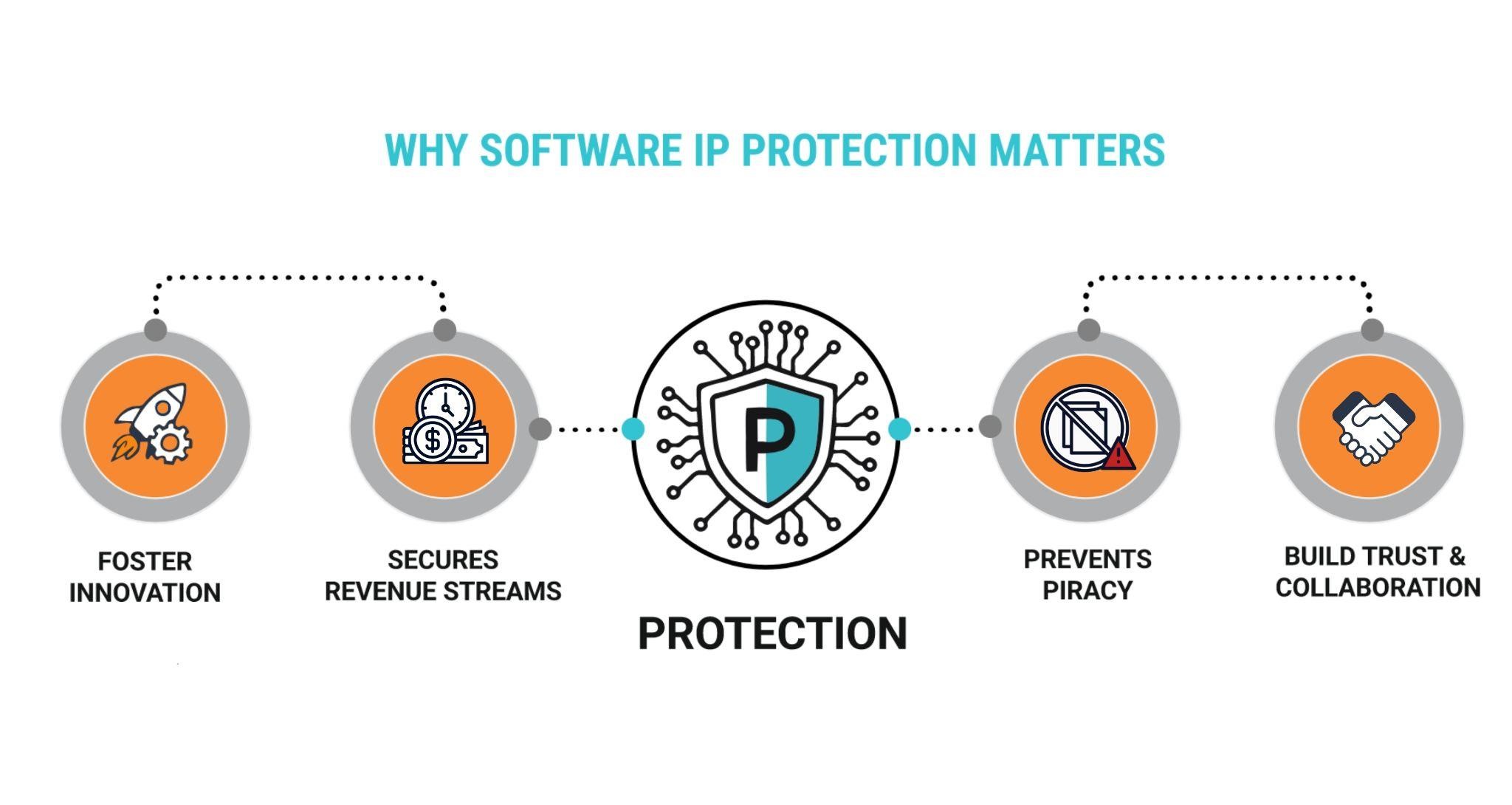
Why Software Intellectual Property Protection Matters
Software is more than just code—it's a business asset. Without proper protection, competitors can copy your ideas, features, or user experience.
What Is Copyright Protection for Software?
Understanding Copyright for Software Code
Copyright is a legal protection that covers original creative works, including software source code, object code, and documentation.
When you write software, copyright protection automatically applies the moment the code is created and saved in a tangible form.
What Copyright Protects
✔ Source code and object code
✔ Software documentation and manuals
✔ UI text, graphics, and layouts
✔ Databases (if creatively structured)
What Copyright Does NOT Protect
✘ Software ideas or concepts
✘ Algorithms or system logic
✘ Functional processes
✘ Methods of operation
Benefits of Copyright Protection for Software
- Automatic protection (no registration required)
- Low cost and easy enforcement
- Long duration (author's life + 70 years)
- Protects against direct copying or plagiarism
Limitations of Copyright
- Does not stop competitors from recreating functionality
- Cannot protect software innovations or logic
- Limited defense against reverse engineering
What Is a Software Patent?
Understanding Software Patents
A software patent protects novel, non-obvious, and useful inventions related to software functionality or processes.
Unlike copyright, patents protect the underlying idea or method, not just the expression.
What a Software Patent Can Protect
✔ Unique algorithms
✔ Technical processes
✔ Software-based inventions
✔ Business methods (in some jurisdictions)
Requirements for Software Patent Protection
To qualify for a patent, your software must be:
1. Novel — Not publicly disclosed
before
2. Non-obvious — Not an obvious
improvement
3. Useful — Has a practical
application
Duration of a Software Patent
- Typically 20 years from the filing date
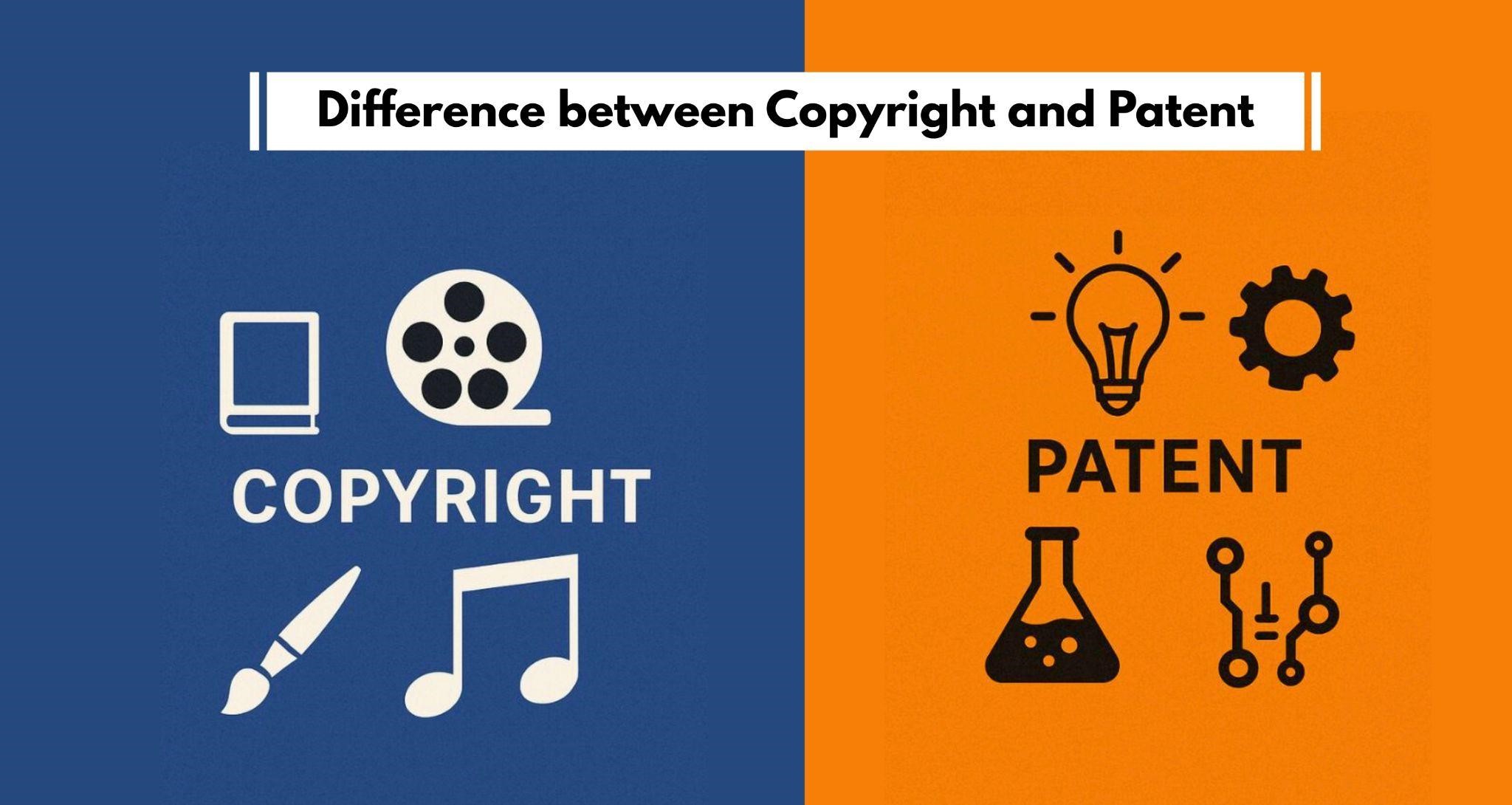
Copyright vs. Patents: Key Differences Explained
| Feature | Copyright | Patent |
|---|---|---|
| Protects | Code expression | Software functionality |
| Covers ideas? | ✘ No | ✔ Yes |
| Cost | Low | High |
| Registration | Optional | Mandatory |
| Duration | Life + 70 years | 20 years |
| Enforcement | Easier | Stronger but complex |
Which Is Better for Software: Copyright or Patent?
Choose Copyright If:
• You want quick, affordable protection
• Your concern is code copying
• You are a freelancer or small business
• Your software is not highly innovative
Choose a Patent If:
• Your software introduces a new technical
solution
• You want to block competitors from using your
idea
• You have long-term commercial plans
• You can afford legal and filing costs
💡 Best practice: Many companies use both copyright and patents for layered protection.
Can You Protect Software with Both Copyright and Patent?
Yes. In fact, this is often the most effective strategy.
- Copyright protects the source code
- Patent protects the innovative functionality
This dual approach provides maximum intellectual property coverage and increases business valuation.
Copyright vs. Patents for Startups and SaaS Companies
Startups often begin with copyright protection due to its simplicity. As the product matures and proves market value, patent filings become more viable.
SaaS Protection Strategy
| Protection Type | What It Covers |
|---|---|
| Copyright | Codebase, UI, content |
| Patent | Backend processes, algorithms |
| Trademark | Brand name and logo |
Common Mistakes to Avoid
✘ Assuming copyright protects ideas
✘ Publicly disclosing software before patent filing
✘ Ignoring IP protection in early stages
✘ Relying on NDAs alone
Final Thoughts: Choosing the Right Shield for Your Software
Understanding copyright vs. patents is essential for protecting your software investment. While copyright offers quick and affordable protection for code, patents provide powerful exclusivity over innovative functionality.
For most businesses, the smartest approach is strategic layering—using copyright, patents, and trademarks together to build a strong intellectual property foundation.
For startups looking to protect their innovations, strengthen their IP strategy, and navigate complex intellectual property regulations, partnering with an experienced Intellectual Property Law Firm can provide the right legal guidance and long-term protection.
Frequently Asked Questions (FAQs)
Is software automatically copyrighted?
Yes. Software code is automatically protected under copyright law once it is written and saved.
Can I patent my software idea?
You cannot patent an idea alone. It must be a novel, functional, and technical invention.
Is copyright enough to protect my app?
Copyright protects your code but does not stop competitors from copying your app's functionality.
How much does a software patent cost?
Software patents can cost anywhere from $10,000 to $30,000+, depending on complexity and jurisdiction.
Can open-source software be copyrighted?
Yes. Open-source software is copyrighted, but it is distributed under specific licensing terms.
Should startups file patents early?
Only if the software is truly innovative and has long-term commercial potential.






-Sensors-Next-Generation-Flexible-Devices/Wrinkled-Silver-Nanowire-AgNW-Sensors-Next-Generation-Flexible-Devices.png)
