Executive Summary
Plasma treatment is an innovative technology with promising applications spanning agriculture, medicine, water purification, and materials science. Plasma-activated liquids (PALs), created by exposing water or saline to non-thermal plasma, offer a practical and scalable alternative to direct plasma exposure. PALs retain their antimicrobial and bioactive efficacy due to stable reactive species like hydrogen peroxide and nitrates. These reactive species preserve plasma's antimicrobial, antiviral, and bioactive effects, without the need for direct exposure to plasma sources. This makes PALs safer, easier to apply, and more practical for a wide range of applications.
1. Introduction
Plasma medicine is a rapidly growing field that leverages the principles of plasma science and engineering for various biomedical applications.
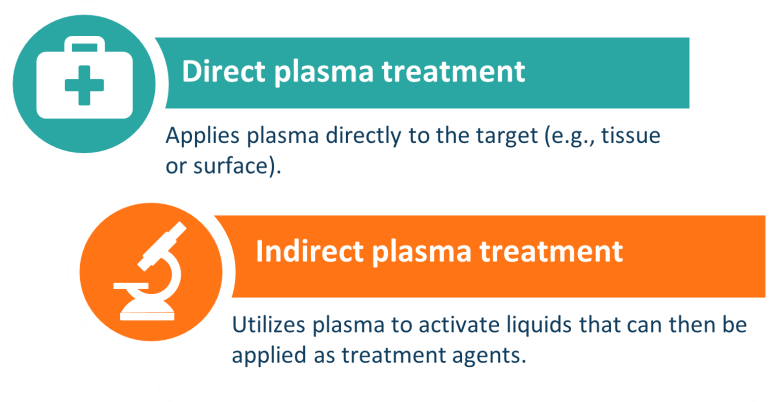
Plasma-activated liquids (PALs) are created by exposing liquids—such as deionized water, saline, or culture media—to cold atmospheric plasma (CAP). This process generates a complex mixture of reactive oxygen and nitrogen species (RONS) within the liquid, which are the primary mediators of PALs biological activity, such as nitrate and nitrite ions, superoxide, hydroxyl radicals, and hydrogen peroxide. These species, when act directly on target cells, are considered direct plasma treatment and when they are transferred into a liquid medium to form plasma‑activated liquid (PAL), they are considered indirect plasma treatment.
Importantly, the composition and concentration of RONS within PALs can be precisely tuned by adjusting plasma parameters such as gas composition, applied voltage, exposure duration, and the distance between the plasma source and liquid surface.
Owing to their stability, ease of storage, and versatility, PALs are gaining increasing attention in diverse domains including infection control, wound healing, oncology, agriculture, food safety, and environmental decontamination.
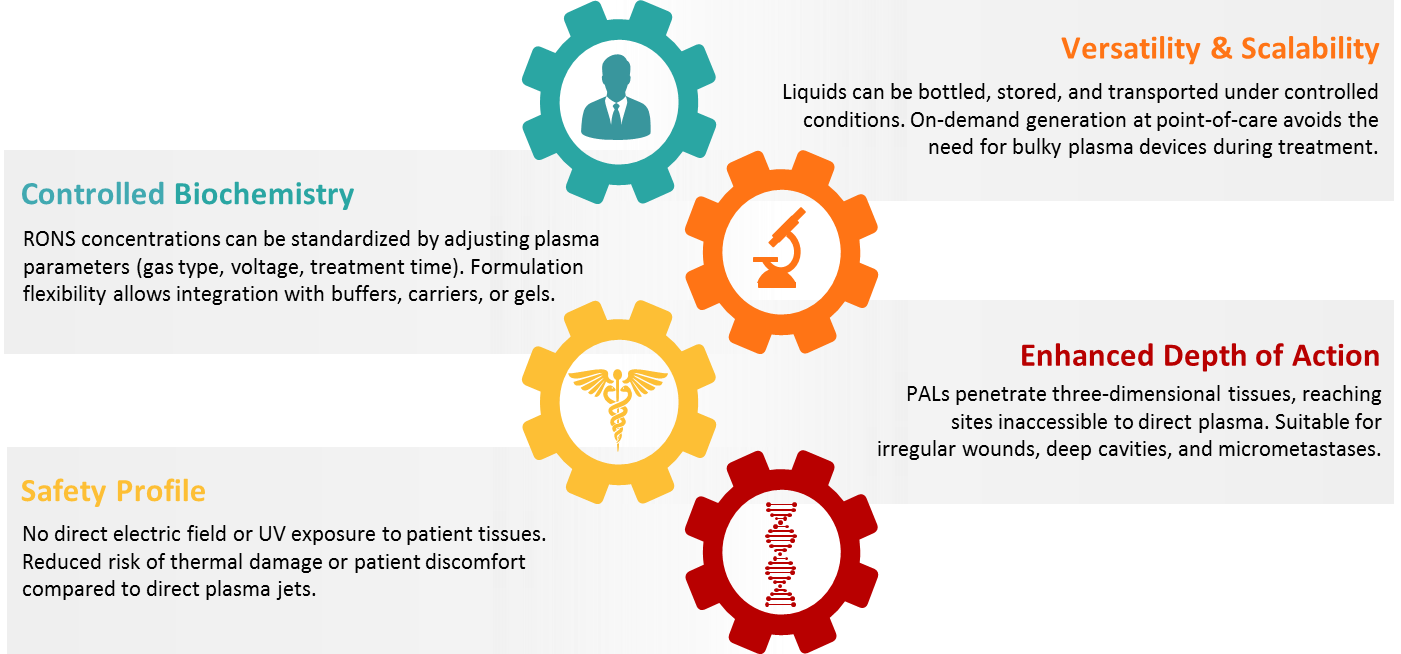
2. Benefits of PALs
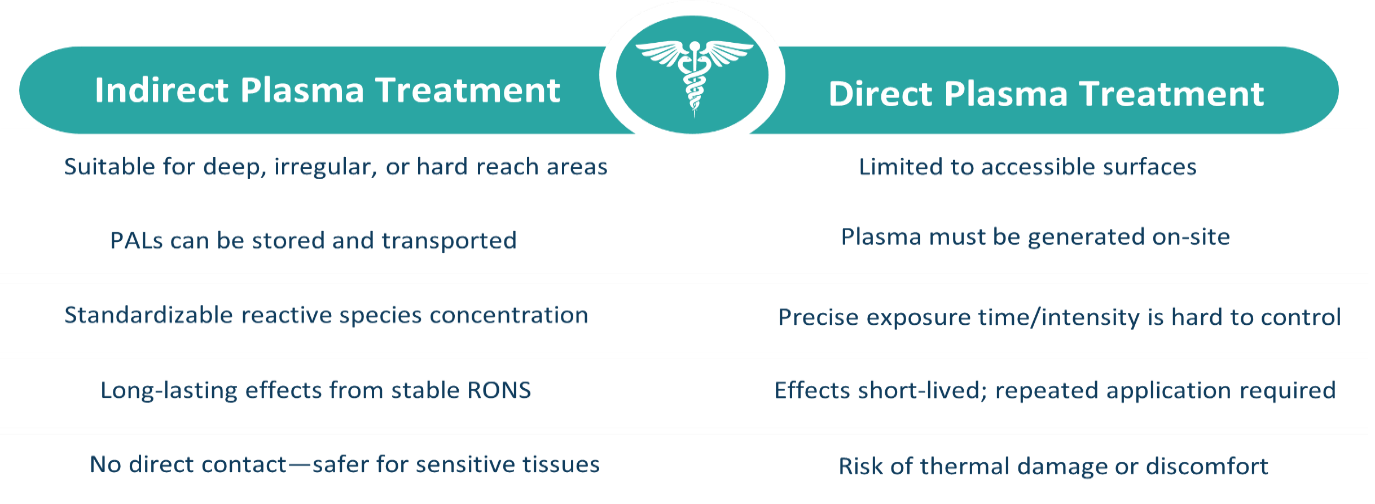
3. Advantages of Indirect Plasma Treatment
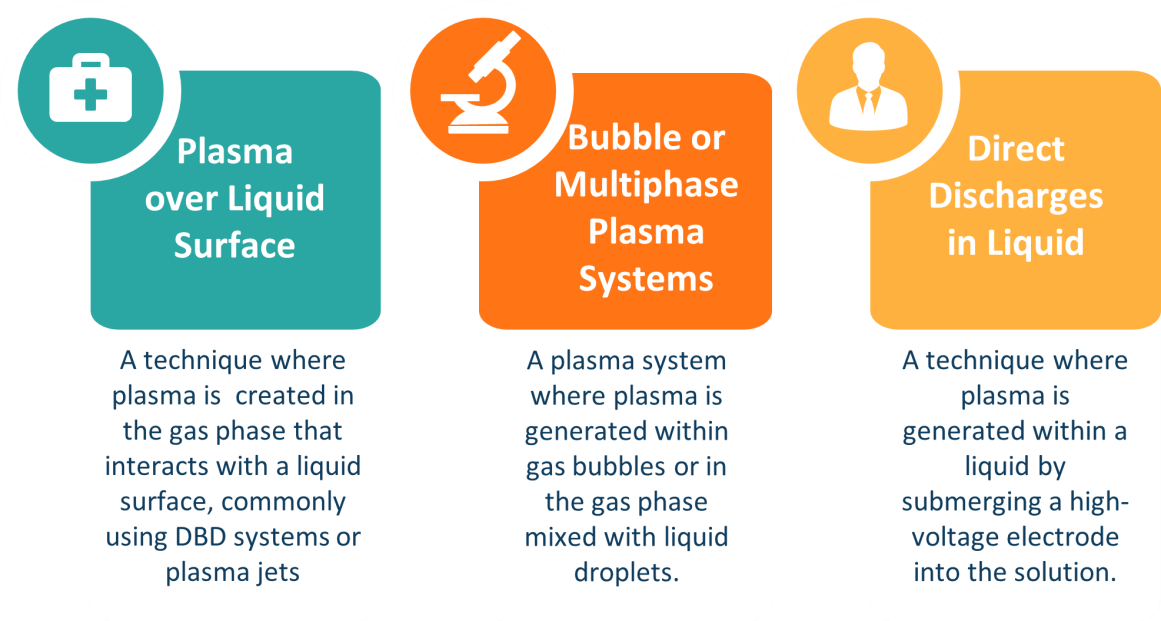
4. Methods for Generating PALs
Various systems are available for generating PALs, each characterized by different properties.
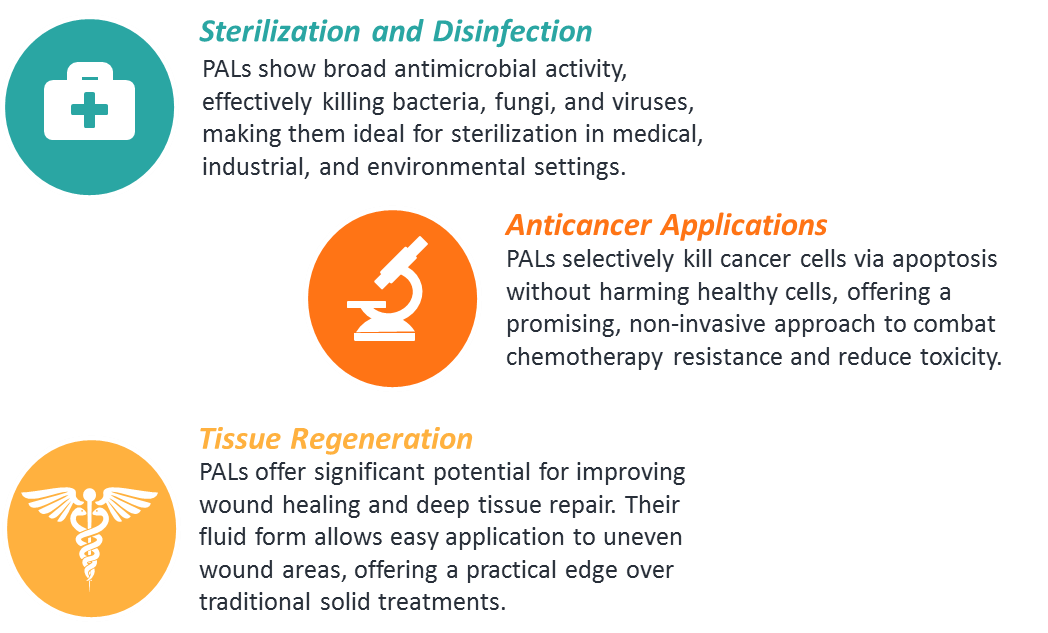
5. Applications of PALs
The unique properties of PALs make them suitable for a range of applications across healthcare, agriculture, and environmental fields.
6. IP Activity in Plasma-Activated Liquids
As part of our analysis of patent activity in plasma-activated liquid technologies, an IP landscape study was conducted to identify patents related to the generation and preparation of plasma-activated liquids. A total of 1405 patents application were analyzed and 290 patent applications were selected for final analysis.
6.1 Relevant keywords, synonyms and classes used for search
- Plasma activated liquids, Plasma activated solution, Plasma activated water, PALs
- Generation, preparation, prepare, produce, production, create
- Wound Treatment, Wound Healing, Wound Recovery, Tissue Regeneration, Tissue Restoration, Anticancer, Cancer Treatment, Antitumor, Disinfection, Sterilization
- Relevant patent classification includes H05H1/2406, A61L2/14, H05H1/24, H05H1/247, H05H2245/20, H05H2245/36, H05H1/245, C02F2305/023, H05H2245/34
6.2 Graphical Analysis from the identified patents (450 patent applications):
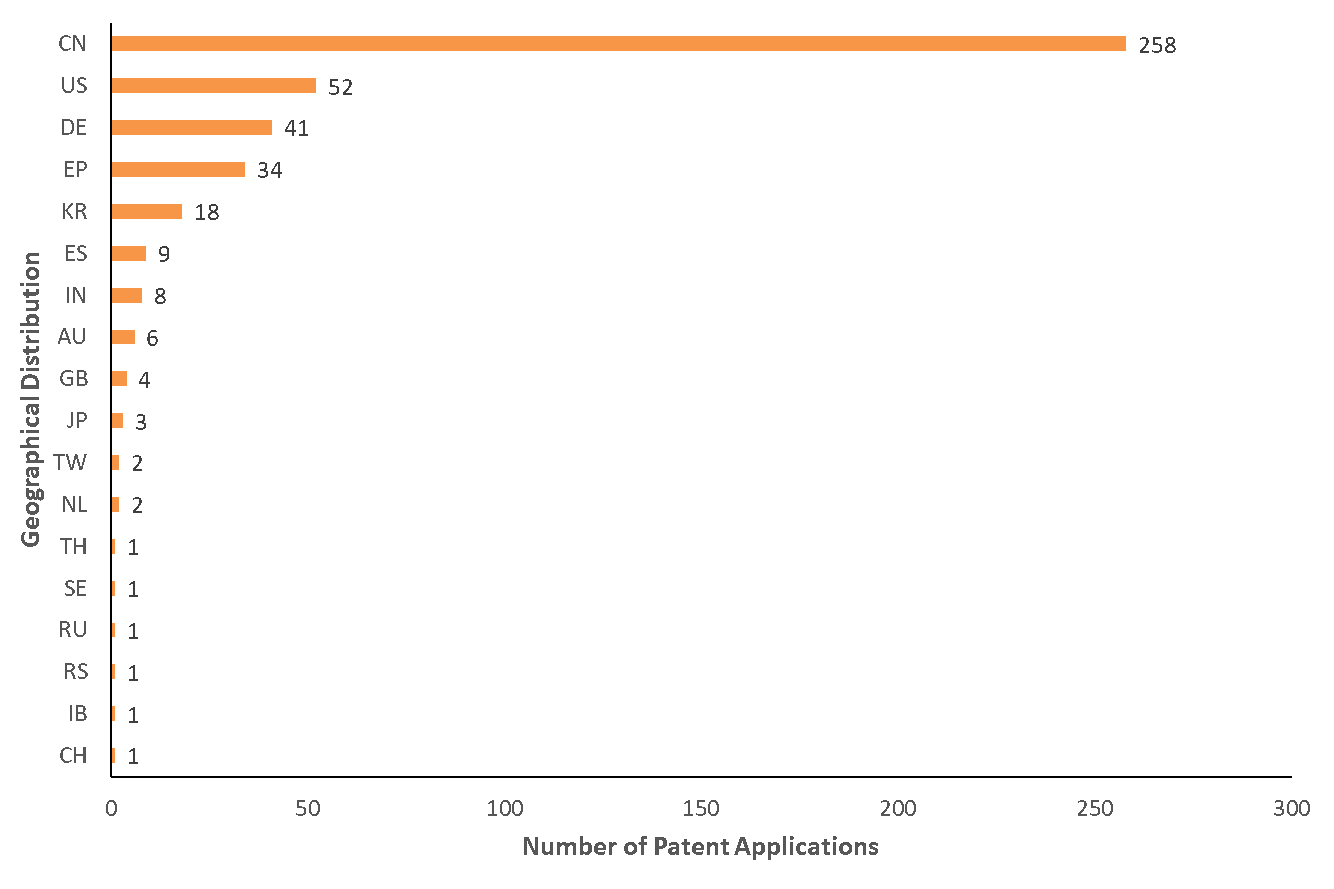
Figure 7 shows the distribution of patents across priority countries, providing insight into major R&D locations for Plasma-activated liquids, China has most patents i.e., 258, followed by US with 52 patents. The top assignee Xian Jiaotong University holds most patents in Chinese Jurisdiction.
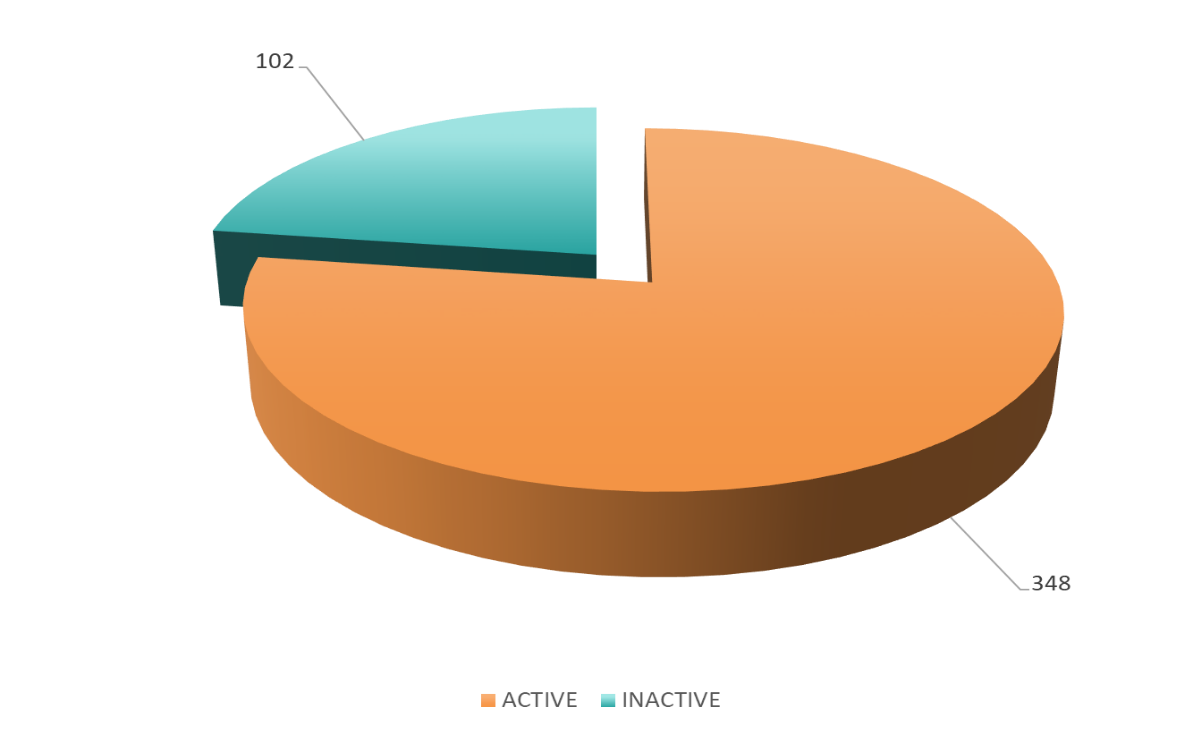
Figure 8 shows a pie chart demonstrating the total number of active and inactive patents, with 348 patents categorized as "Active" and 102 as "Inactive".
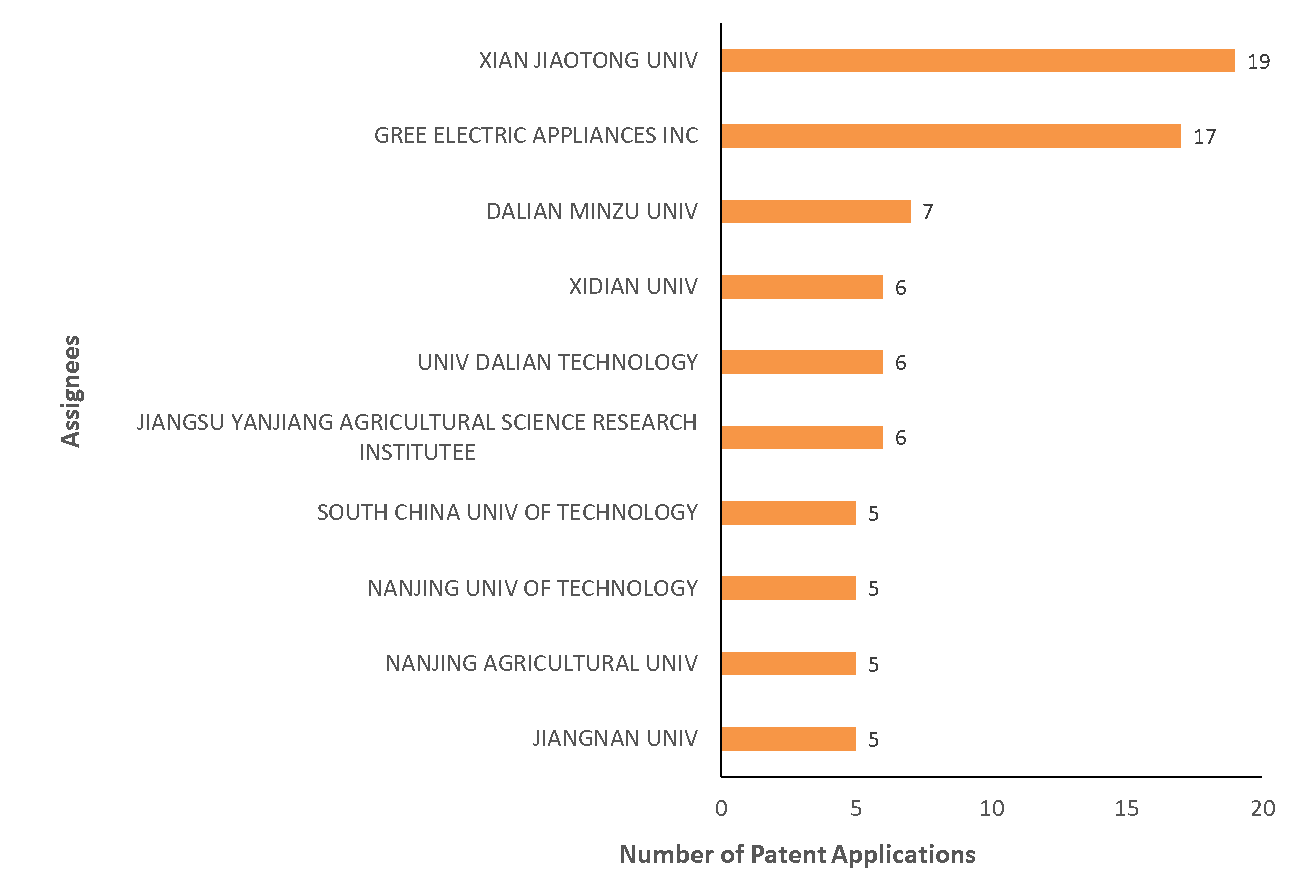
Figure 9 Shows top patent assignees, with the Xian Jiaotong University leading with 19 patents, with focus on generation of Plasma Activated Liquids (PALs) for disinfection and sterilization applications along with anticancer application. Followed by the Gree Electric Appliances Inc with 17 patents with focus on disinfection and sterilization of surfaces.
7. Market and Commercial Outlook
Cold Plasma Market Size: The cold plasma market size is forecast to increase by USD 2.27 billion, at a CAGR of 15.7% between 2023 and 2028.
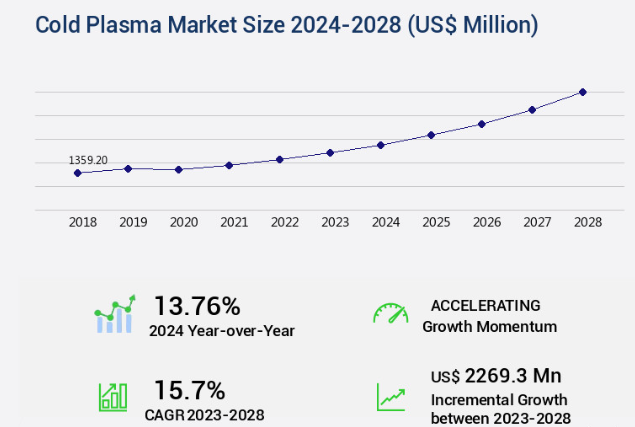 Source:
https://www.technavio.com/report/cold-plasma-market-analysis
Source:
https://www.technavio.com/report/cold-plasma-market-analysis
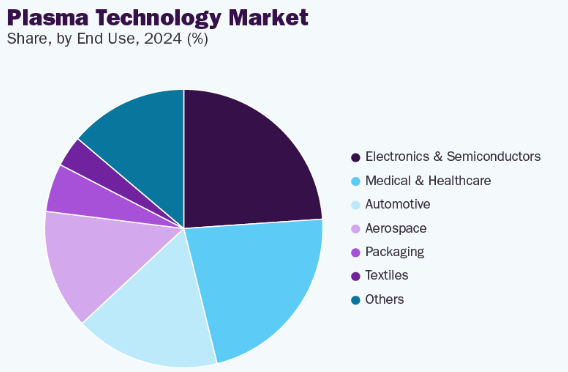
The plasma market covers a wide range of applications, from cleaning and catalysis to agriculture, surface activation, synthesis, waste processing, and chemical kinetics. Industry estimates valued the global plasma market at USD 3.5 billion in 2020, with a projected CAGR of 12% from 2021 to 2026.
 Source:
https://www.grandviewresearch.com/industry-analysis/plasma-technology-market-report
Source:
https://www.grandviewresearch.com/industry-analysis/plasma-technology-market-report
From the pie chart it can be seen that Plasma Technology is widely used in medical and healthcare and is close to electronics & semiconductors. In the future, the market is expected to grow by around 25% in revenue. This growing is expected due to the rising demand for sustainable and efficient surface treatment solutions across sectors such as electronics, healthcare, and energy.
8. Future Outlook and Research Directions
Plasma-activated liquids (PALs) show good potential but few challenges and opportunities remain:
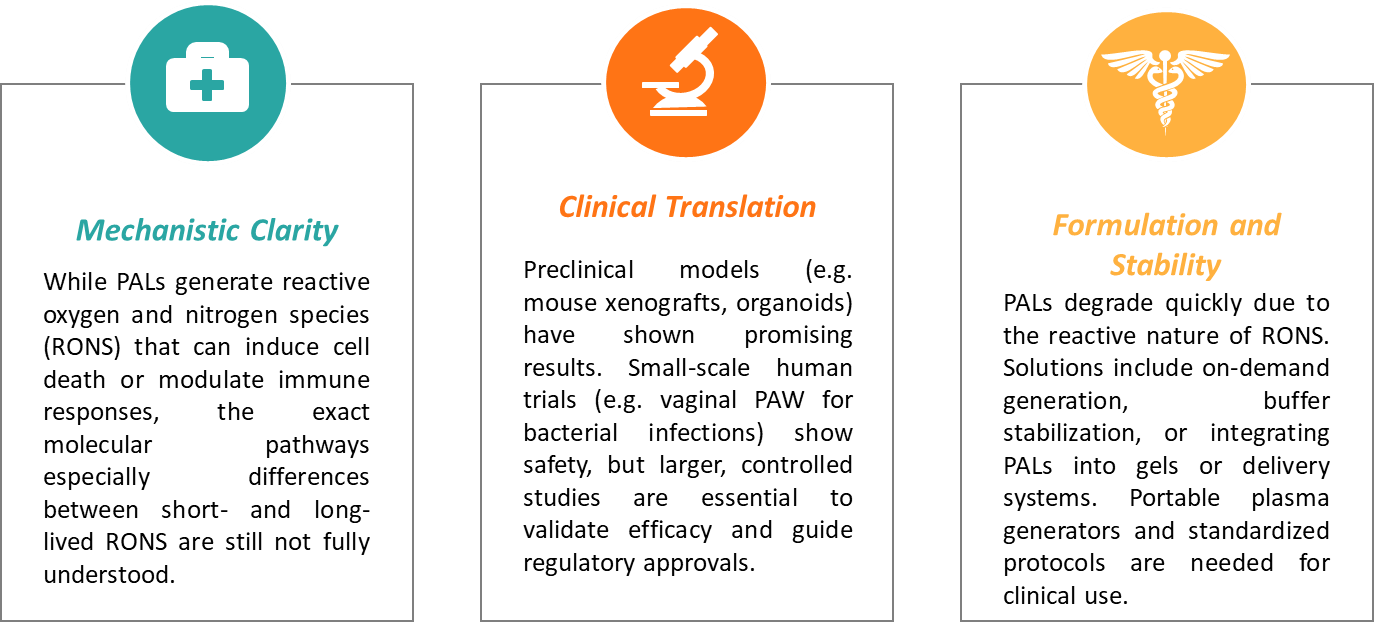
By focusing on these areas, future work can move PALs from experimental platforms to practical, safe, and effective biomedical tools.
9. Conclusion
Plasma continues to play a crucial role in driving innovation in modern medicine. Indirect plasma treatment using plasma-activated liquids (PALs), offers numerous advantages over direct plasma application, such as non-invasiveness, safety by minimizing thermal damage.
The biological activity of PALs is largely attributed to the presence of reactive oxygen and nitrogen species (RONS). Depending on the plasma source, treatment parameters, and liquid composition, both short-lived RONS and long-lived RONS can be generated. Long-lived species allow for sustained biological effects, enabling PALs to be stored and transported for later use. This adaptability positions plasma-activated liquids as a versatile platform for a wide range of biomedical applications, including antimicrobial treatments, cancer therapy, and tissue regeneration, and highlights their potential to transition from experimental research to practical and clinically relevant solutions.
How Pitch Scientific Supports Innovation in PALs
Pitch Scientific brings deep domain expertise in plasma-activated liquid (PAL) technologies, grounded in a strong understanding of plasma medicine, reactive species chemistry and biomedical applications. Our experience spans the generation, characterization and biological evaluation of PALs across antimicrobial, anticancer and tissue regeneration use cases. Our expertise includes:
Plasma-Activated Liquid Generation:Understanding indirect plasma treatment systems, plasma–liquid interactions and controlled generation of reactive oxygen and nitrogen species
Reactive Species Chemistry and Stability:Expertise in short- and long-lived RONS formation, tuning through plasma parameters and implications for stability and downstream application.
Biological Mechanisms and Applications:Insight into PAL-mediated antimicrobial activity, selective cancer cell apoptosis and tissue regeneration pathways.
Experimental Models and Translational Evidence:Familiarity with in vitro and in vivo models used to assess PAL efficacy, safety and therapeutic relevance.
With this focused scientific expertise, Pitch Scientific supports informed decision-making around plasma-activated liquid technologies and their translation into practical biomedical applications.
References:
- https://onlinelibrary.wiley.com/doi/full/10.1002/ppap.202200246
- https://www.mdpi.com/2227-9059/9/11/1700
- https://www.mdpi.com/2571-6182/7/2/16
- https://www.nature.com/articles/s41522-020-00180-6
- https://pure.strath.ac.uk/ws/portalfiles/portal/227125198/Bruggeman-etal-PSST-2016-Plasma-liquid-interactions-a-review-and-roadmap.pdf
- https://onlinelibrary.wiley.com/doi/full/10.1002/ppap.202400255
- https://www.researchgate.net/publication/377637492_Plasma-activated_liquid_as_a_potential_decontaminant_in_healthcare_Assessment_of_antibacterial_activity_and_use_with_cleaning_cloths
- https://ift.onlinelibrary.wiley.com/doi/10.1111/1541-4337.13126
- https://www.mdpi.com/1420-3049/26/14/4254
- https://www.mdpi.com/2571-6182/7/1/14
- https://www.nature.com/articles/s41598-018-25990-9
- https://www.mdpi.com/1420-3049/26/9/2523
- https://www.sciencedirect.com/science/article/abs/pii/S0195670124000252/
- https://pmc.ncbi.nlm.nih.gov/articles/PMC11117899/
- https://www.mdpi.com/2077-0383/10/4/893
- https://www.technavio.com/report/cold-plasma-market-analysis
- https://www.grandviewresearch.com/industry-analysis/plasma-technology-market-report
About Pitch Scientific
Pitch Scientific is a patent research and analytics firm that supports innovation across science, technology and intellectual property. We work closely with research teams, IP professionals and decision-makers to help them navigate complex technical and patent landscapes with clarity and confidence.
With strong experience in patent analytics, prior art research and technology intelligence, Pitch Scientific works with start-ups, research-driven organizations, corporations and law firms across a wide range of technology areas. Our team brings together scientific understanding and practical IP knowledge to deliver insights that are clear, reliable and directly relevant to client needs.
We place emphasis on sound methodologies, flexibility and consistent quality in our work. By focusing on accuracy, transparency and continuous learning, Pitch Scientific strives to create lasting value for clients and the innovations they develop.
Our Capabilities
- Knock Out Search
- Patentability Search
- Freedom to Operate Search
- Invalidation Search
- Patent Infringement Search
- Evidence of Use/Claim Charts
- Evidence of Use/Claim Charts
- Patent Portfolio Analysis
- Literature Watch
- Patent & Technology Landscape
- Technology Scouting
- Technology Scouting
- Market Research