Executive Summary
Photobiomodulation is a non-invasive treatment using near infrared light to help cells in healing, reduces inflammation and make the body work more efficiently. Specific wavelengths stimulate mitochondria, increasing energy and lowering stress. New advancement in PBM especially quantum-dot LEDs (QLEDs), have made PBM devices smaller, flexible, and more precise. These light sources can be integrated into wearable patches, bandages, or helmets that administer targeted light therapy directly where it's needed in body, even deep within muscles or the brain. With AI, these devices can adjust treatment according to the signals received from the body, making therapy personalized and easy to use at home. PBM is helping in wound healing, skin therapy, pain, brain function, and heart disease. This whitepaper highlights wearable NIR and QLED-based PBM devices, their benefits, clinical uses, and role in precision medicine.
1. Introduction
Our cells are active players in body function, responding to all sorts of signals whether it’s physical, chemical and even light-based signals. Advances in molecular biology show that specific red and near-infrared wavelengths can boost mitochondrial energy, lower oxidative stress, and trigger anti-inflammatory responses. Photobiomodulation is a non-invasive therapy using low-intensity red or NIR light to support healing and regulate cellular activity. The rise of Quantum-dot LEDs now provide highly tunable, compact light sources for medical use, while wearable NIR devices deliver continuous, tissue-penetrating light to deeper targets like muscle and brain. These innovations are transforming PBM from a limited clinical procedure into a scalable, AI-integrated therapy platform with growing applications in neurodegenerative disease, chronic pain, mental health, and general wellness.
2. What is Photobiomodulation?
Photobiomodulation uses low-powered lasers or LEDs to deliver visible and near-infrared light that stimulates healing without thermal damage. It can be applied systemically or as adjunctive therapy to enhance recovery after surgery or other invasive treatments.
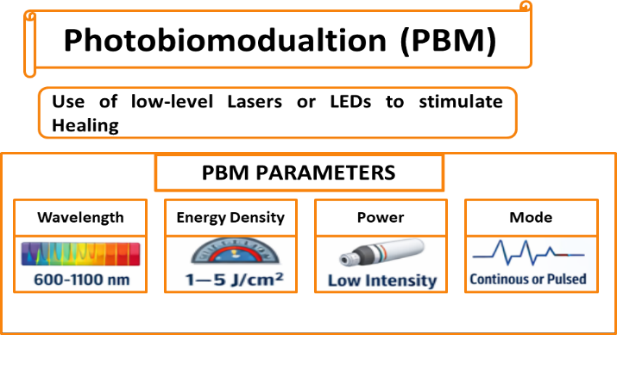
Figure 1. PBM parameters
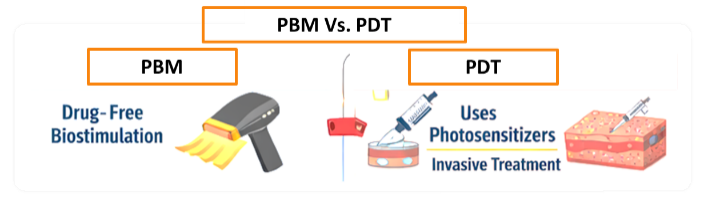
Figure 2. PBM working
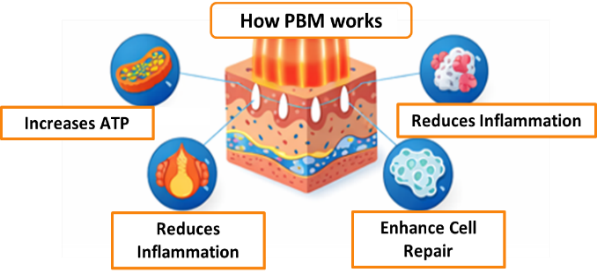
Figure 3. Difference between PBM and PDT
3. Advances in PBM Technology
Emerging Next Generation PBM leverages colloidal quantum dots (CQDs) embedded in light emitting diodes (LEDs), enabling flexible, tuneable, and efficient NIR light sources suitable for wearable and implantable medical devices.
3.1 Quantum Dot LEDs in Photobiomodulation
Quantum-dot light-emitting diodes (QLEDs) represent a major leap in photobiomodulation (PBM), using nanoscale semiconductors to emit precise wavelengths that enhance cellular stimulation. They deliver targeted light around 630 nm for skin healing and 810 nm for deeper tissue repair through flexible, efficient, low-heat wearable devices like smart bandages and patches. Recent advances in materials and encapsulation have improved durability, stability, and skin compatibility, enabling safe, portable treatments for wounds, inflammation, and pain.
3.1.1 Advantages of Quantum Dot LEDs in Photobiomodulation
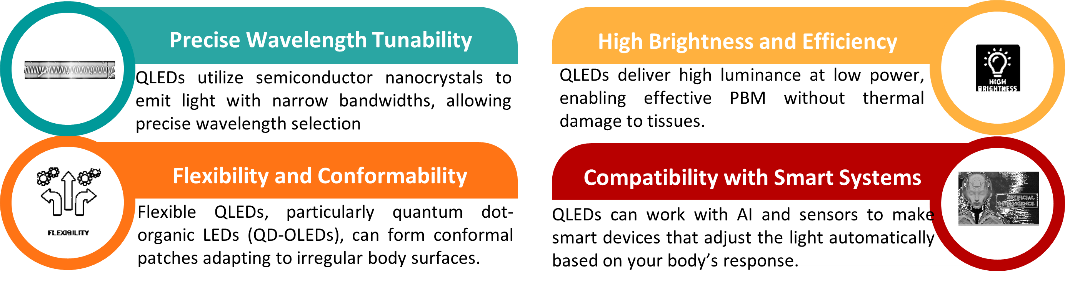
Figure 4. Advantages of Quantum Dot LEDs
3.2 Wearable NIR Devices in Precision Medicine
Wearable NIR devices use flexible LEDs or micro-LEDs (700–1400 nm) to stimulate healing, reduce pain, and improve cognitive function. Unlike bulky clinic systems, they are portable (headbands, patches, bandages), penetrate deeply into tissues, and act on mitochondria to boost ATP production, reduce inflammation, and repair tissue. Advanced materials ensure durability, skin compatibility, and safe, low heat delivery.
3.2.1 Design and Technology of Wearable NIR Devices
Wearable NIR devices are emerging as powerful tools for continuous, non-invasive therapy. Available as flexible patches, bands, or implants, they use advanced light sources and sensors to interact directly with body tissues.
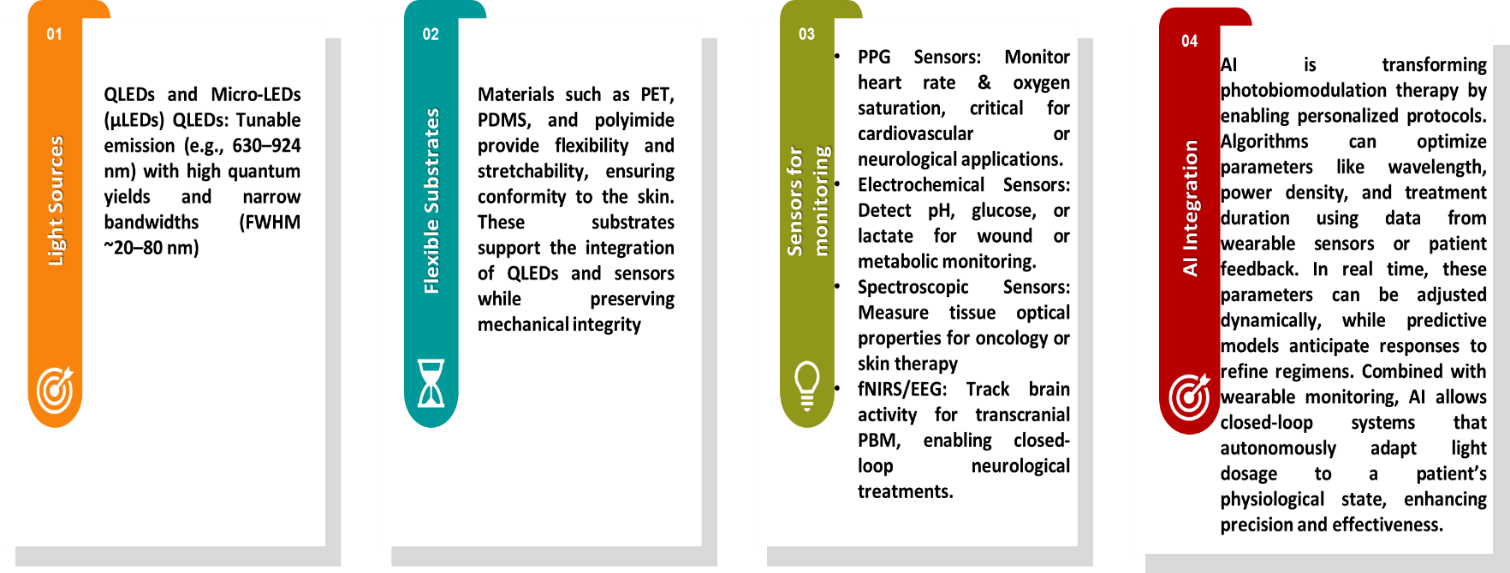
Figure 5. Design and Technology of Wearable NIR Devices
3.2.2 Advantages of NIR wearable devices in Photobiomodulation
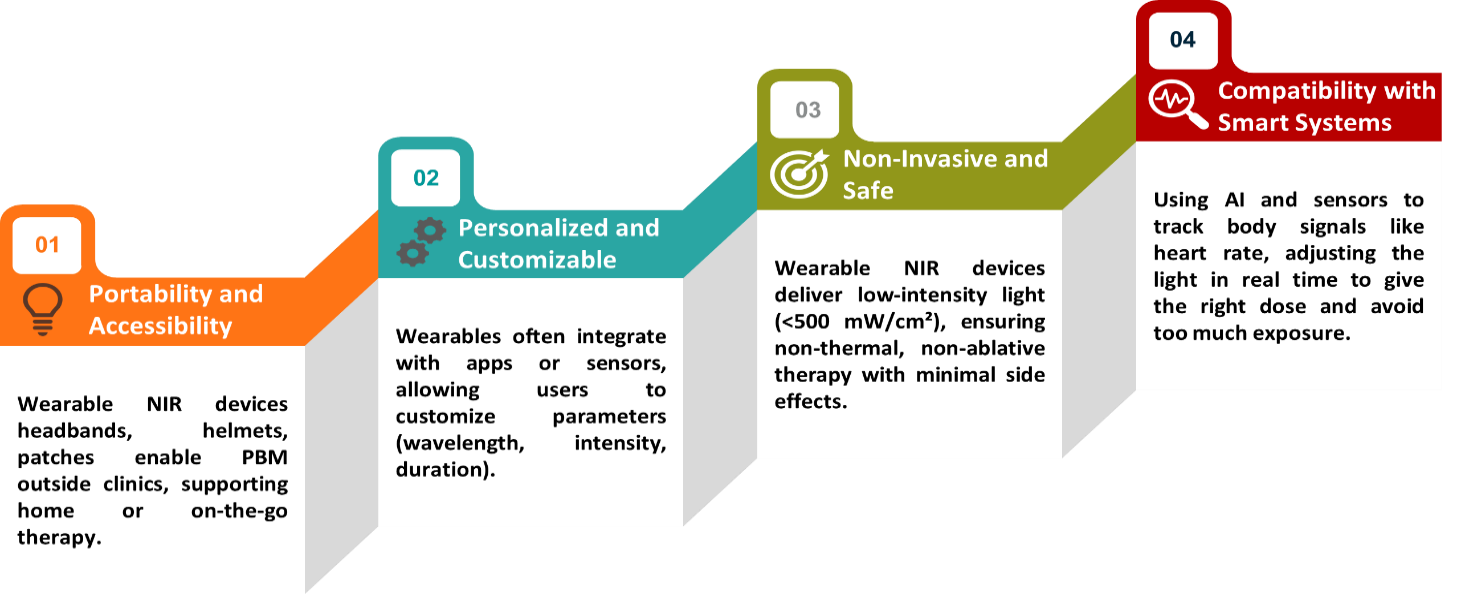
Figure 6. Advantages of NIR wearable devices
3.3 Real-World Examples
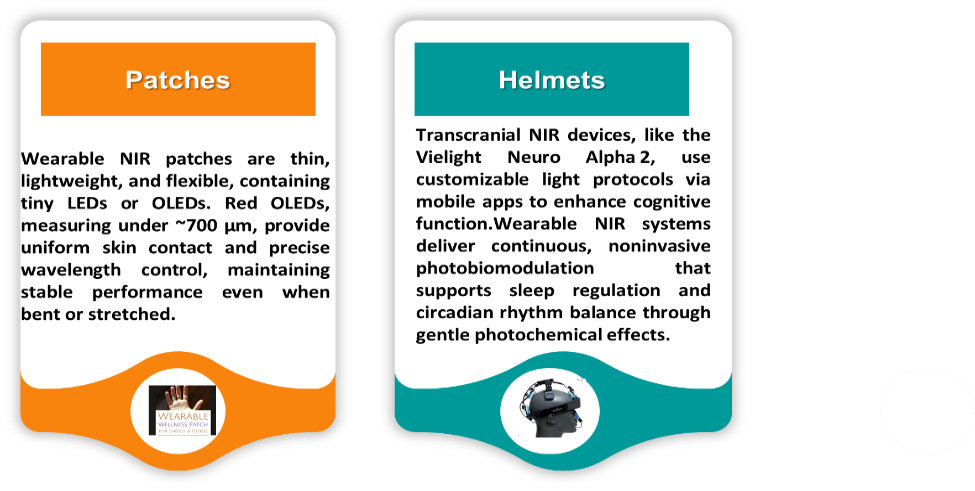
Figure 7. Examples of wearable devices
4. Clinical Applications
There are some clinical applications of next-generation photobiomodulation technologies, including quantum-dot LEDs and wearable near-infrared devices.
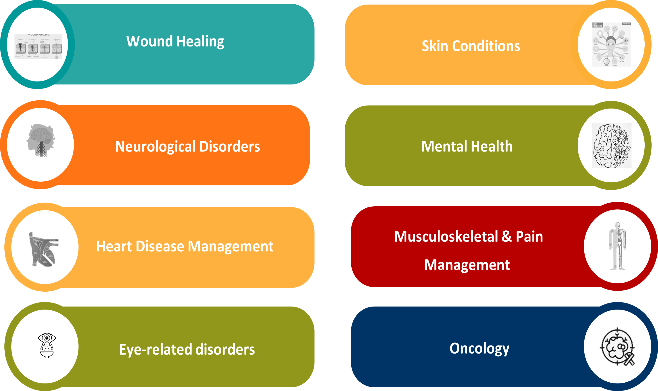
Figure 8. Clinical Applications of photobiomodulation
5. IP Activity in Photobiomodulation
As part of our analysis of patent activity in Next Gen Photobiomodulation Quantum Dot LEDs and Wearable NIR Devices in Precision Medicine, we conducted an IP landscape study focusing on the last ten years. Out of 1000 patent applications reviewed, 152 were selected for final analysis.
5.1 Relevant keywords, synonyms and classes used for search
- Photobiomodulation, PBM, Low-Level Laser Therapy, NIR Light Therapy.
- Quantum Dot LEDs, QLEDs, QD-LED.
- Wearable NIR Devices, Smart Phototherapy Patch, AI-driven PBM Devices.
- Relevant patent classifications include A61N2005/0645, A61N2005/066, A61N5/0613.
5.2 Graphical Analysis from the identified patents (619 patent applications):
Figure 10 shows the distribution of patents across published countries, providing insight into major R&D locations for Photobiomodulation, USA has most patents i.e., 212, followed by CN with 65 patents.
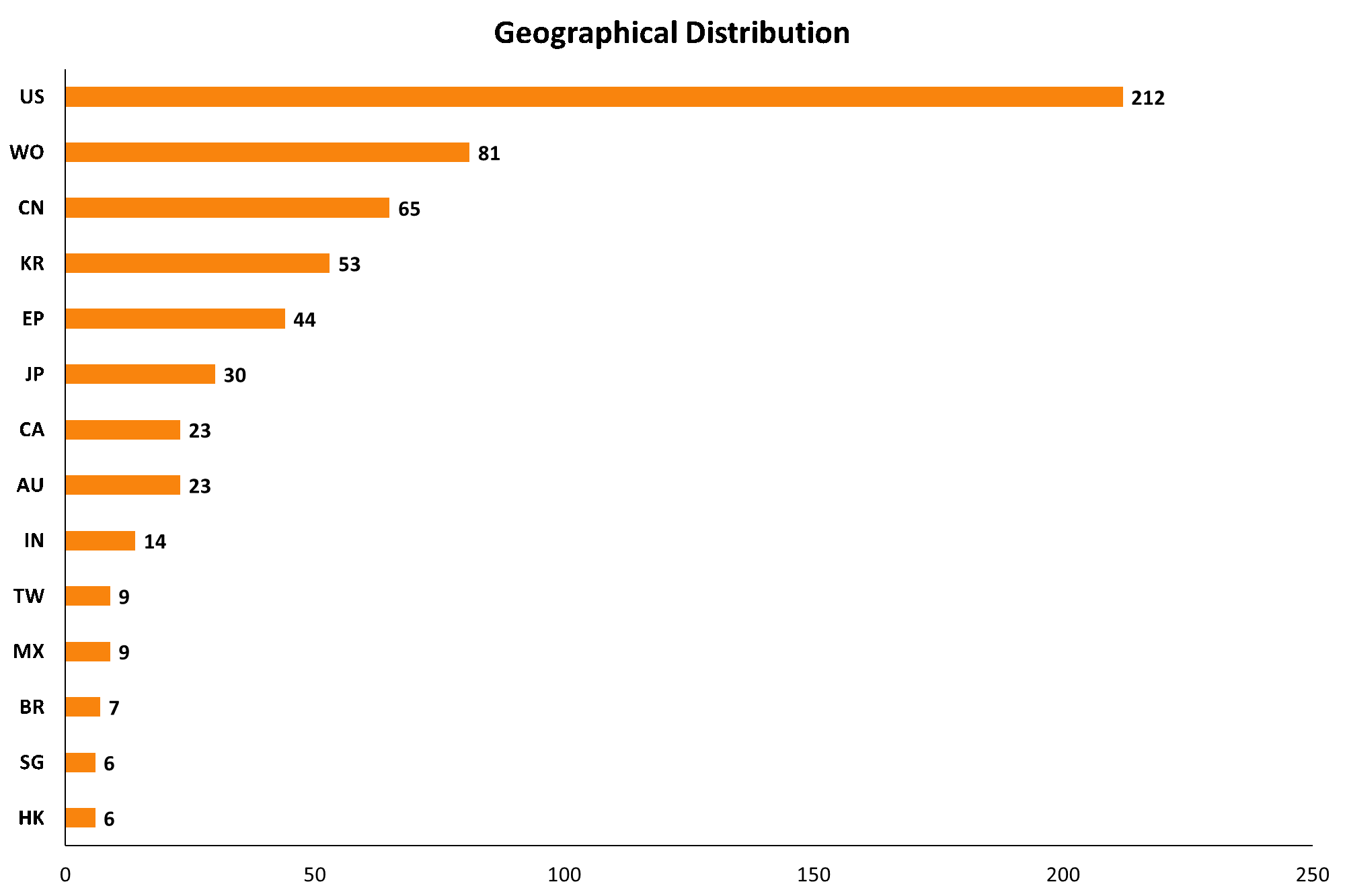
Figure 9. Geographical Distribution
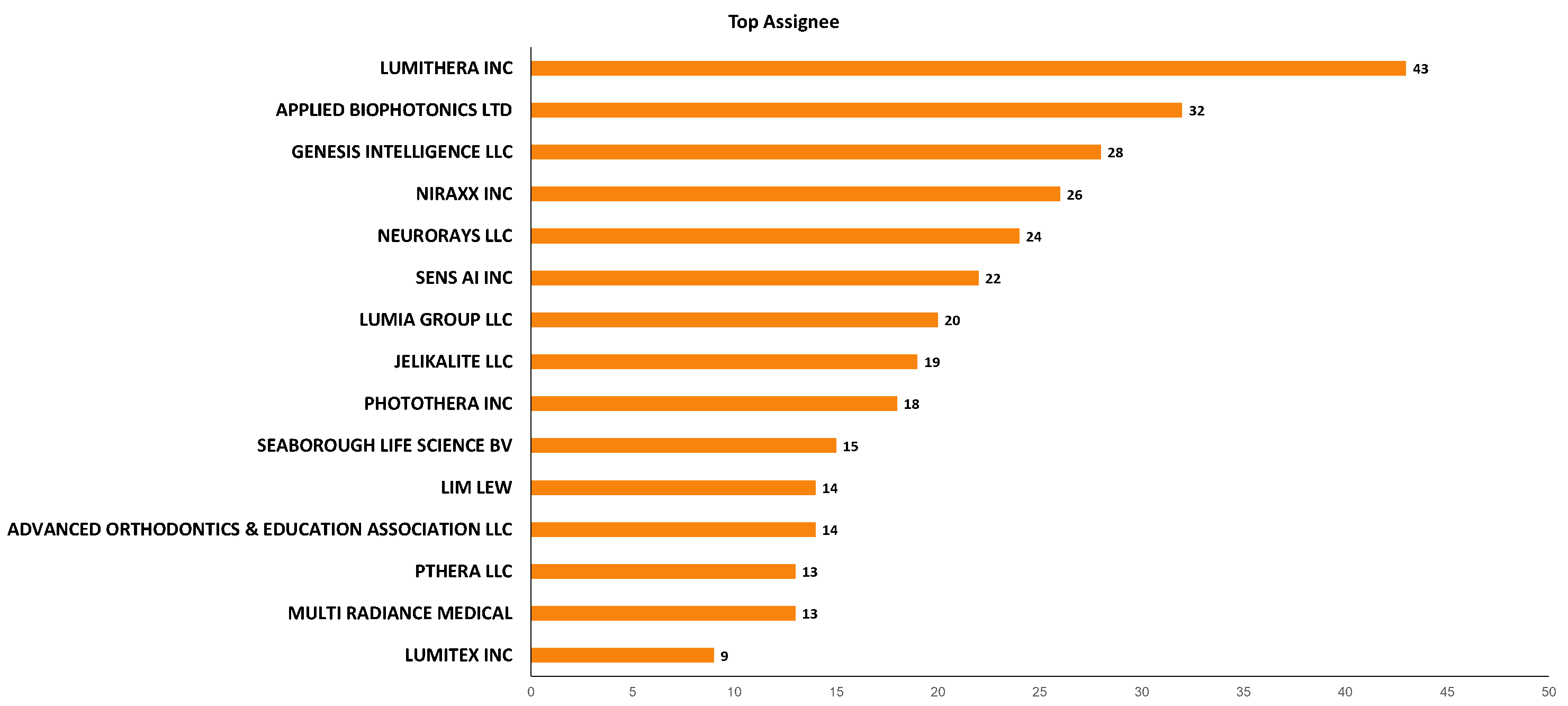
Figure 10. Legal status
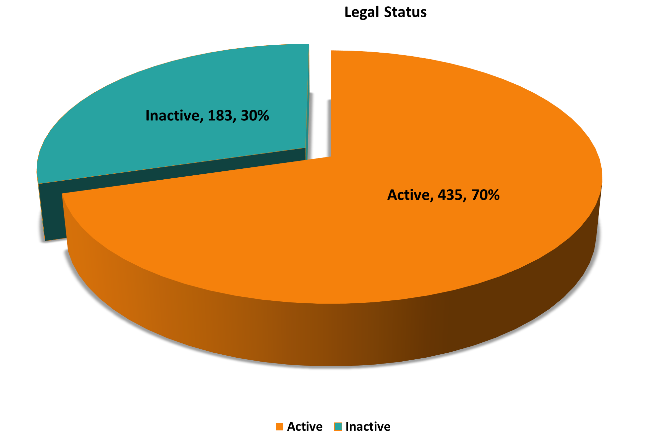
Figure 11. Top Assignees
Figure 12 Shows top patent assignees, with the Lumithera Inc leading with 43 patents, with focus on ophthalmic photobiomodulation (PBM), best known for its Valeda® Light Delivery System. Followed by the Applied Biophotonics Ltd with 32 patents.
6. Market and Commercial Outlook
6.1 Regional Market Trends:
The market was valued at USD 246.44M in 2025, grew to USD 267.76M in 2026, and is projected to reach USD 564.95M by 2035, reflecting a CAGR of 8.65% (2026–2035). Regional distribution: North America 36%, Europe 28%, Asia-Pacific 24%, and Middle East & Africa 12%. Growth is driven by expanding healthcare infrastructure, rising chronic disease prevalence, and increasing demand for non-invasive therapies.
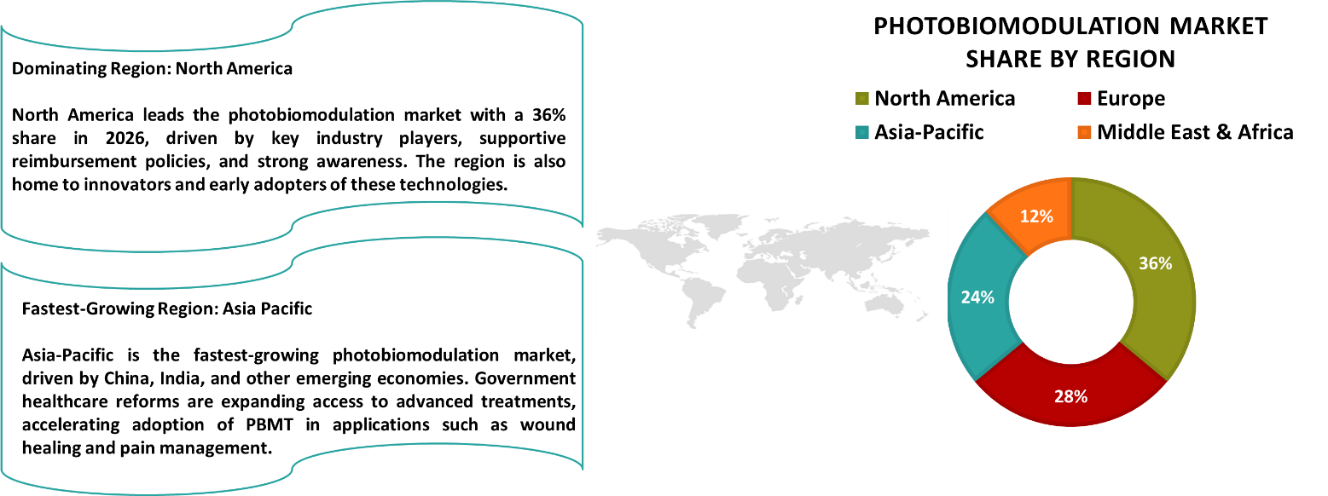
Figure 12. Photobiomodulation Market Share by Region
6.2 Photobiomodulation Market Outlook, By Application type:
The photobiomodulation therapy market is expanding with applications in wound healing, pain management, and aesthetic treatments. Clinical validation and new approvals will further boost growth, while portable and affordable devices are gaining traction among patients and providers.
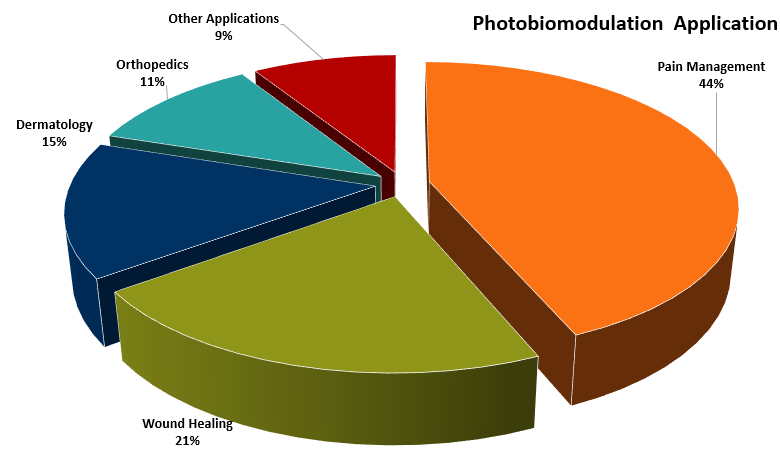
Figure 13. Photobiomodulation Market Outlook, By Application type
6.3 Photobiomodulation Market Dynamics
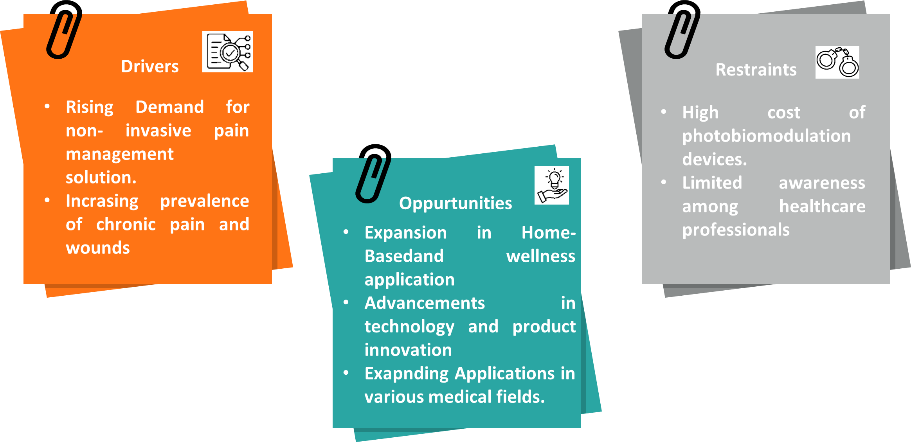
Figure 14. Photobiomodulation Market Dynamics.
6.4 Photobiomodulation Market Size
The Global Photobiomodulation Therapy Market was valued at USD 246.44 million in 2025 and is projected to reach USD 267.76 million in 2026, USD 290.92 million in 2027, and USD 564.95 million by 2035, reflecting a CAGR of 8.65% between 2026 and 2035. Annual growth above 8% is supported by strong adoption, with more than 60% of applications in pain-related therapies, over 45% utilization in rehabilitation centers, and integration by more than half of healthcare providers across medical and wellness sectors.
Market expansion is driven by a 64% preference for chronic pain management, 58% adoption in clinics, 46% integration into dermatology, 52% use in rehabilitation, and a 41% rise in homecare demand. At the same time, technological and application trends are reshaping the industry: nearly 48% of devices now feature multi-wavelength capabilities, 44% are portable systems, 40% are battery-operated, 36% incorporate AI-enabled features, and 33% are expanding into neurological applications.
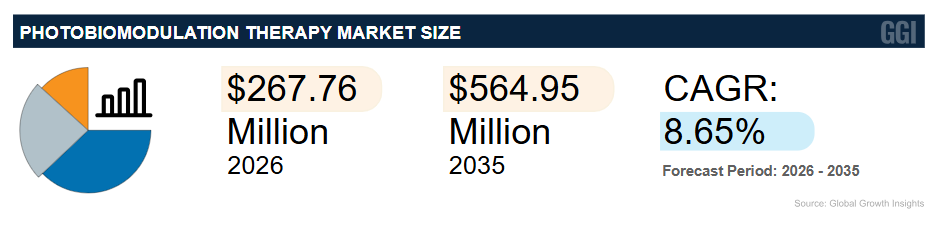
Figure 15: Photobiomodulation Therapy Market Size
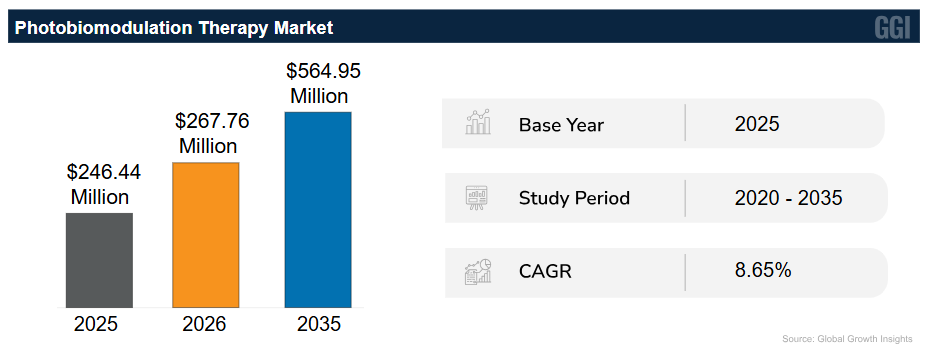
Figure 16: Photobiomodulation Therapy Market
7. Challenges
Despite of advantages these integrating QLEDs and wearable NIR devices into PBM faces multiple challenges:
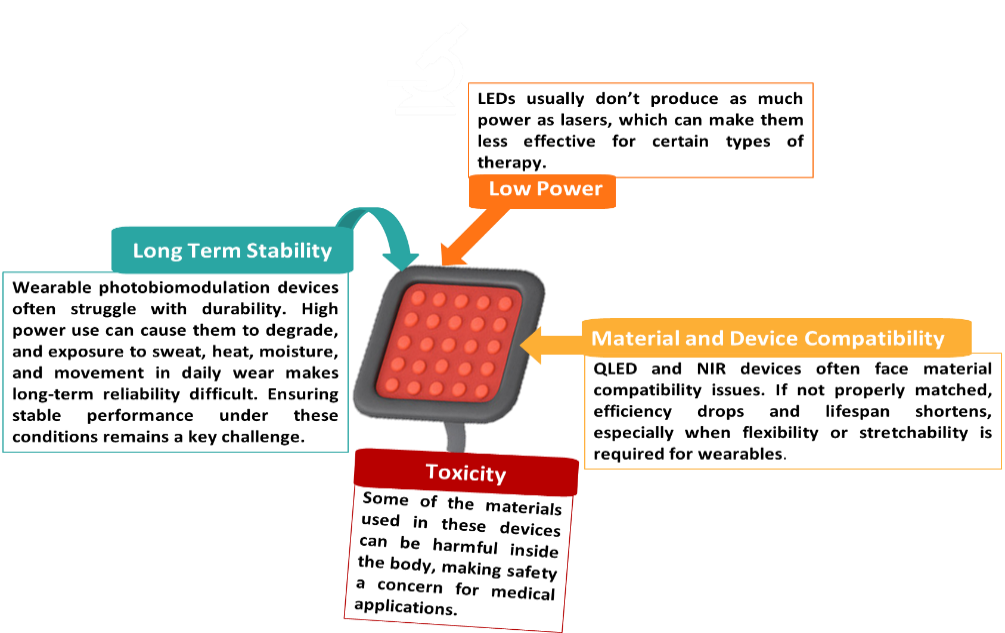
Figure 17. Challenges
8. Future Outlook and Research Directions
Future photobiomodualtion devices will be smart, adaptive, and body‑conforming, built with soft substrates like textiles, hydrogels, and polymers. Advanced fabrication protects components, while emerging light sources (µLEDs, OLEDs, QLEDs) ensure performance and stretchability with thin protective films. Power options include batteries, wireless systems, and nanogenerators for wearable or implantable use. Integrated sensors (temperature, oxygen, absorption) connect to AI for real‑time, personalized therapy. These devices may combine photobiomodulation with drug delivery, electrical stimulation, or antimicrobial agents to accelerate healing and address complex medical issues.
9. Conclusion
Near-infrared (NIR) wearable devices and QLED technology are driving the next wave of photobiomodulation (PBM) therapy with the promise of portable, accurate, and personalized treatment. Their deep tissue penetration with the high efficiency and adaptability of QLEDs is making therapy more effective in various applications ranging from wound healing to neurological health. Smart technologies integration also improves flexibility as well as real-time monitoring. Despite challenges in materials and power, QLEDs and wearable NIR devices are driving PBM toward a smarter, more personalized future in medicine.
How Pitch Scientific Supports Innovation in Photobiomodulation Solutions
Pitch Scientific brings deep domain expertise in light‑based, non‑invasive therapeutic technologies, based on a strong understanding of photobiomodulation science, quantum‑dot LED (QLED) engineering, and biomedical applications. Our experience spans the analysis and clinical evaluation of PBM systems across wound healing, dermatology, neurological health, cardiovascular care, and pain management. Our expertise includes:
Mechanisms of Action:Exploring how near-infrared light stimulates mitochondria, boosts cellular energy, reduces inflammation, and supports tissue repair.
Device Technologies:Developing quantum-dot LED (QLED) and NIR platforms that enable smaller, flexible, and precise PBM devices for wearable patches, bandages, and helmets.
AI Integration:Using artificial intelligence and sensor data to personalize treatment protocols, dynamically adjust parameters, and enable closed-loop therapy both at home and in clinical settings.
Clinical Applications:Advancing PBM in wound healing, dermatology, pain relief, neurological health, and cardiovascular care, positioning it as a cornerstone of precision medicine.
With this focused scientific expertise, Pitch Scientific supports informed decisionmaking in the evolution of therapeutic care by advancing photobiomodulation technologies that provide safe, noninvasive, and versatile solutions across diverse clinical applications.
References
- https://www.mdpi.com/1422-0067/25/8/4483?utm_source
- https://www.sciencedirect.com/science/article/abs/pii/S0143816625000399?utm_source
- https://pubmed.ncbi.nlm.nih.gov/38049372/
- https://phys.org/news/2024-07-infrared-photobiomodulation-technique-brain- inflammation.html?utm_source
- https://www.sciencedirect.com/science/article/abs/pii/S0190962225006590
- https://www.tandfonline.com/doi/full/10.2147/OPTH.S441962?utm_source
- https://pmc.ncbi.nlm.nih.gov/articles/PMC6223313/
- https://iopscience.iop.org/article/10.1088/2515-7639/ab95e8
- https://pmc.ncbi.nlm.nih.gov/articles/PMC5576728/
- https://www.sciencedirect.com/science/article/abs/pii/S1385894724076125
- https://patents.google.com/patent/US10593902B2/en
- https://www.jkslms.or.kr/journal/view.html?uid=386&vmd=Full
- https://pubmed.ncbi.nlm.nih.gov/16706690/
- https://pubmed.ncbi.nlm.nih.gov/39818728/
- https://link.springer.com/article/10.1007/s12035-021-02496-6?utm_source
- https://www.vielight.com/?srsltid=ARcRdnqtdVhX5aikw-YqZXn- SVB_AlbQcZ_PDuNKdMSaz_xHA7ms21QE
- https://mitoredlight.com/products/mitomind-helmet?variant=48000179765416
- https://pmc.ncbi.nlm.nih.gov/articles/PMC11049838/
- https://bpspsychub.onlinelibrary.wiley.com/doi/10.1111/jnp.12074
- https://pmc.ncbi.nlm.nih.gov/articles/PMC8674466/
- https://pmc.ncbi.nlm.nih.gov/articles/PMC10813238/
- https://www.globalgrowthinsights.com/market-reports/photobiomodulation-therapy-market-123341
- https://www.coherentmarketinsights.com/industry-reports/photobiomodulation-market
About Pitch Scientific
Pitch Scientific is a patent research and analytics firm that supports innovation across science, technology and intellectual property. We work closely with research teams, IP professionals and decision-makers to help them navigate complex technical and patent landscapes with clarity and confidence.
With strong experience in patent analytics, prior art research and technology intelligence, Pitch Scientific works with start-ups, research-driven organizations, corporations and law firms across a wide range of technology areas. Our team brings together scientific understanding and practical IP knowledge to deliver insights that are clear, reliable and directly relevant to client needs.
We place emphasis on sound methodologies, flexibility and consistent quality in our work. By focusing on accuracy, transparency and continuous learning, Pitch Scientific strives to create lasting value for clients and the innovations they develop.
Our Capabilities
- Knock Out Search
- Patentability Search
- Freedom to Operate Search
- Invalidation Search
- Patent Infringement Search
- Evidence of Use/Claim Charts
- Evidence of Use/Claim Charts
- Patent Portfolio Analysis
- Literature Watch
- Patent & Technology Landscape
- Technology Scouting
- Technology Scouting
- Market Research