Executive Summary
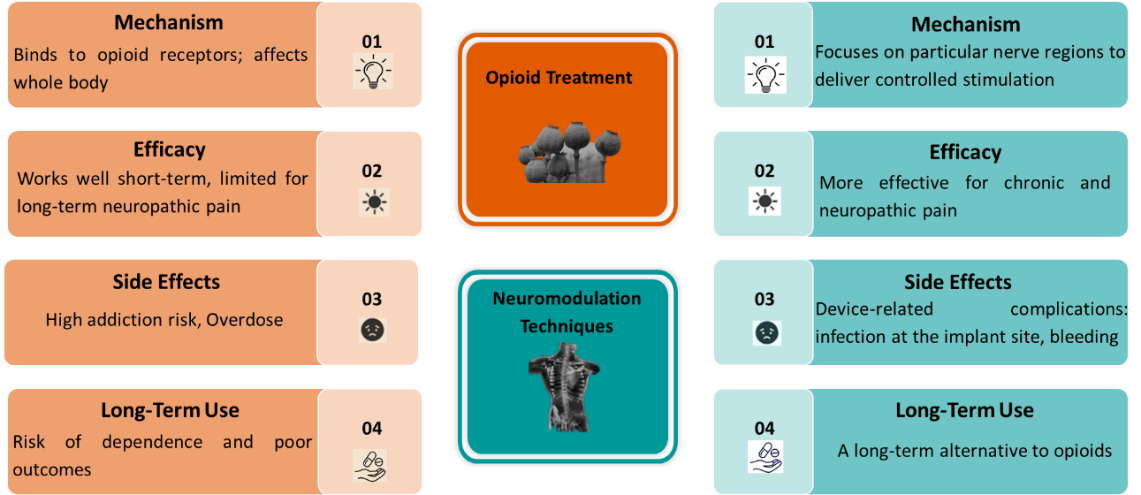
Chronic pain affects millions worldwide, reducing quality of life and placing a heavy burden on healthcare systems. While opioids have long been used for pain relief, their short duration and serious risks such as addiction, dependence, and overdose have led to the search for safer alternatives. Neuromodulation has emerged as one of the most promising options, using techniques like spinal cord stimulation (SCS), transcranial magnetic stimulation (TMS), and peripheral nerve stimulation (PNS). These methods are often minimally invasive, reversible, and thereby providing relief with minimal side effects. Conditions such as neuropathic pain, failed back surgery syndrome, and complex regional pain syndrome are now treated with neuromodulation. With advances in AI and closed‑loop systems are reshaping chronic pain care with a focus on long‑term safety and improved quality of life.
1. Introduction
Chronic pain is a long‑lasting condition that can be constant or come and go. It can affect any part of the body and impacts not only physical health but also mental and emotional well being. It creates major challenges for individuals, families, and healthcare systems worldwide. For centuries, opioids were the main treatment because of their strong analgesic effects, but they carry serious risks such as overdose, addiction, tolerance, and organ damage. Because of these risks, healthcare has increasingly moved away from relying only on medications and toward safer approaches such as behavioral therapies and procedural treatments. Neuromodulation has emerged as a leading approach, using electrical therapies from simple non invasive techniques to advanced surgical procedures to manage chronic pain safely and effectively, without damaging tissues or causing serious side effects.
2. Chronic pain relief new treatment vs. traditional opioid treatment
3. Neuromodulation: A Paradigm Shift
Neuromodulation is a treatment that uses electric and magnetic stimuli to change the nervous system activity and change how pain feels to the body or brain. Neuromodulation affects the several neural pathways that carry pain signals and block or change those signals, which can give better and long-lasting relief than conventional treatments. It can involve various invasive and non-invasive technique, which can be classified based on how they work.
3.1 Neuromodulation Mechanisms of Action
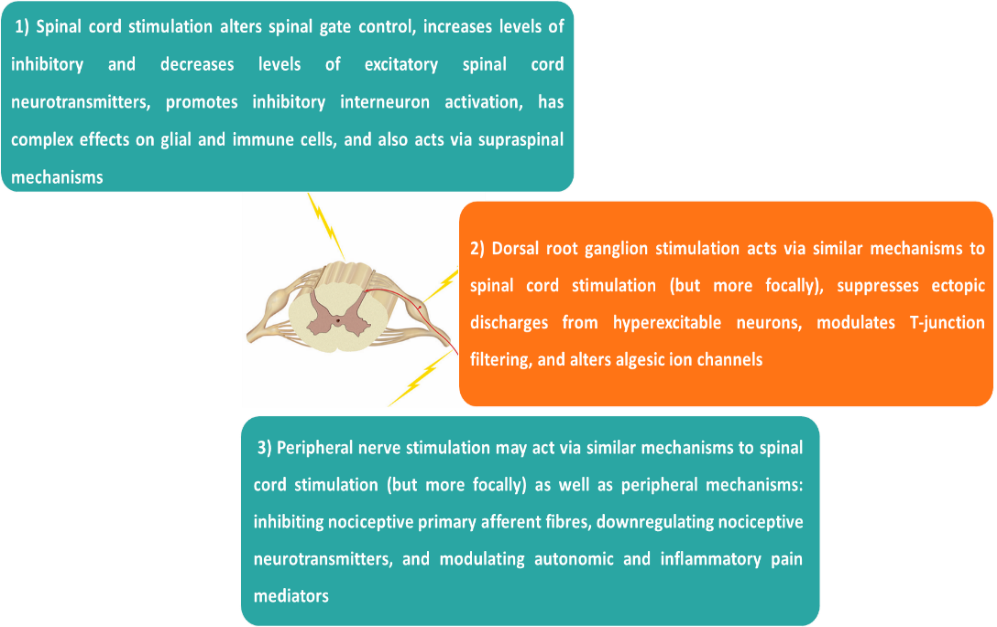
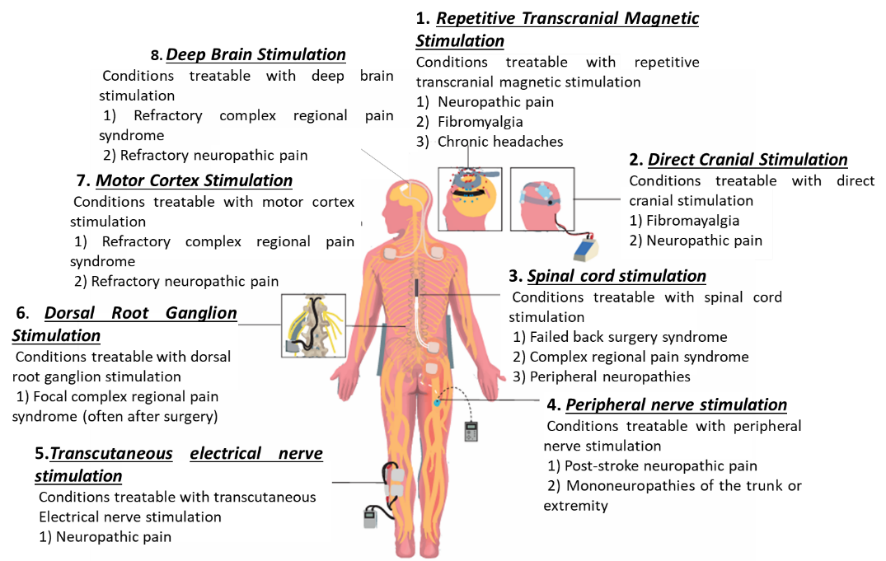
Human nervous system has ability to change its structure and function in response to different stimuli. This ability is known as neuroplasticity. Different type of neuromodulations have worked their own ways (figure 1), but they all aim to support neuroplasticity.
3.2 Different forms of neuromodulation
Neuromodulation involves both invasive and non-invasive methods that are grouped according to the type of stimulation used. But one of the most used in neuropathic pain treatment are spinal cord stimulation (SCS).
3.2.1 Invasive Methods:
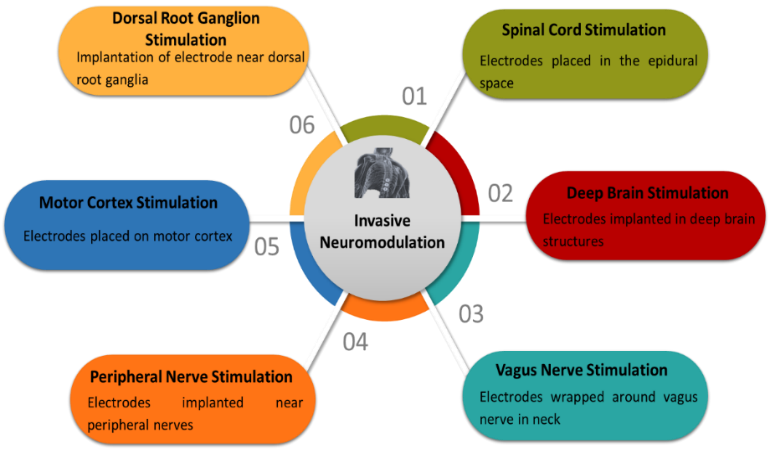
Invasive neuromodulation involves surgical implant, usually at the brain or spinal cord. Different types of invasive methods are:
3.2.2 Non-Invasive Methods:
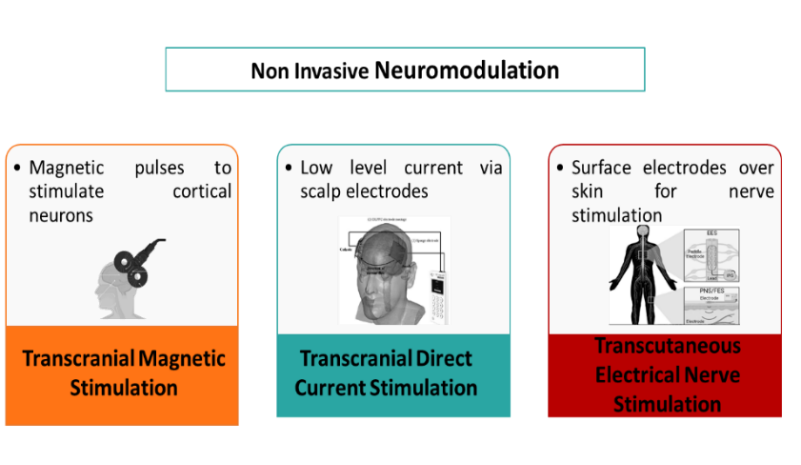
Non invasive neuromodulation methods don’t require surgery or trial periods, making them suitable for early use and team based care, but they often involve multiple treatment sessions and inconsistent protocols that need further study. Different types of non-invasive methods are:
4. Benefits of Neuromodulation
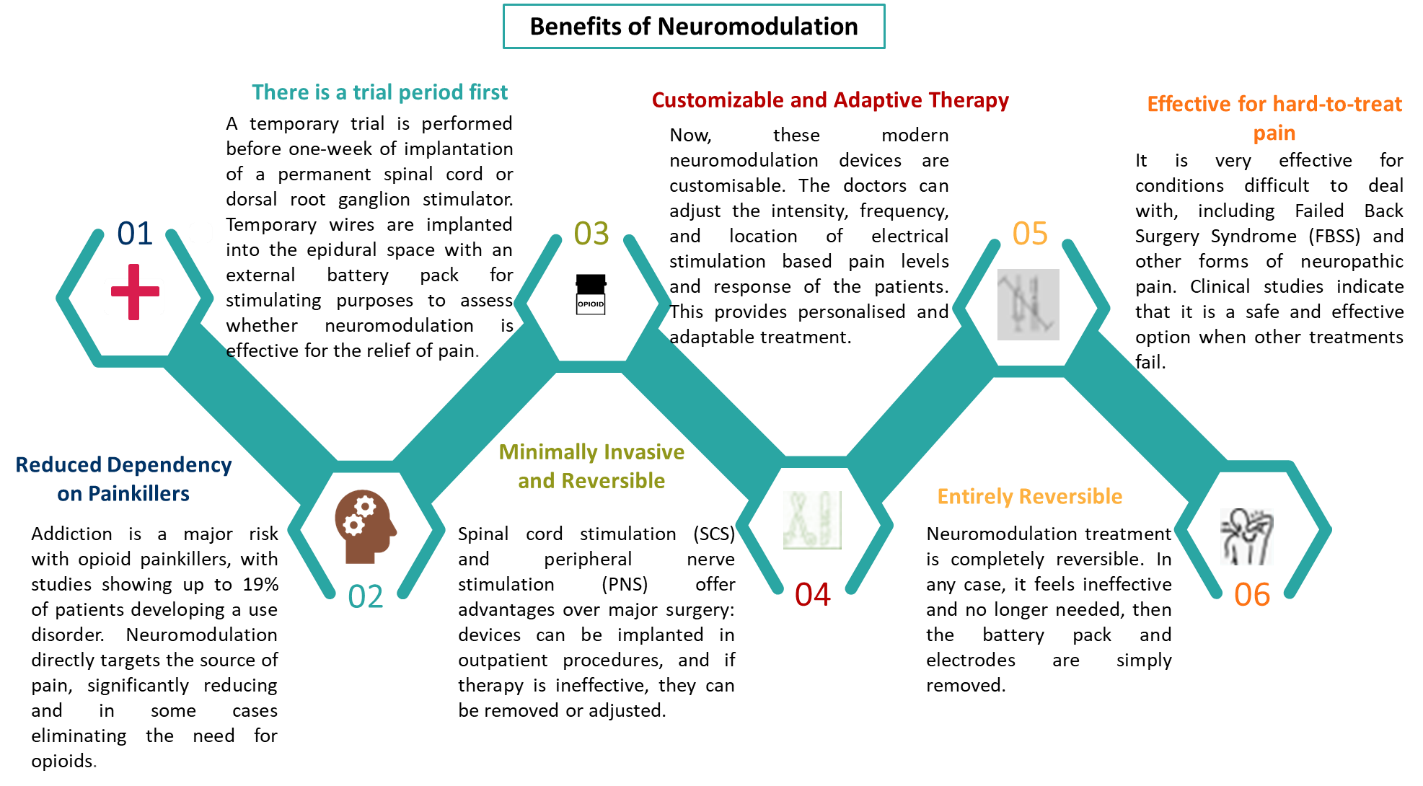
Neuromodulation provides a wide range of benefits for patients suffering from chronic pain, especially when other treatments have failed:
- Trial Period: Patients can test a temporary version before a permanent implant.
- Customizable & Adaptive: Modern devices can be adjusted for intensity and frequency.
- Reduced Opioid Dependency: Addresses the source of pain directly, eliminating the need for opioids.
- Minimally Invasive: Many procedures involve outpatient recovery.
- Reversible: Treatment is completely reversible; if no longer needed, electrodes are simply removed.
4.Spinal Cord Stimulation
Spinal cord stimulation (SCS) is one of the most effective non‑opioid treatments for chronic pain. It is minimally invasive and works by implanting a small device near the spinal cord. Thin wires (electrodes) placed in the epidural space deliver mild electrical signals to block pain before it reaches the brain. Instead of pain, patients often feel a tingling sensation called paresthesia, which provides relief and improves quality of life.
4.1 How Does SCS Work?
Although research on how exactly SCS reduces pain is ongoing, but it is known to work by: it activates large sensory fibers (A‑beta) that block smaller pain‑carrying fibers (C and A‑delta), calms overactive neurons in the spinal cord’s dorsal horn, reduces inflammation by limiting glial cell overactivation, and influences higher brain regions such as the thalamus, frontal cortex, and limbic system that shape how pain is felt emotionally and physically.
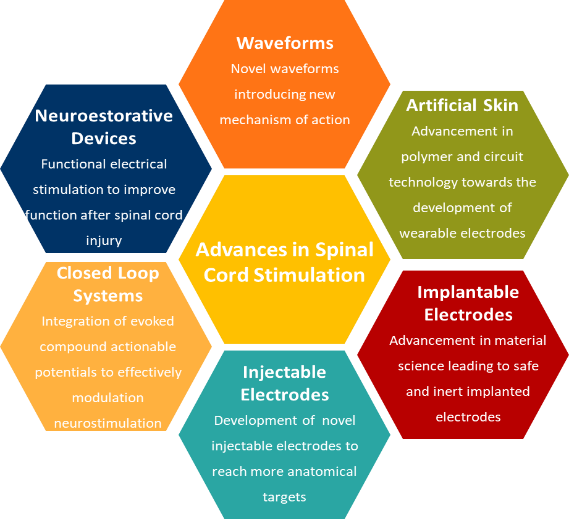
4.2 Advances in SCS
4.3 Clinical Application of SCS
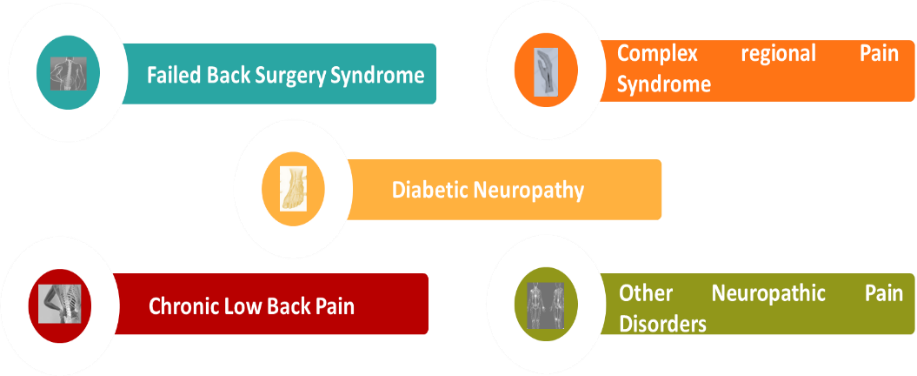
Where does SCS actually do its magic? Well, it’s a bit of a hero for stubborn nerve pain including:
5. Benefits of Neuromodulation
Neuromodulation provides a wide range of benefits for patients suffering from chronic pain, especially when other treatments have risks. Here are some of the key benefits of this.
6. IP Activity in Plasma-Activated Liquids
As part of our analysis of patent activity in neuromodulation therapy for chronic pain, we conducted an IP landscape study focusing on the last five years. Out of 1359 patent applications reviewed, 163 were selected for final analysis.
6.1 Relevant keywords, synonyms and classes used for search
- Neuromodulation, Neuromodulatory, Neural Modulation, Electrical Nerve Stimulation, Neural Activity Regulation
- Spinal Cord stimulation, SCS, Peripheral Nerve Stimulation
- Chronic Pain, Persistent Pain, Intractable Pain, Refractory Pain, Long Term Pain, Prolonged Pain, Continous Pain, Fail Back Surgery Syndrome
- Relevant patent classification includes A61N1/36053, A61N1/0551, A61N1/36071, A61N1/04, A61N1/36062, A61N1/0529, A61B5/294, A61B5/388, A61N1/0534
6.2 Graphical Analysis from the identified patents (827 patent applications)
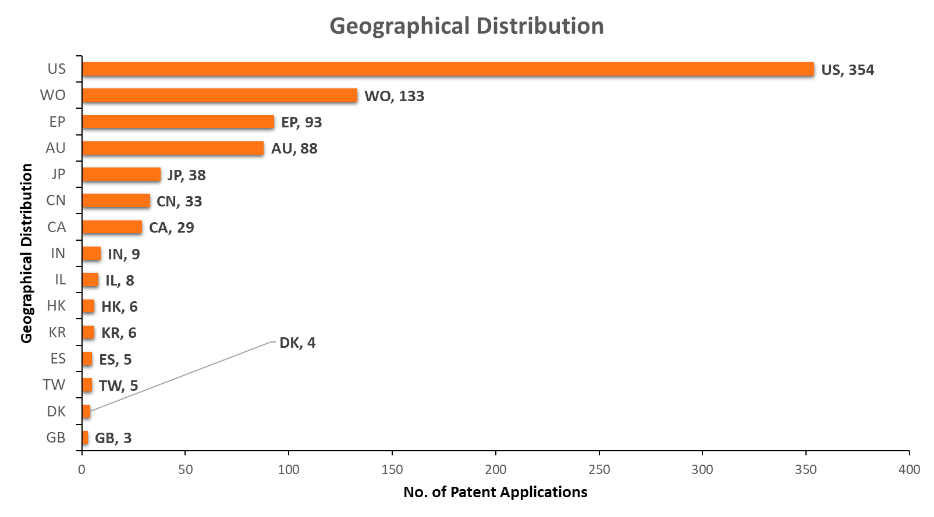
Figure 8 shows the distribution of patents across published countries, providing insight into major R&D locations for Neuromodulation, USA has most patents i.e., 354, followed by EP with 93 patents. The top assignee Boston scientific holds most patents in US Jurisdiction.
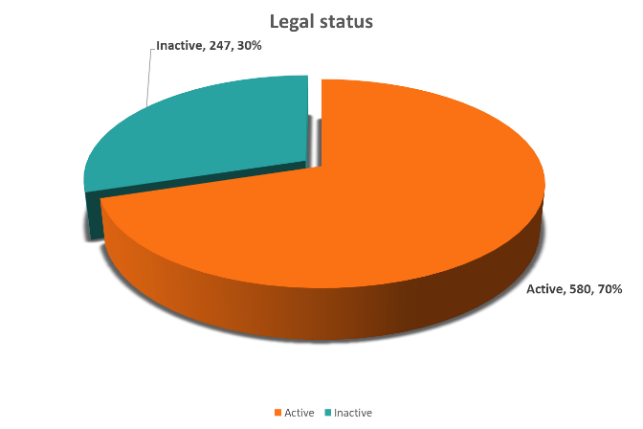
Figure 9 shows a pie chart demonstrating the total number of active and inactive patents, with 580 patents categorized as “Active" and 247 as “Inactive".
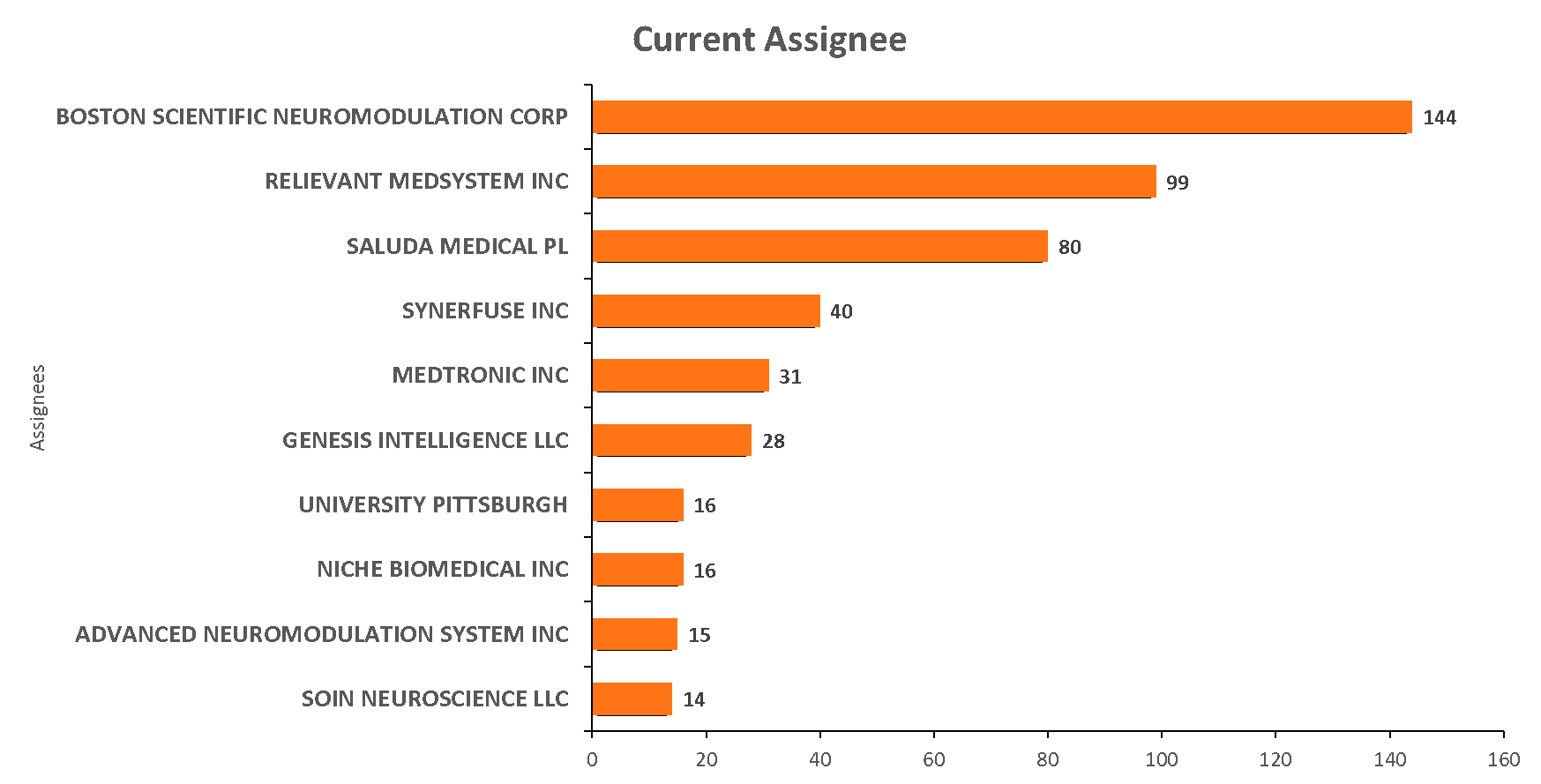
Figure 10 Shows top patent assignees, with the Boston Scientific leading with 144 patents, with focus on generation of Neuromeodulation therapies for treatment of chronic pain disorders. Followed by the Relievant Medsystems Inc with 99 patents.
7. Market and Commercial Outlook
7.1 Regional Market Trends
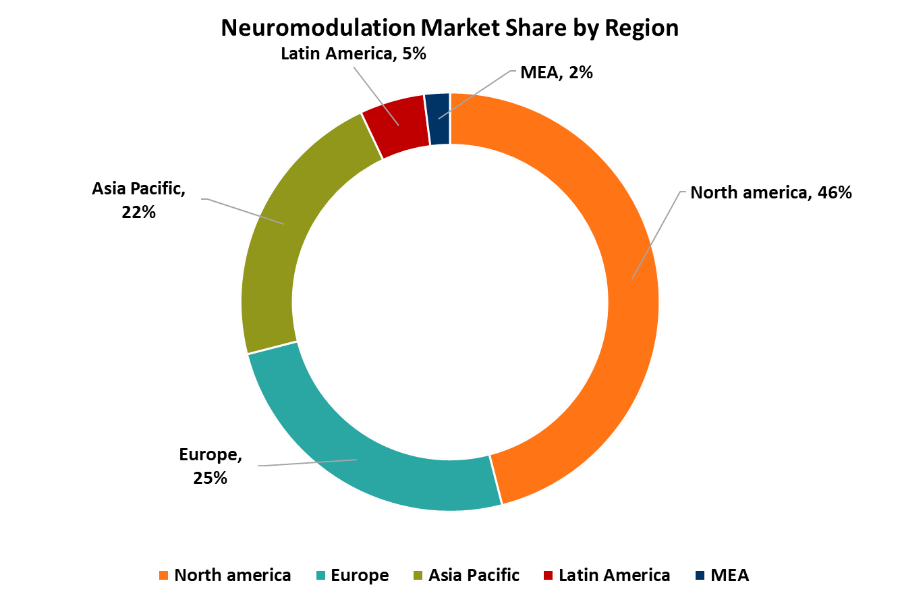
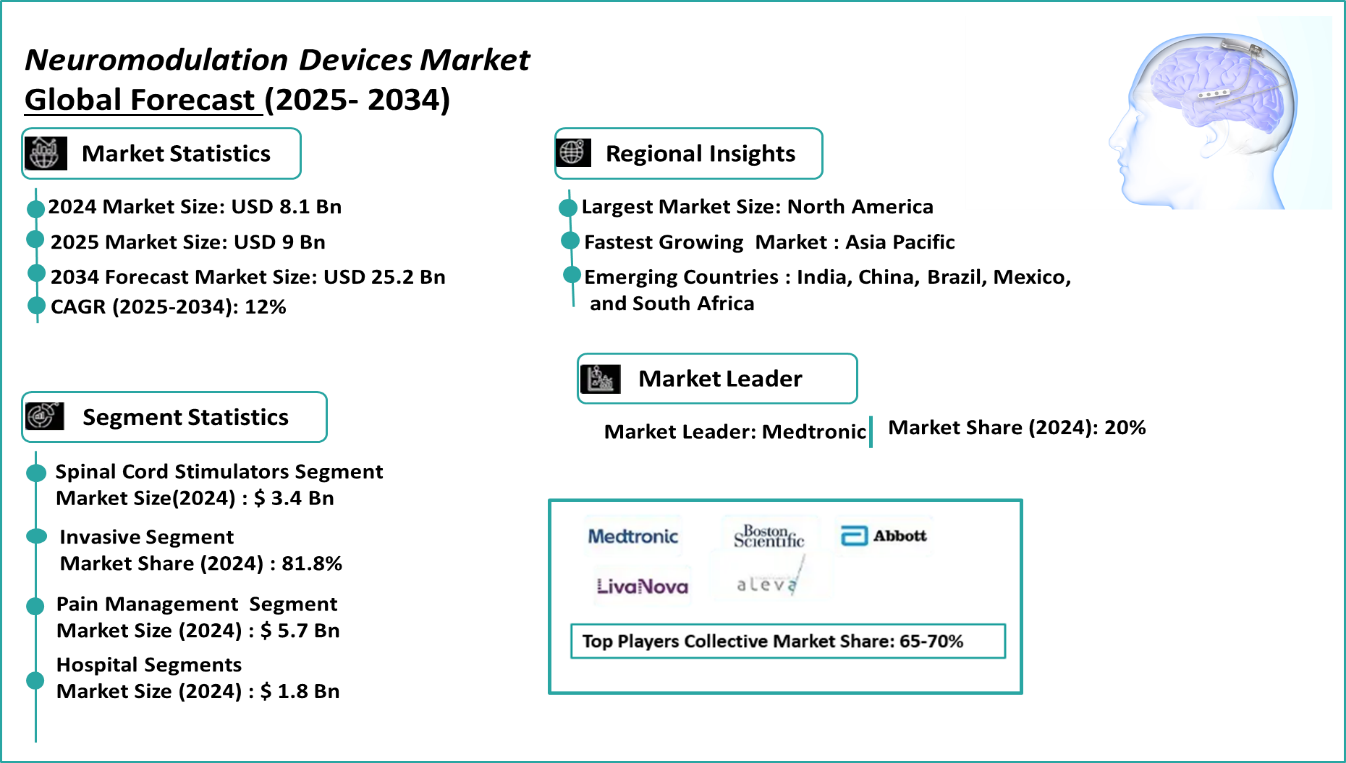
North America leads the neuromodulation market thanks to the high prevalence of chronic pain, Parkinson’s disease, and epilepsy, along with strong adoption by healthcare providers and major medtech players driving R&D. The United States dominates within the region, while Europe follows with growing uptake in Germany, the UK, and France, supported by government investment in neurological research. Asia‑Pacific is the fastest‑growing market, fueled by rising healthcare spending, a larger patient base, and increasing awareness in countries like China, Japan, and India.
7.2 Neuromodulation Devices Market Insights, By Device Type
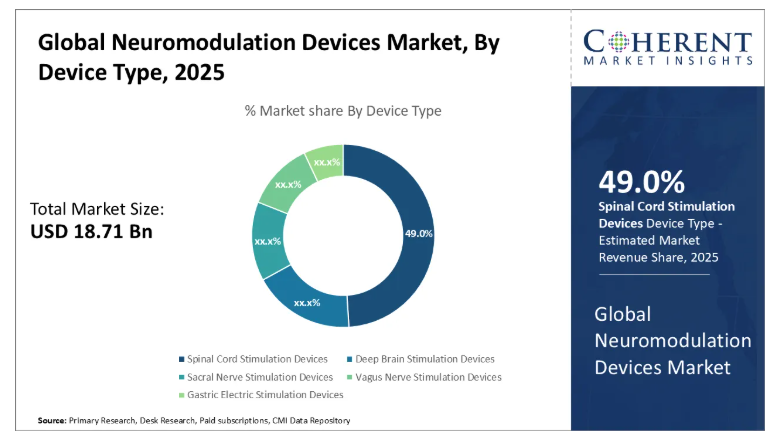
By 2025, spinal cord stimulation devices are expected to be the biggest part of the market, making up about 49%. This is because they’re widely used to treat chronic pain Spinal cord stimulation devices are popular because they are effective in treating conditions like fail back surgery syndrome, complex regional pain syndrome etc. Technological advancement, such as closed-loop system and high frequency stimulation, have further enhanced their efficacy and patient satisfaction. These systems can monitor spinal cord activity in real time and adjust stimulation automatically, which significantly enhancing the effectiveness and safety of neuromodulation therapy.
7.3 Neuromodulation Market Size
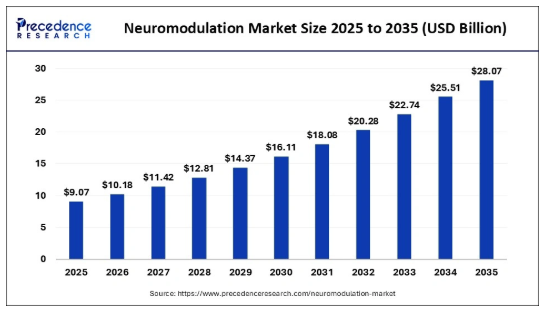
The global neuromodulation market size was calculated at USD 9.07 billion in 2025, and is expected to reach USD 10.18 billion by 2026, and is projected to surpass around USD 28.07 billion by 2035, growing at a CAGR of 11.96% from 2025 to 2034.
8. Future Outlook and Research Directions
Future research should focus on evaluating both short and long‑term outcomes of neuromodulation, its impact on healthcare use, and improving patient selection and treatment protocols. New developments like miniaturized implants, AI‑assisted systems, and wireless connectivity will enable smarter, real‑time adjustments, with the integration of AI and cloud computing make devices more personal and smart. These device adjust itself according to person’s pain patterns and even predict before it starts. Neuromodulation requires significant upfront investment but becomes more cost‑effective over time, supported by expanding insurance coverage. Its success depends on high‑quality placebo‑controlled studies and predictive markers such as psychological, genetic, and neuroimaging to identify those most likely to benefit. With advances in personalized technologies, closed‑loop systems, and deeper neurophysiological insights, neuromodulation is evolving into a central strategy for chronic pain management. These developments promise therapies that are safer, more personalized, and provide lasting relief.
9. Conclusion
Managing chronic pain is changing quickly. New safer and more effective treatments for pain are coming that do not rely solely on opioids, which often cause severe side effects and carry a high risk of addiction. One of the most promising area is neuromodulation, which uses electrical or magnetic stimulation to change how nerves process pain. Examples spinal cord stimulation, dorsal root ganglion stimulation, and peripheral nerve stimulation showing potential for long‑term relief without the risks of opioids. Advances such as closed loop systems, AI driven protocols, and wireless connectivity enable smarter, real time adjustments. With innovations in help identify the right candidates, and expanding insurance coverage makes these therapies more accessible. Neuromodulation is on track to become a standard approach in chronic pain management, bringing safer, more personalized care and lasting relief while easing the burden of opioid misuse.
How Pitch Scientific Supports Innovation in Neuromodulatory Solutions
Pitch Scientific brings deep domain expertise in in understanding the shift from traditional opioid- based pain management toward advanced neuromodulatory solutions. We bring deep domain knowledge across the mechanisms, technologies, and clinical applications that define this transformation. Our focus includes:
Opioid Limitations and Risks:Insight into the historical use of opioids, their analgesic effects, and the challenges of tolerance, dependence, and overdose.
Neuromodulation Technologies:Expertise in spinal cord stimulation (SCS), transcranial magnetic stimulation (TMS), and peripheral nerve stimulation (PNS), including minimally invasive and reversible approaches.
Mechanisms of Action:Understanding how neuromodulation modulates nerve activity, calms overexcited neurons, reduces inflammation, and influences higher brain pathways involved in pain perception.
Clinical Applications:Knowledge of conditions such as neuropathic pain, failed back surgery syndrome, and complex regional pain syndrome, where neuromodulation provides effective alternatives.
With this focused scientific expertise, Pitch Scientific supports informed decision-making around the evolution of chronic pain care by advancing neuromodulatory technologies that deliver safer, longer‑lasting relief.
References
- https://my.clevelandclinic.org/health/diseases/4798-chronic-pain
- https://www.thelancet.com/journals/lanam/article/PIIS2667-193X(23)00131-X/fulltext
- https://theconversation.com/new-treatments-offer-much-needed-hope-for-patients-suffering-from-chronic-pain-216803
- https://bmcmedicine.biomedcentral.com/articles/10.1186/s12916-023-03076-2
- https://www.thelancet.com/journals/lancet/article/PIIS0140-6736(21)00794-7/abstract
- https://pmc.ncbi.nlm.nih.gov/articles/PMC2711509/
- https://wjbphs.com/sites/default/files/WJBPHS-2024-1030.pdf
- https://sci-hub.st/10.1037/a0013628
- https://advancementsinpainmanagement.com/therapeutic-care/intervention-strategies/neuromodulation-role-treating-chronic-neuropathic-pain
- https://pmc.ncbi.nlm.nih.gov/articles/PMC11705683/
- https://pubmed.ncbi.nlm.nih.gov/31453983/
- https://pmc.ncbi.nlm.nih.gov/articles/PMC6391880/
- https://pmc.ncbi.nlm.nih.gov/articles/PMC11995363/
- https://pmc.ncbi.nlm.nih.gov/articles/PMC10227133/
- https://buxpainmanagement.com/5-benefits-of-neurostimulation/
- https://www.neurotherapeuticsjournal.org/article/S1878-7479(24)00057-6/pdf
- https://www.hospitaldelmar.cat/en/unitat-neuromodulacio-dolor/procediments-invasius/
- https://www.gminsights.com/industry-analysis/neurostimulation-devices-market-report
- https://www.globenewswire.com/news-release/2025/09/18/3152559/0/en/Neuromodulation-Market-is-expected-to-generate-a-revenue-of-USD-9-32-Billion-by-2032-Globally-at-9-27-CAGR- Verified-Market-Research.html
- https://www.precedenceresearch.com/neuromodulation-market
- https://www.coherentmarketinsights.com/market-insight/neuromodulation-devices-market- 3861
About Pitch Scientific
Pitch Scientific is a patent research and analytics firm that supports innovation across science, technology and intellectual property. We work closely with research teams, IP professionals and decision-makers to help them navigate complex technical and patent landscapes with clarity and confidence.
With strong experience in patent analytics, prior art research and technology intelligence, Pitch Scientific works with start-ups, research-driven organizations, corporations and law firms across a wide range of technology areas. Our team brings together scientific understanding and practical IP knowledge to deliver insights that are clear, reliable and directly relevant to client needs.
We place emphasis on sound methodologies, flexibility and consistent quality in our work. By focusing on accuracy, transparency and continuous learning, Pitch Scientific strives to create lasting value for clients and the innovations they develop.
Our Capabilities
- Knock Out Search
- Patentability Search
- Freedom to Operate Search
- Invalidation Search
- Patent Infringement Search
- Evidence of Use/Claim Charts
- Evidence of Use/Claim Charts
- Patent Portfolio Analysis
- Literature Watch
- Patent & Technology Landscape
- Technology Scouting
- Technology Scouting
- Market Research